

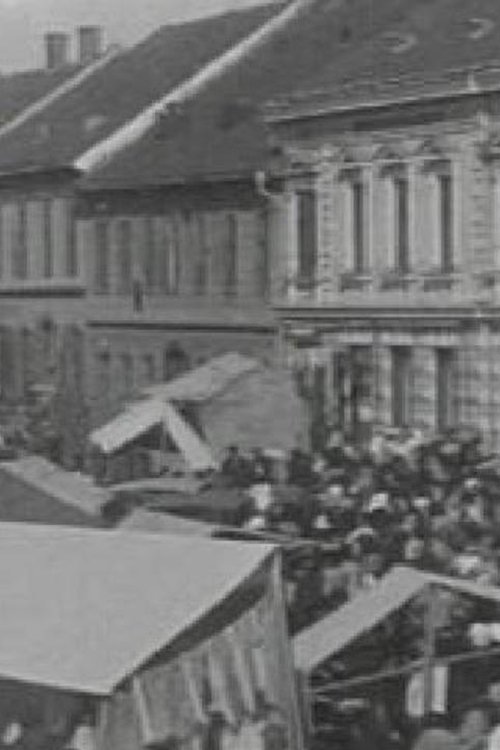
The Ljutomer Fair
Documentary
Overview
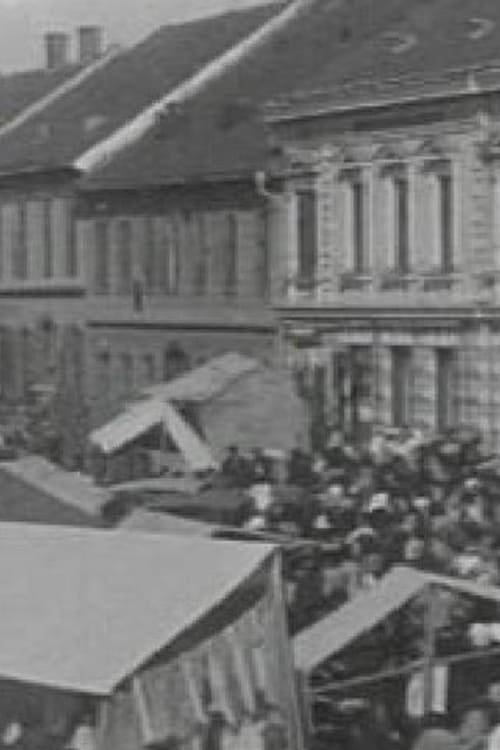
A short film from Slovenia made by Karol Grossmann.



No cast information.
Similar Movies
A day in the city of Berlin, which experienced an industrial boom in the 1920s, and still provides an insight into the living and working conditions at that time. Germany had just recovered a little from the worst consequences of the First World War, the great economic crisis was still a few years away and Hitler was not yet an issue at the time.
A fascinating pictorial document: On an old, cluttered work ship, a man is helped on with a bulky, old fashioned diving suit. It's a complicated process, many layers and sections are carefully applied. He goes over the side. Some men row out to what looks like a wrecked barge and set dynamite. Then the diver returns and now laughs and acknowledges the camera. The other men, now safely away, blow up the barge.

Stunning stories from the unusual life of the Ural owl, a mysterious nocturnal predator that can fearlessly attack even humans. Set over a period of just over a year, 'Fearless Queen of the Night' provides an extraordinary insight into the life of one of the largest European owl species.
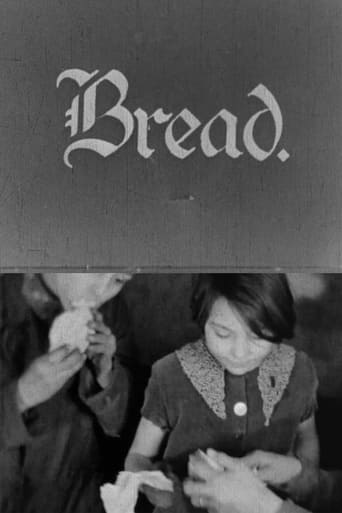
Life on the breadline in the 1930s was hard enough, but times were desperate when you fell beneath it. Hunger marches organised by the National Unemployed Workers' Movement drew attention to the cause, but this left-wing collective picked up a cine-camera. The fictional story at the heart of the film is somewhat melodramatic, but the authentic surroundings give its message realism and weight.
Postwar life of eight remaining inhabitants of Strmec, a village located in the very corner of Slovenian Alps near Italian border. When local partisans killed a German officer, the Nazi occupiers shot all males in the village as an act of revenge; those who remained are seven women of different age who traditionally wear black scarves, and young boy who hasn't any friends to play with.

This documentary shows how the Berliner workers lived in 1930. The director Slatan Dudow shows through images: a) the workers leaving the factory; b) the raise of the rents; c) the "unpleasant" guest, meaning the justice officer that brings the eviction notice; d) the fight of classes of the houses of capitalists and working classes; e) the parks of the working class; f) the houses of the working class, origin of the tuberculosis and the victims; g) the playground of the working class; h) the swimming pool for the working class, ironically called the "Baltic Sea" of the working class; i) the effects of humidity of basement where a family lives, with one member deaf; j) one working class family having dinner while the capitalist baths his dog; k) the eviction notice received from an unemployed family and their eviction.