

Black Scarves
Documentary
Overview
Postwar life of eight remaining inhabitants of Strmec, a village located in the very corner of Slovenian Alps near Italian border. When local partisans killed a German officer, the Nazi occupiers shot all males in the village as an act of revenge; those who remained are seven women of different age who traditionally wear black scarves, and young boy who hasn't any friends to play with.





No cast information.
Similar Movies
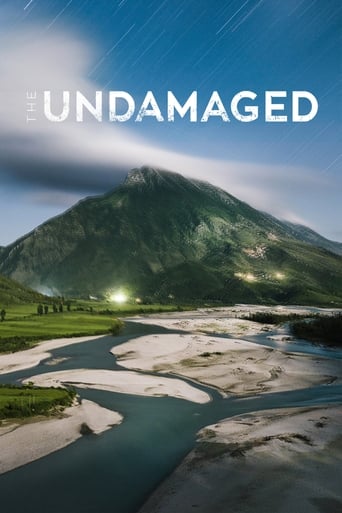
The Balkans cradles Europe's last wild rivers and supports abundant wildlife and healthy, intact ecosystems. These rivers are "The Undamaged" – clean, pristine, and undammed. With over 2,700 small and large hydro power plants planned or under construction in the Balkans, corruption and greed are destroying the last free-flowing rivers of Europe. Follow the Balkan Rivers Tour, a rowdy crew of whitewater kayakers, filmers, photographers and friends who decided to stand up for the rivers, travelling from Slovenia to Albania for 36 days, kayaking 23 rivers in 6 countries to protest the dams and show the world the secret wild rivers of the Balkans. The film honours everyday people and local activists who are fighting to defend rivers and aims to spread the word of the plight of these rivers, showing a new style of nature conservation that is fun, energetic and effective.
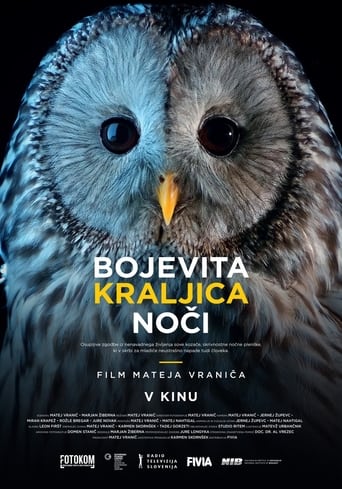
Stunning stories from the unusual life of the Ural owl, a mysterious nocturnal predator that can fearlessly attack even humans. Set over a period of just over a year, 'Fearless Queen of the Night' provides an extraordinary insight into the life of one of the largest European owl species.
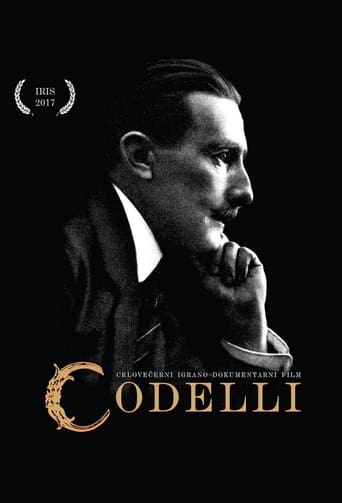
Codelli is a feature-length docudrama about a little-known film project by Slovenian inventor Baron Anton Codelli. Together with filmmaker and adventurer Hans Schomburgk he filmed in Togo in 1914 the first live-action film in Africa, which possibly inspired James Rice Burroughs for his novel on Tarzan. In the company of three Codelli’s descendants and actor Primož Bezjak, we traced the fate of Codelli’s film, brought the remains from Togo and Berlin to Ljubljana and used the Green Screen technology to bring to life 15 live-action scenes based on 600 Codelli’s museum photographs.
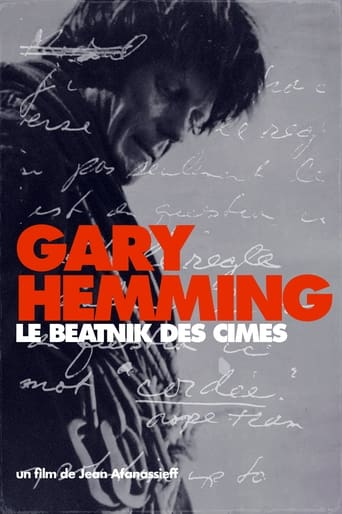
The American mountaineer Gary Hemming marked the era of the 1960s. The story of this "exceptional" character is intimately linked to that of the rescue of the two German mountaineers on the west face of the Drus, in 1966, a rescue which he had took the initiative. While the official emergency services of the EHM try to reach them from above, a pirate rope made up of Gary Hemming, René Desmaison, Lothar Mauch, Gil Bodin, Mike Brurke, François Guillot, the filmmaker Gérard Bauer organizes to join them from below and succeeded after a fierce struggle the rescue. The press seizes the event and elevates Gary Hemming to the rank of national hero. All the newspapers feature this big guy with a cool attitude, mismatched clothes, jovial smile and long blond hair on the front page. From then on, he was nicknamed: "the beatnik of the peaks".