

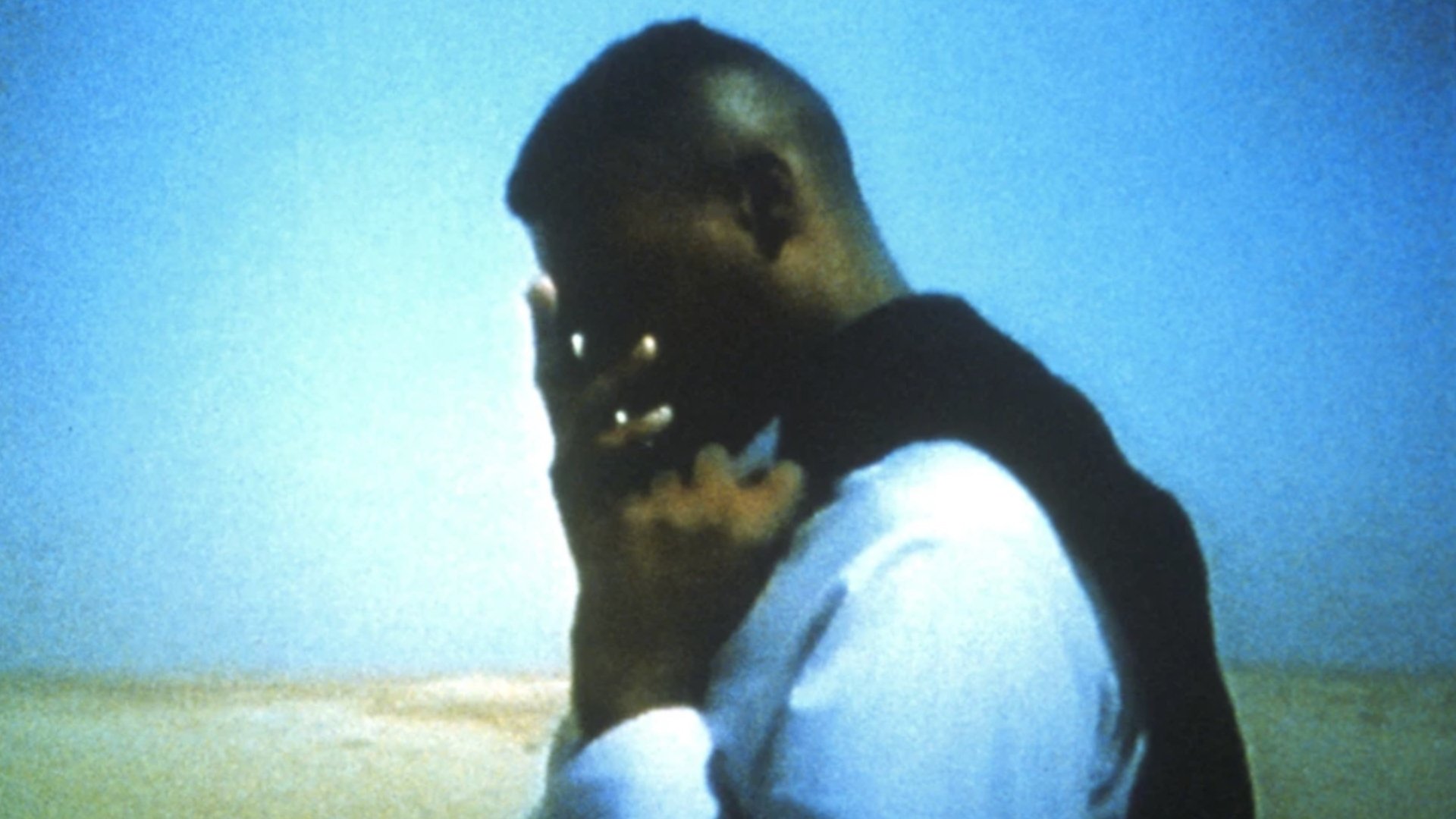
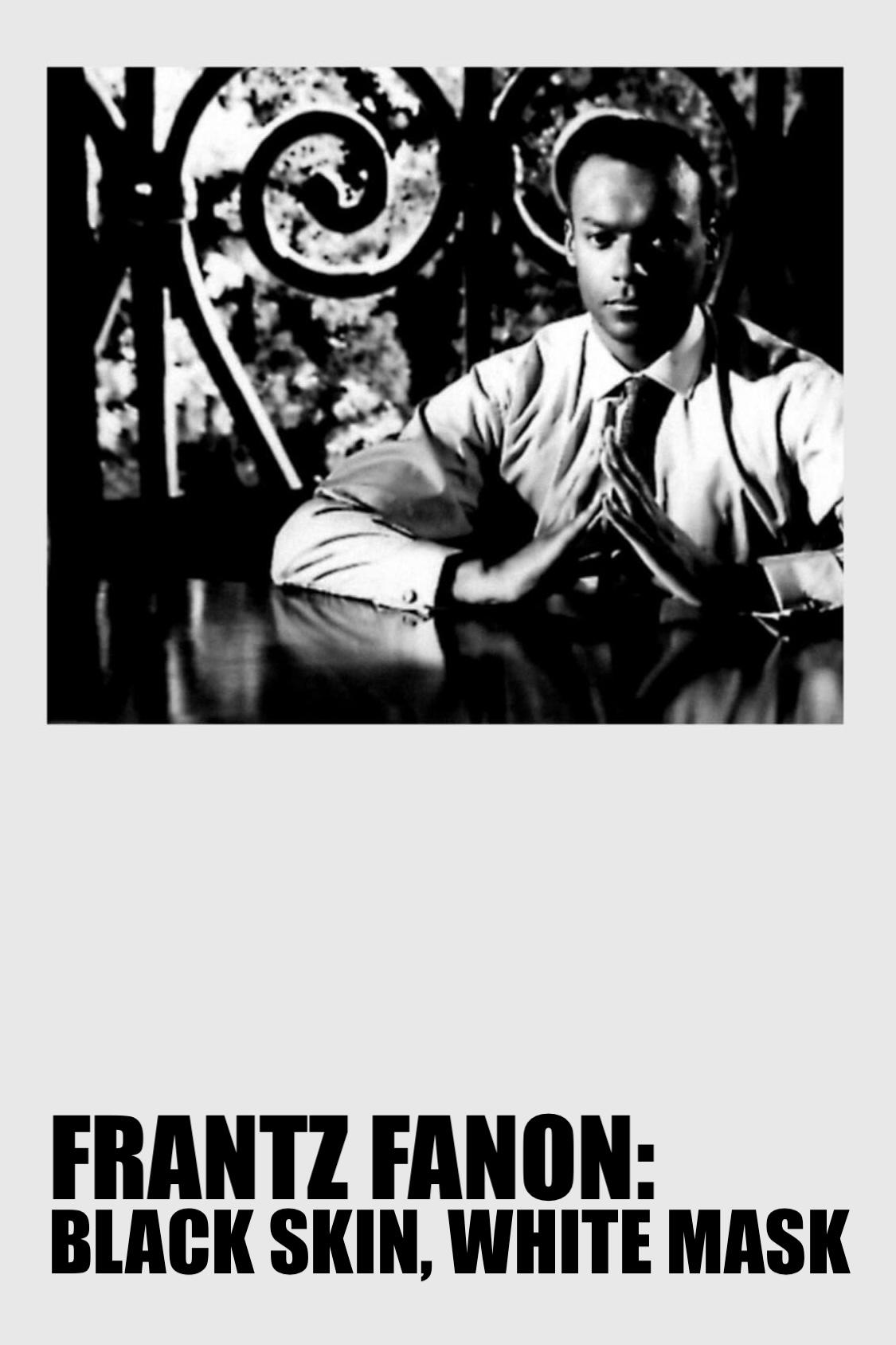
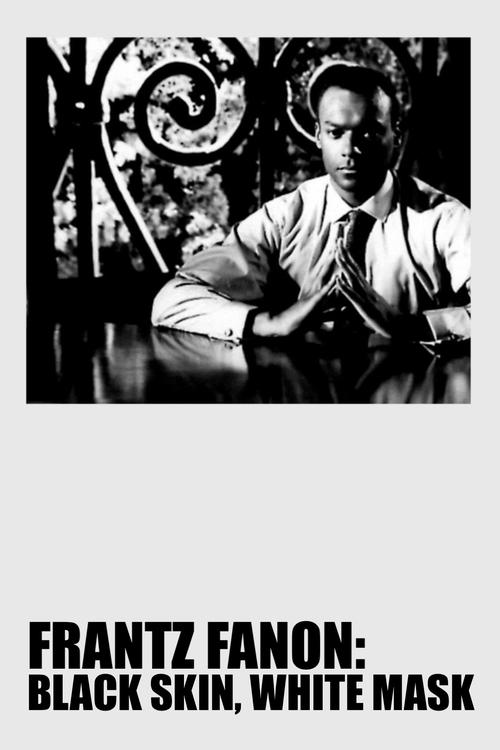
Frantz Fanon: Black Skin, White Mask
Documentary · Drama
Overview
Explores the life and work of the psychoanalytic theorist and activist Frantz Fanon who was born in Martinique, educated in Paris and worked in Algeria. Examines Fanon's theories of identity and race, and traces his involvement in the anti-colonial struggle in Algeria and throughout the world.
Top Cast

Colin Salmon
Frantz Fanon
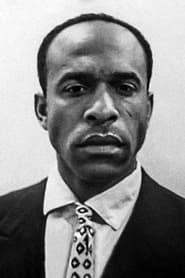
Frantz Fanon
Self (Archive footage)
Mohammed Harbi
Self
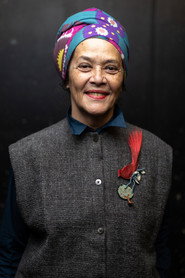
Françoise Vergès
Herself
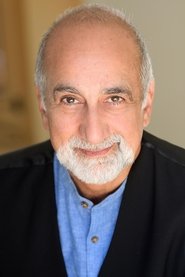
Amir M. Korangy
Male Nurse

Al Nedjari
Algerian Patient
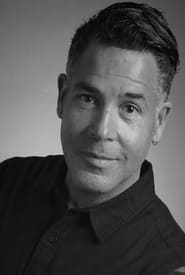
Joey Attawia
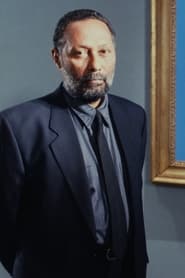
Stuart Hall
Himself
Halima Daoud
Woman in the Marquis
Noirin Ni Dubhgaill
Fanon's Companion
Rachida Rahal
Woman in the Marquis
Ana Ramalho
French Woman


Colin Salmon
Colin Salmon
Frantz Fanon
Colin Salmon
Frantz Fanon
Frantz Fanon
Frantz Fanon
Self (Archive footage)
Frantz Fanon
Self (Archive footage)
Mohammed Harbi
Mohammed Harbi
Self
Mohammed Harbi
Self
Françoise Vergès
Françoise Vergès
Herself
Françoise Vergès
Herself
Amir M. Korangy
Amir M. Korangy
Male Nurse
Amir M. Korangy
Male Nurse
Al Nedjari
Al Nedjari
Algerian Patient
Al Nedjari
Algerian Patient
Joey Attawia
Joey Attawia
Joey Attawia
Stuart Hall
Stuart Hall
Himself
Stuart Hall
Himself
Halima Daoud
Halima Daoud
Woman in the Marquis
Halima Daoud
Woman in the Marquis
Noirin Ni Dubhgaill
Noirin Ni Dubhgaill
Fanon's Companion
Noirin Ni Dubhgaill
Fanon's Companion
Similar Movies
This excellent feature-length documentary - the story of the imperialist colonization of Africa - is a film about death. Its most shocking sequences derive from the captured French film archives in Algeria containing - unbelievably - masses of French-shot documentary footage of their tortures, massacres and executions of Algerians. The real death of children, passers-by, resistance fighters, one after the other, becomes unbearable. Rather than be blatant propaganda, the film convinces entirely by its visual evidence, constituting an object lesson for revolutionary cinema.
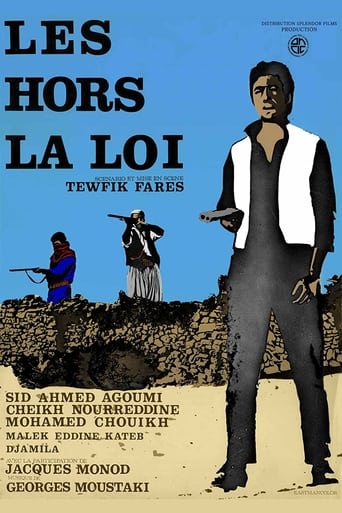
In prison in colonial Algeria, shortly after the end of the Second World War, three indigenous cellmates make out. Once free, they attack the authority represented by the triad of the boss, the gendarme and the administrator. “Living the colonial condition,” confided Tewfik Farès, “is something! It’s not sociologically or historically speaking. It’s life. And I think that’s all there in it. [...] For a hundred and thirty years, we wait. We hold back. We push back. We hope. At the same time, on different occasions, there are skirmishes, unrest.
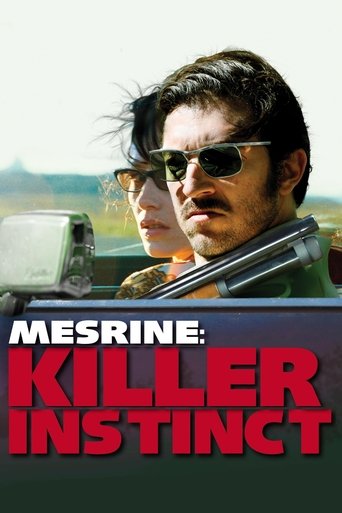
Jacques Mesrine, a loyal son and dedicated soldier, is back home and living with his parents after serving in the Algerian War. Soon he is seduced by the neon glamour of sixties Paris and the easy money it presents. Mentored by Guido, Mesrine turns his back on middle class law-abiding and soon moves swiftly up the criminal ladder.

Djamila, a young Algerian woman living with her brother Hadi and her uncle Mustafa in the Casbah district of Algiers under the French occupation of Algeria, sees the full extent of injustice, tyranny and cruelty on his compatriots by French soldiers. Jamila's nationalist spirit will be strengthened when French forces invade her university to arrest her classmate Amina who commits suicide by ingesting poison. Shortly after the prominent Algerian guerrilla leader Youssef takes refuge with her, she realizes that her uncle Mustafa is part of this network of anti-colonial rebel fighters. Her uncle linked her to the National Liberation Front (FLN). A series of events illustrate Jamila's participation in resistance operations against the occupier before she was finally captured and tortured. Finally, despite the efforts of her French lawyer, Jamila is sentenced to death...
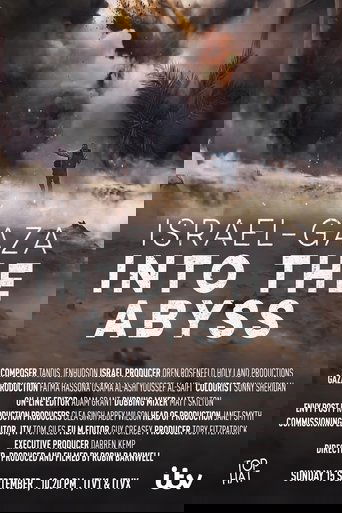
This deeply affecting documentary follows a small number of Israelis and Gazans through the most dramatic and tragic year of their lives. Using personal and previously unseen footage, it tells the story of the war in Gaza and the October 7 attacks through deeply emotional stories from both sides of the conflict. In Gaza, the film follows three individuals from reaction to the October 7th attacks to the start of the bombing by the Israeli military and to the loss of family members that all three suffer. In Israel, we witness footage of the Israeli characters, as they and their family members are attacked by Hamas on October 7th and then follow their stories through the year.

In 1958 in Paris, during the Algerian War, a young trainee lawyer, Maître Chabrier, was assigned to defend an Algerian garbage collector against paratroopers who had beaten him. Stay out of Algerian affairs, his peers advise him because the trial is taking a political turn. Chabrier acquired the reputation of the Fellaghas' lawyer.

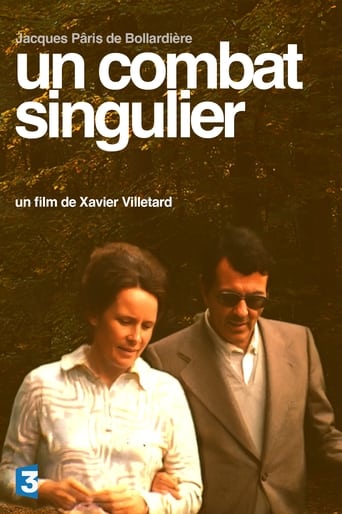
The exceptional portrait of a pacifist general, the only senior officer to have spoken out against torture. This precious testimony still remains censored in France, since no national channel has to date decided to program this documentary. Son and brother of a soldier, General Pâris de Bollardière was destined for a career in arms. He was, for many years, one of the most brilliant representatives of this adventurer career in France, from Narvik to the Algerian War. After fighting in the French maquis, he reached Indochina, where he suddenly found himself in the aggressor's camps. His beliefs are strongly shaken. But it is in Algeria, where the French army practices torture and summary executions, that he takes the big turn. He expresses his contempt to Massu, and is relieved of his command. Until his death in 1986, Jacques de Bollardière fought for world peace, from the Larzac plateaus to the Mururoa atolls.