

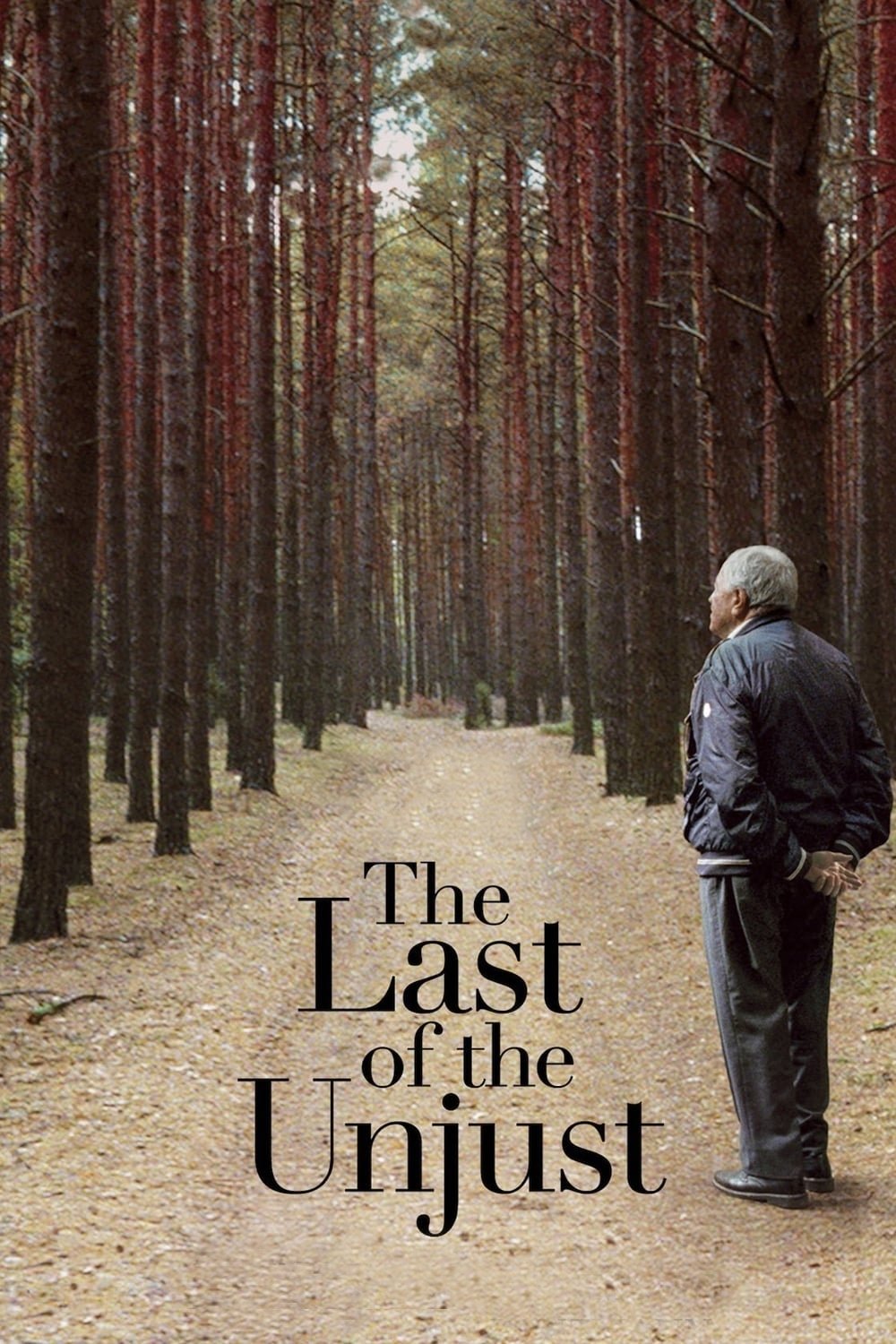
The Last of the Unjust
Documentary
Overview
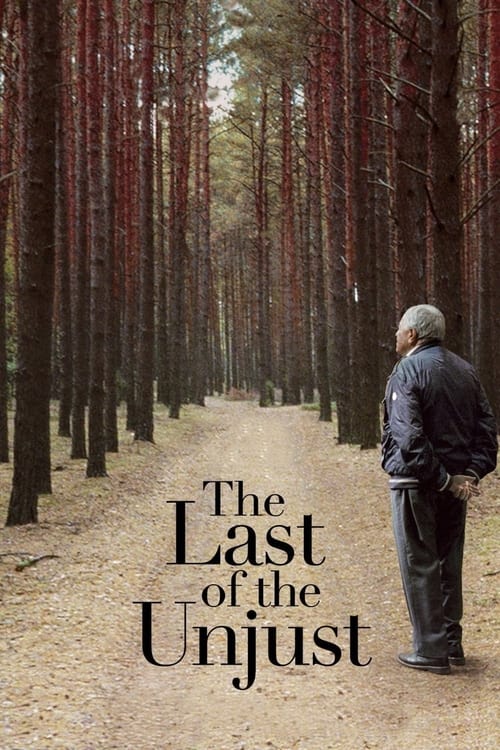
A place: Theresienstadt. A unique place of propaganda which Adolf Eichmann called the "model ghetto", designed to mislead the world and Jewish people regarding its real nature, to be the last step before the gas chamber. A man: Benjamin Murmelstein, last president of the Theresienstadt Jewish Council, a fallen hero condemned to exile, who was forced to negotiate day after day from 1938 until the end of the war with Eichmann, to whose trial Murmelstein wasn't even called to testify. Even though he was without a doubt the one who knew the Nazi executioner best. More than twenty-five years after Shoah, Claude Lanzmann's new film reveals a little-known yet fundamental aspect of the Holocaust, and sheds light on the origins of the "Final Solution" like never before.


Benjamin Murmelstein
Benjamin Murmelstein
Self
Benjamin Murmelstein
Self
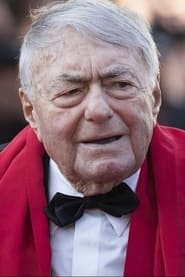
Claude Lanzmann
Claude Lanzmann
Self - Interviewer
Claude Lanzmann
Self - Interviewer
Similar Movies
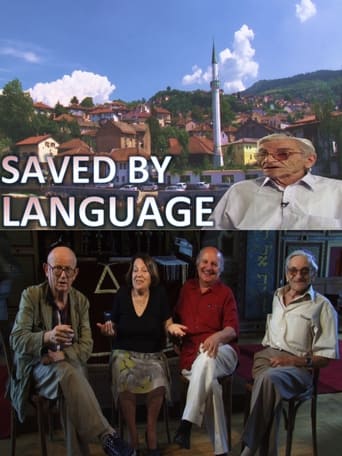
Can a language save your life? Yes it can, even an ancient one from the 15th century. Saved by Language tells the story of Moris Albahari, a Sephardic Jew from Sarajevo (born 1930), who spoke Ladino/Judeo-Spanish, his mother tongue, to survive the Holocaust. Moris used Ladino to communicate with an Italian Colonel who helped him escape to a Partizan refuge after he ran away from the train taking Yugoslavian Jews to Nazi death camps. By speaking in Ladino to a Spanish-speaking US pilot in 1944 he was able to survive and lead the pilot, along with his American and British colleagues, to a safe Partizan airport.

Between 1942 and 1944 some 24,916 Jews were deported from Belgium to Auschwitz. The roundups and deportations were organized and carried out by the Nazis with the - not always conscious - cooperation of Belgian authorities. The attitude of the authorities here varied from outright resistance to voluntary or unwitting collaboration.
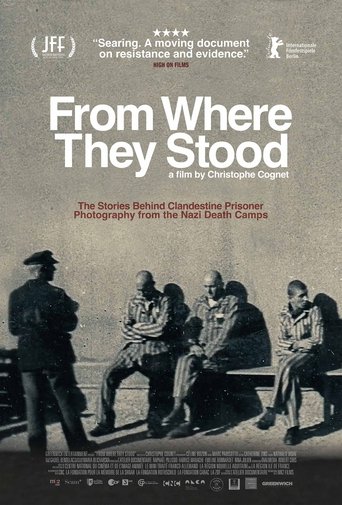
A handful of prisoners in WWII camps risked their lives to take clandestine photographs and document the hell the Nazis were hiding from the world. In the vestiges of the camps, director Christophe Cognet retraces the footsteps of these courageous men and women in a quest to unearth the circumstances and the stories behind their photographs, composing as such an archeology of images as acts of defiance.
When the lights dim and the stage is revealed, Meschke channels life through the strings of his puppets, triggering the spiritual connection between the creator and his alter-egos: the charismatic Don Quixote, the loving Penelope, the inquisitive Baptiste, or the mysterious Antigone. THE MAN WHO MADE ANGELS FLY is a poetic story about a master of his craft that has inspired audiences to reflect upon common issues of suffering and the mortal coil. Visionary and un-biographic, imaginary tribute to the puppeteer.
1981: for the first time, contemporary witnesses of the Holocaust speak on German television in the two-part documentary "Witnesses - Testimonies to the Murder of a People" - at prime time on the first channel. Only 36 years after the Second World War, Bremen filmmaker Karl Fruchtmann has created a counter-design to the US drama series "Holocaust". While there are hardly any people left today who can personally recount their experiences of the Holocaust, there were still many contemporary witnesses in the early 1980s for whom the murder of the European Jews was still very present. Karl Fruchtmann interviewed 60 survivors of the Nazi concentration camps in Israel and Poland, the tapes are in the archives of Radio Bremen, almost 80 hours of interviews, a historical legacy! Only a small part of them has been published so far.
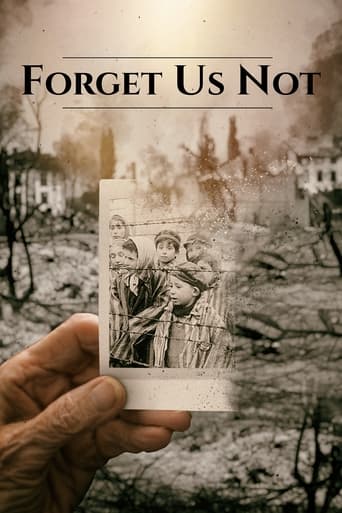
An in depth look at the persecution and subsequent death of the 5 million non Jewish victims of the World War II Holocaust and the lives of those who survived. Through stories of survivors and historical footage, these lesser known voices are brought to life. From the Roma and Sinti people who were also targeted for complete annihilation to the thousands of Catholic Priests who were killed for speaking out, Forget Us Not strives to educate and give tribute to those who were killed for their religion, ethnicity, political views, sexual orientation and physical handicaps.
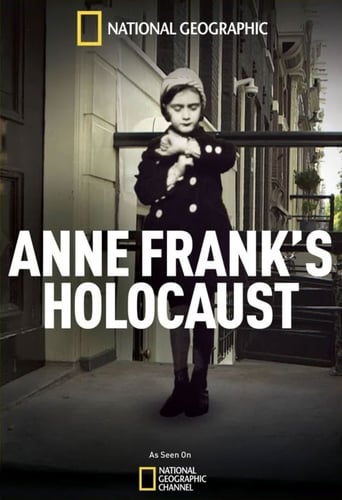
Anne Frank's world famous diary came to an abrupt end shortly before she and her family were discovered hiding from the Nazis in a secret annex at the top of Otto Frank's office building, on August 4, 1944. While her diary tells the story of Anne's life, the story of her death reveals the atrocities encountered by millions of Jews during the Holocaust. In a solemn remembrance of the horrors that Anne Frank and these millions of others suffered during the dark days of World War II, National Geographic Channel (NGC) takes viewers inside the concentration camps in a two-hour special. In keeping with NGC's tradition of unparalleled storytelling, Anne Frank's Holocaust incorporates new findings and rarely seen photographs to reintroduce the story of the massacre of Jews in one of the most comprehensive documentaries on the subject to date.
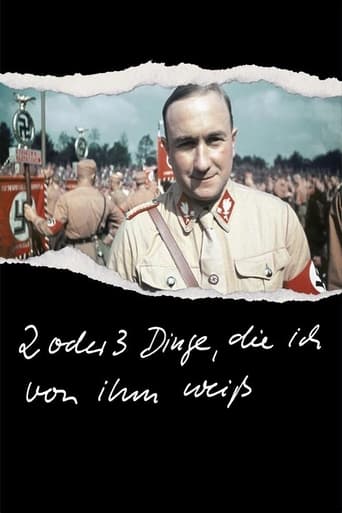
What would your family reminiscences about dad sound like if he had been an early supporter of Hitler’s, a leader of the notorious SA and the Third Reich’s minister in charge of Slovakia, including its Final Solution? Executed as a war criminal in 1947, Hanns Ludin left behind a grieving widow and six young children, the youngest of whom became a filmmaker. It's a fascinating, maddening, sometimes even humorous look at what the director calls "a typical German story." (Film Forum)