

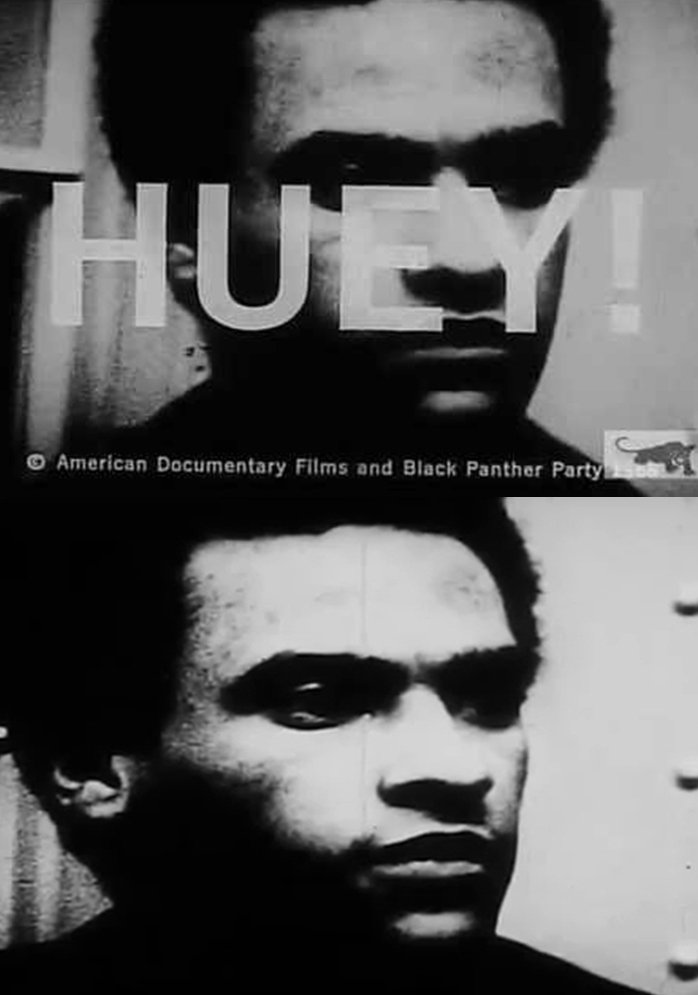
Huey!
Documentary
Overview
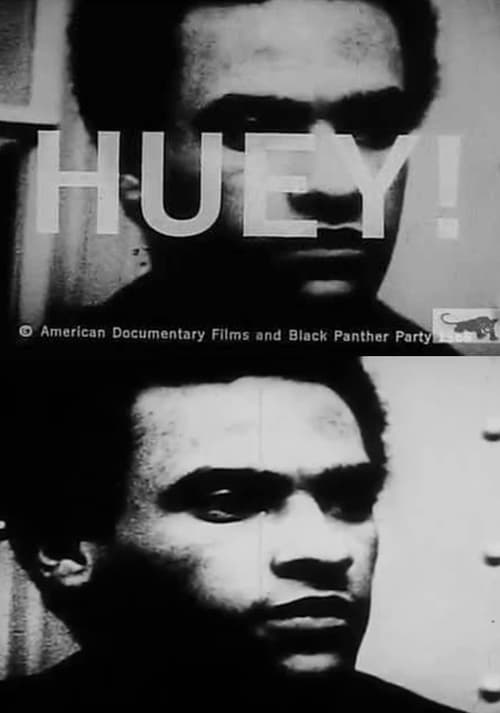
Documentary film produced by American Documentary Films and the Black Panther Party from 1968, honoring Huey P. Newton's struggle for African American civil rights, advocating for his release from jail and addressing issues of racism in American society. Features scenes from the funeral of Bobby Hutton and the Huey P. Newton Birthday Rally in the Oakland Auditorium on February 17th 1968, with speeches by: Bobby Seale (who explains the Black Panther Party's 10 Point Program in detail); Ron Dellums; James Foreman; Charles R. Garry; Eldridge Cleaver; Bob Avakian; H. Rap Brown and Stokely Carmichael. Also includes views of police officers showing the weapons and armor they carry in patrol cars and of African Americans discussing racism in American society. This film was scripted and directed by Sally Pugh.





Huey P. Newton
Huey P. Newton
Huey P. Newton
Bobby Seale
Bobby Seale
Bobby Seale
Kwame Ture
Kwame Ture
Kwame Ture
Similar Movies
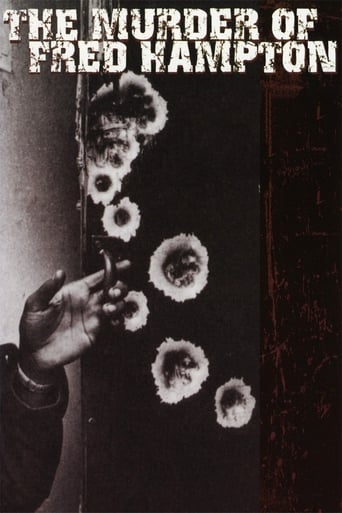
Hear the inside story of Huey Newton and the Black Panthers with this documentary that examines their efforts to promote the rights of African Americans as well as the organization's violent tactics, including the killing of a police officer. The film features a rare jailhouse interview with Newton discussing the role of revolution and civil disobedience, plus footage of several Panthers' bullet-riddled homes following police raids.
Chicago 1969: Activists from the Black Panthers, Young Lords, and Young Patriots united African Americans, Latinos, and poor whites to confront police brutality and unfair housing practices in one of America’s most segregated cities. A timely story of collective action, The First Rainbow Coalition tells this little-known chronicle of political struggle with insight and urgency using archival footage and interviews with those who lived it.
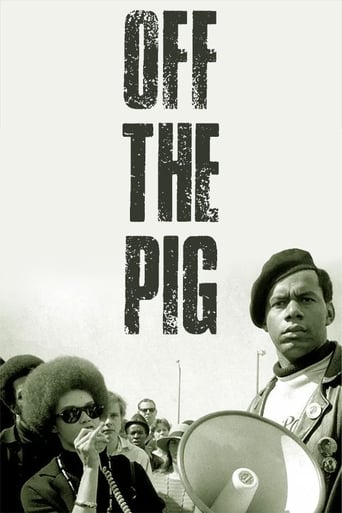
A compelling document of the Black Panther Party leadership in 1967. This film contains a prison interview with Minister of Defense Huey P. Newton as well as an interview with Minister of Information Eldridge Cleaver, footage of the aftermath of the police assault against the Los Angeles Chapter headquarters, demonstrations to free Huey at Hutton Memorial Park and the Alameda County Court House and a recitation of the party's Ten-Point Platform by co-founder Bobby Seale. Newsreel's 19th, and one of their most widely distributed films, it was originally released as "Off the Pig," but has since seen release under the name Black Panther. This short film features drawings from activist artist Emory Douglas.
Festival panafricain d'Alger is a documentary by William Klein of the music and dance festival held 40 years ago in the streets and in venues all across Algiers. Klein follows the preparations, the rehearsals, the concerts… He blends images of interviews made to writers and advocates of the freedom movements with stock images, thus allowing him to touch on such matters as colonialism, neocolonialism, colonial exploitation, the struggles and battles of the revolutionary movements for Independence.
The story of how Dr. Mutulu Shakur, stepfather of Tupac Shakur, along with the Black Panthers and the Young Lords, combined community health with radical politics to create the first acupuncture detoxification program in America in 1973 — a visionary project eventually deemed too dangerous to exist in America.
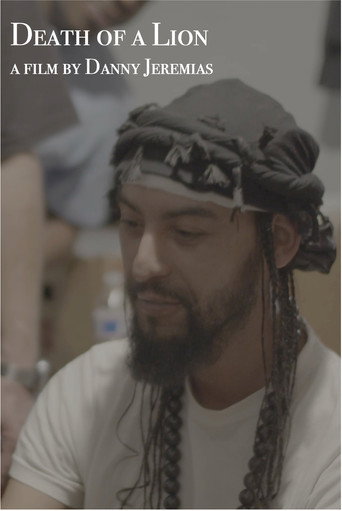
A former leader in the Black Lion Party for International Solidarity shares his story of found family, loss, and transcendence. Shot over the course of two months, this short documentary provides a glimpse into the dynamics of modern American revolutionary movements. Jeremias' film captures a very brief, but important period of transition for the Black Panther Party in the 2020s.
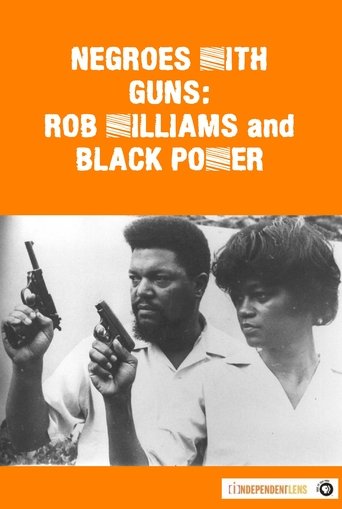
Rob Williams was an African-American living in Monroe, North Carolina in the 1950s and 1960s. Living with injustice and oppression, many African-Americans advocated a non-violent resistance. Williams took a different tack, urging the oppressed to take up arms. Williams was stripped of his rank as leader of the local NAACP chapter, but he continued to encourage local African-Americans to carry weapons as a means of self-defense. Wanted on a kidnapping charge, Williams and his wife fled to Cuba. His radio show Radio Free Dixie could be heard in some parts of the United States.