


Documentary · History
Overview
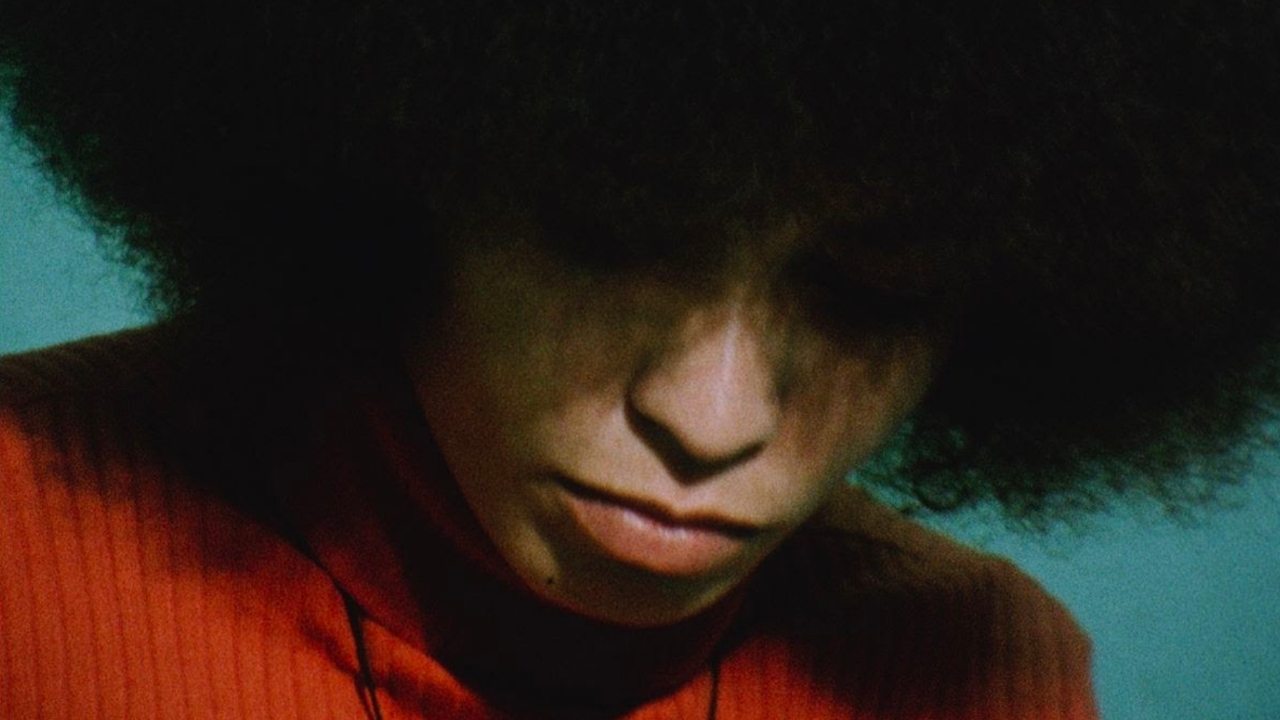
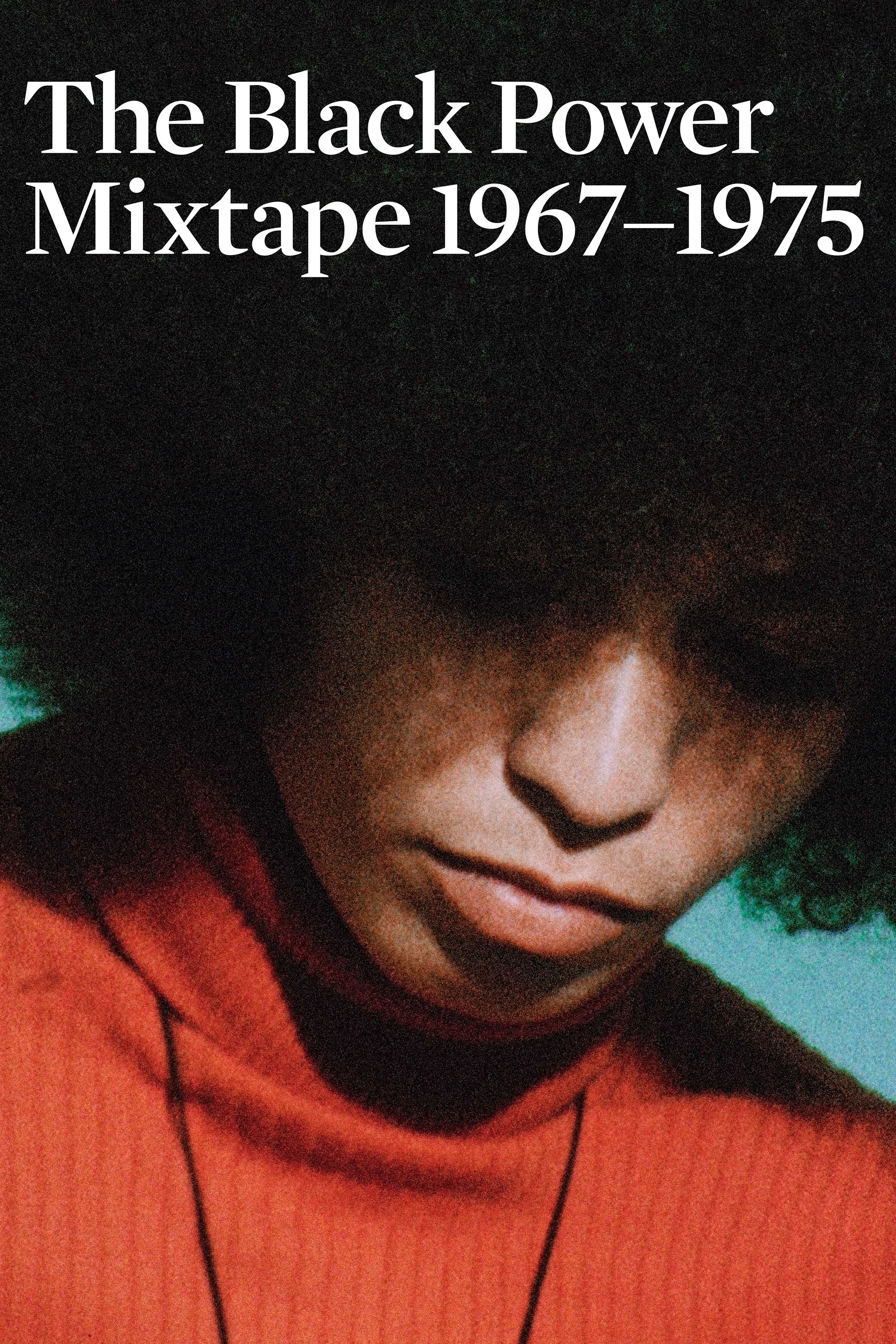
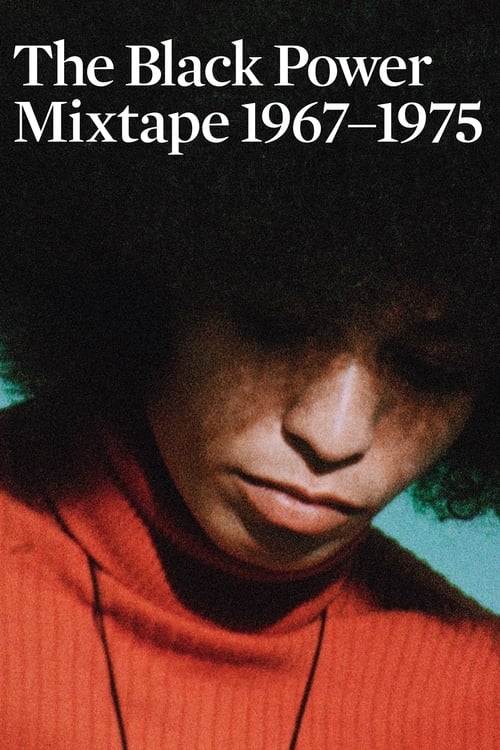
Examines the evolution of the Black Power Movement in US society from 1967 to 1975. It features footage of the movement shot by Swedish journalists in the United States during that period and includes the appearances of Angela Davis, Bobby Seale, Huey P. Newton, Eldridge Cleaver, and other activists, artists, and leaders central to the movement.
Top Cast
Abiodun Oyewole
Self (voice)
Talib Kweli
Self (voice)
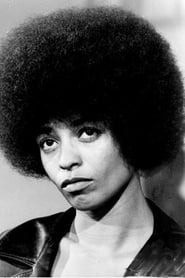
Angela Davis
Self (voice)
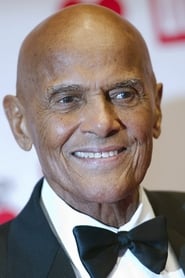
Harry Belafonte
Self (voice)
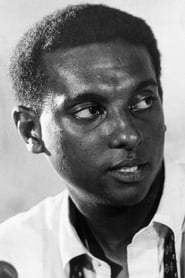
Kwame Ture
Self (archive footage)

Erykah Badu
Self (voice)
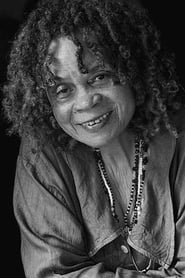
Sonia Sánchez
Self (voice)
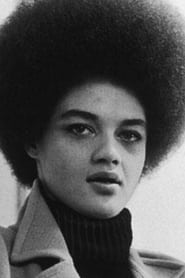
Kathleen Cleaver
Self (voice)
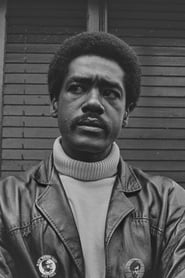
Bobby Seale
Self (voice)
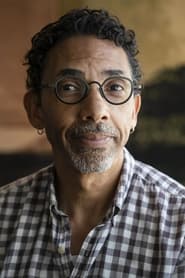
Robin Kelley
Self (voice)
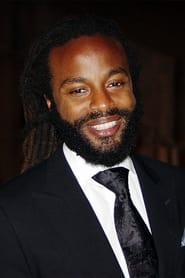
John Forte
Self (voice)
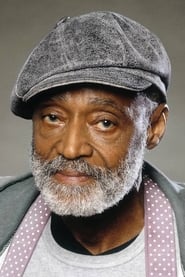
Melvin Van Peebles
Self (voice)



Abiodun Oyewole
Abiodun Oyewole
Self (voice)
Abiodun Oyewole
Self (voice)
Talib Kweli
Talib Kweli
Self (voice)
Talib Kweli
Self (voice)
Angela Davis
Angela Davis
Self (voice)
Angela Davis
Self (voice)
Harry Belafonte
Harry Belafonte
Self (voice)
Harry Belafonte
Self (voice)
Kwame Ture
Kwame Ture
Self (archive footage)
Kwame Ture
Self (archive footage)
Erykah Badu
Erykah Badu
Self (voice)
Erykah Badu
Self (voice)
Sonia Sánchez
Sonia Sánchez
Self (voice)
Sonia Sánchez
Self (voice)
Kathleen Cleaver
Kathleen Cleaver
Self (voice)
Kathleen Cleaver
Self (voice)
Bobby Seale
Bobby Seale
Self (voice)
Bobby Seale
Self (voice)
Robin Kelley
Robin Kelley
Self (voice)
Robin Kelley
Self (voice)
Similar Movies
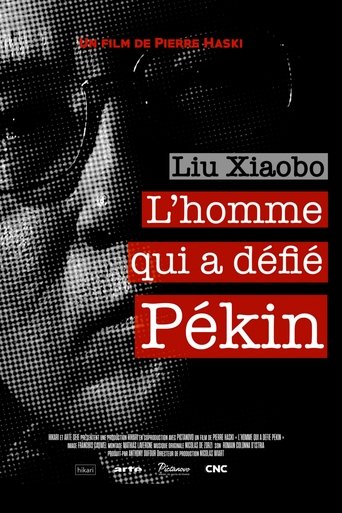
A portrait of Chinese writer Liu Xiaobo (1955-2017), a witness of the Tiananmen Square massacre (1989), a dissident, a woodpecker who tirelessly pecked the putrid brain of the Communist regime for decades, demanding democracy loudly and fearlessly. Silenced, arrested, convicted, imprisoned, dead. Nobel Peace Prize winner in 2010, alive forever. These are his last words.
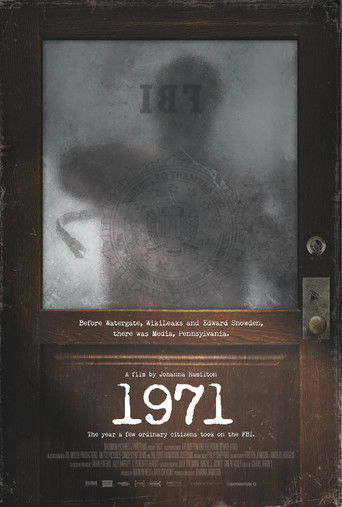
Forty years before WikiLeaks and the NSA scandal, there was Media, Pennsylvania. In 1971, eight activists plotted an intricate break-in to the local FBI offices to leak stolen documents and expose the illegal surveillance of ordinary Americans in an era of anti-war activism. In this riveting heist story, the perpetrators reveal themselves for the first time, reflecting on their actions and raising broader questions surrounding security leaks in activism today.

For seven years, award-winning Chinese-American filmmaker Nanfu Wang follows Rosa María Payá, daughter of the five time Nobel Peace Prize nominated activist, Oswaldo Payá, in Rosa's fight for democratic change in Cuba. Rosa's narrative is interwoven with Wang's poignant reflections on her Chinese upbringing and her observations of eroding democratic norms in the U.S., revealing unsettling similarities to the authoritarian system she left behind.

Festival panafricain d'Alger is a documentary by William Klein of the music and dance festival held 40 years ago in the streets and in venues all across Algiers. Klein follows the preparations, the rehearsals, the concerts… He blends images of interviews made to writers and advocates of the freedom movements with stock images, thus allowing him to touch on such matters as colonialism, neocolonialism, colonial exploitation, the struggles and battles of the revolutionary movements for Independence.
In the panorama of Kurdish music, Koma Berxwedan (Group Resistance) is one of the most interesting, innovative, experimental groups. To a deep love for music research the group has always associated a strong political commitment. Some of its members have joined the PKK guerrillas in the mountains of Kurdistan. Three of them died in combat. Some have been forced to live in exile and others continued to challenge the Turkish authorities by carrying out their work in Kurdistan.
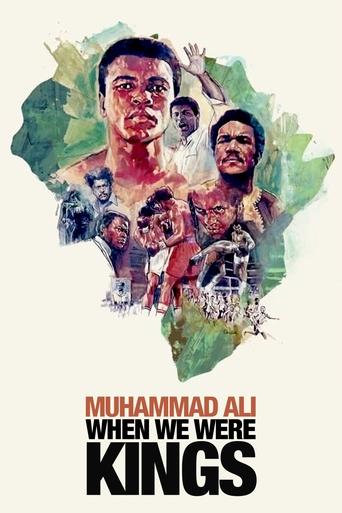
It's 1974. Muhammad Ali is 32 and thought by many to be past his prime. George Foreman is ten years younger and the heavyweight champion of the world. Promoter Don King wants to make a name for himself and offers both fighters five million dollars apiece to fight one another, and when they accept, King has only to come up with the money. He finds a willing backer in Mobutu Sese Suko, the dictator of Zaire, and the "Rumble in the Jungle" is set, including a musical festival featuring some of America's top black performers, like James Brown and B.B. King.
Obsessively referring to the traumas and wounds that the Spanish civil war (1936-39) and Franco's dictatorship (1939-75) caused in their day no longer serves to explain the impassable abyss of incomprehension and hatred that the abject policies and radical positions adopted by both the right and the left in recent decades have opened up before the citizens of a country that is barely known beyond hackneyed cultural clichés.

Paul Robeson was a celebrated African-American Actor, Athlete, Singer, Writer, and Civil Rights Activist. Robeson's many achievements are chronicled in this program, ranging from playing with the NFL to graduating from Columbia Law School, performing on Broadway and in Hollywood films to founding the American Crusade against Lynching as well as Council on African Affairs. Robeson was one of the most talented performers of his time and a dedicated humanitarian who ultimately sacrificed fame and fortune for what he believed in. His association with Leftist Politics during the era of the Cold War, and frequent denouncing of American political parties led to his eventual blacklisting with other prominent writers and artists during the McCarthy Era. His talents in all areas are remarkable, and his dedication to attaining a peaceful coexistence between all the people of the world is truly admirable.
Since the late 18th century American legal decision that the business corporation organizational model is legally a person, it has become a dominant economic, political and social force around the globe. This film takes an in-depth psychological examination of the organization model through various case studies. What the study illustrates is that in the its behaviour, this type of "person" typically acts like a dangerously destructive psychopath without conscience. Furthermore, we see the profound threat this psychopath has for our world and our future, but also how the people with courage, intelligence and determination can do to stop it.