

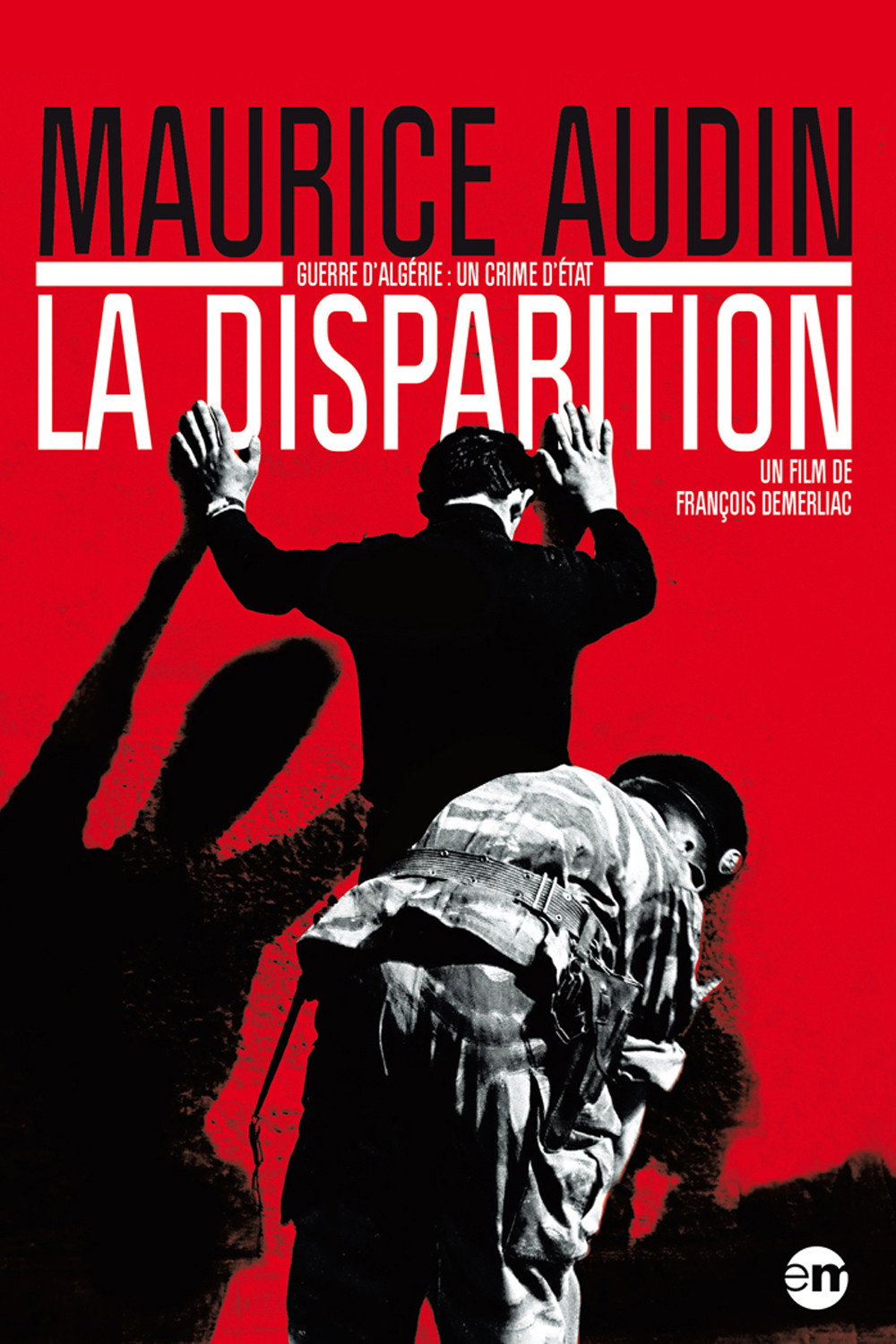
Maurice Audin, The Disappearance
Documentary · History · Drama
Overview
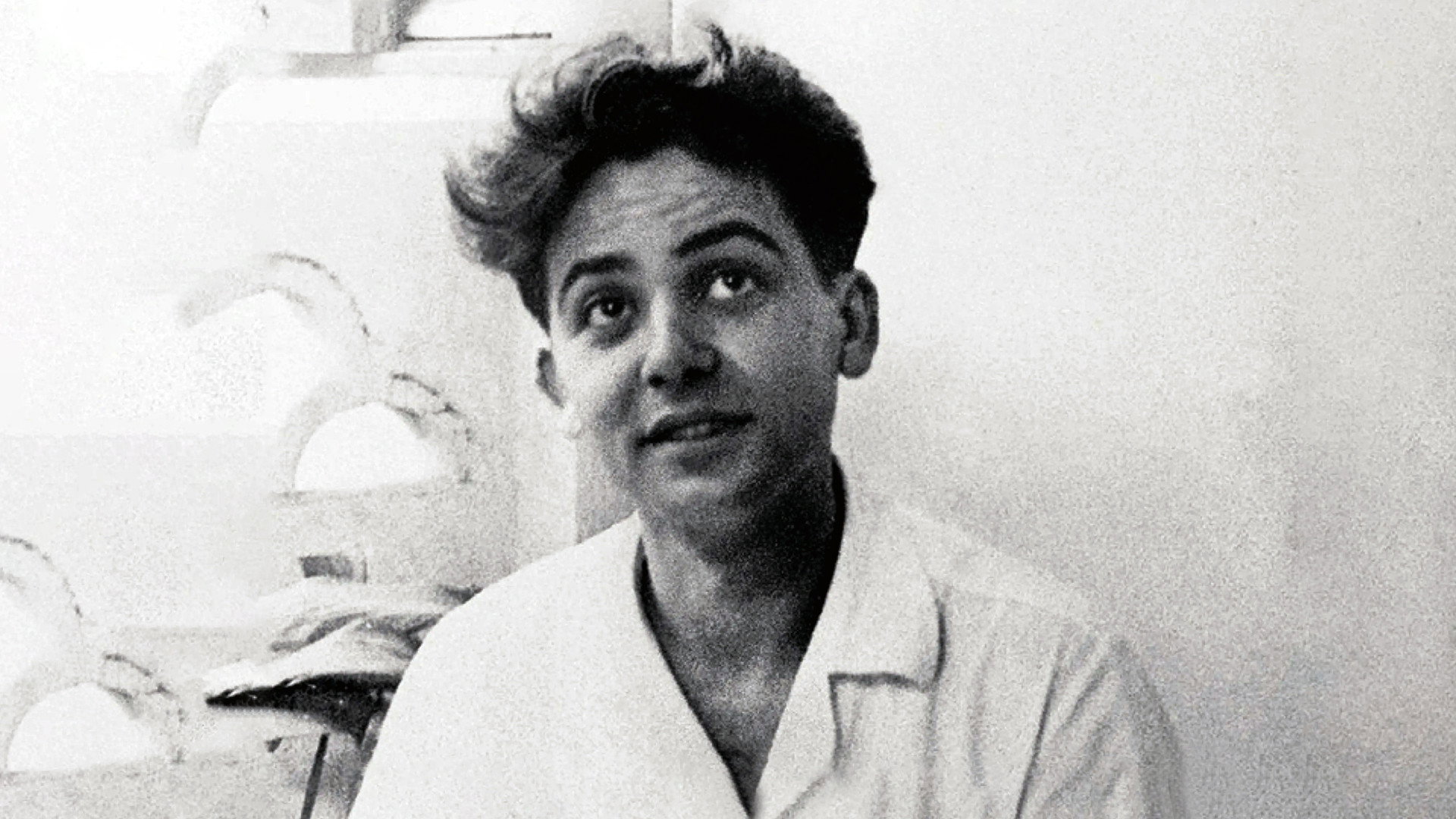
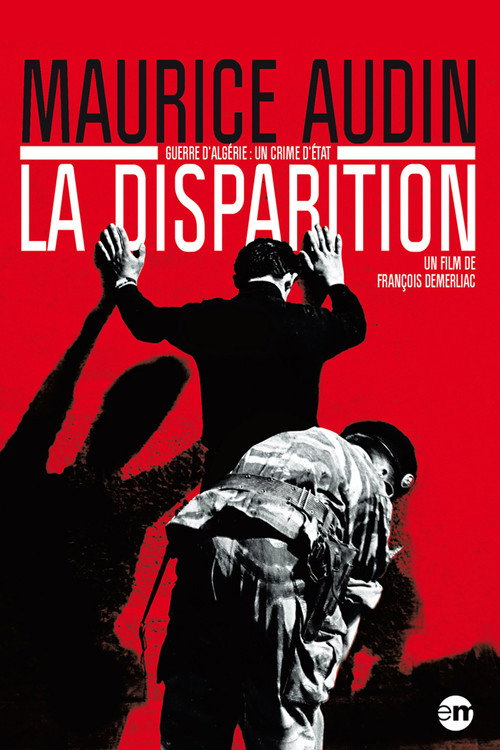
In Algiers, in June 1957, Maurice Audin, a 25-year-old mathematician, was arrested by French paratroopers. His wife, Josette, and their three children never saw him again. This documentary interweaves testimonies from French and Algerian protagonists: activists for Algerian independence, lawyers, historians, and military personnel. Drawing on the research of historian Pierre Vidal-Naquet, it blends archival footage, newspaper articles, books, drawings, and reenactments to reconstruct the context of this disappearance and denounce the torture and murder practiced in Algeria. Josette Audin is the central figure and the moral compass of this film.
Top Cast
Maurice Audin
Self (archive footages)
Josette Audin
Self

Henri Alleg
Self
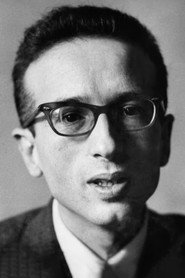
Pierre Vidal-Naquet
Self (archive footages)
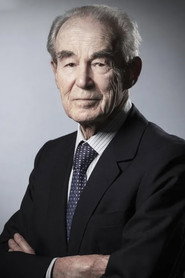
Robert Badinter
Self

Sébastien Descoins
Maurice Audin (fictional part)
Thierry Cantero
Docteur (fictional part)
Gabriel Champeix
Misiri (fictional part)

Olivier Charasson
Charbonnier (fictional part)
Olivier Derousseau
Valentin (fictional part)
Charles Heidet
Cuomo (fictional part)






Maurice Audin
Maurice Audin
Self (archive footages)
Maurice Audin
Self (archive footages)
Josette Audin
Josette Audin
Self
Josette Audin
Self
Henri Alleg
Henri Alleg
Self
Henri Alleg
Self
Pierre Vidal-Naquet
Pierre Vidal-Naquet
Self (archive footages)
Pierre Vidal-Naquet
Self (archive footages)
Robert Badinter
Robert Badinter
Self
Robert Badinter
Self
Sébastien Descoins
Sébastien Descoins
Maurice Audin (fictional part)
Sébastien Descoins
Maurice Audin (fictional part)
Thierry Cantero
Thierry Cantero
Docteur (fictional part)
Thierry Cantero
Docteur (fictional part)
Gabriel Champeix
Gabriel Champeix
Misiri (fictional part)
Gabriel Champeix
Misiri (fictional part)
Olivier Charasson
Olivier Charasson
Charbonnier (fictional part)
Olivier Charasson
Charbonnier (fictional part)
Olivier Derousseau
Olivier Derousseau
Valentin (fictional part)
Olivier Derousseau
Valentin (fictional part)
Similar Movies
After 50 years in theatre, film and television, Carme Elias is diagnosed with Alzheimer's Disease. Together with Claudia Pinto, a director and friend, they decide to record her last conscious voyage. The characters played by Carme accompany this difficult period, while the borders between fiction and reality disappear. While You're Still You is a constant game of mirrors, a pact of love and friendship.
Russian poet Andrei Gorchakov journeys through Italy with his interpreter Eugenia to research the life of an 18th-century Russian composer who once lived abroad. Isolated and consumed by an unrelenting longing for his homeland, Andrei becomes drawn to Domenico, a radical mystic obsessed with spiritual redemption. Through austere imagery and extended temporal rhythms, Tarkovsky examines exile, memory, and the profound melancholy of being unable to belong fully to either place or language.
Agnès Varda eloquently captures Paris in the sixties with this real-time portrait of a singer set adrift in the city as she awaits test results of a biopsy. A chronicle of the minutes of one woman’s life, Cléo from 5 to 7 is a spirited mix of vivid vérité and melodrama, featuring a score by Michel Legrand and cameos by Jean-Luc Godard and Anna Karina.
An exhaustive explanation of how the military occupation of an invaded territory occurs and its consequences, using as a paradigmatic example the recent history of Israel and the Palestinian territories, the West Bank and the Gaza Strip, from 1967, when the Six-Day War took place, to the present day; an account by filmmaker Avi Mograbi enriched by the testimonies of Israeli army veterans.
Omar, better known as Omar the Strawberry, is an old-fashioned bandit. Forced to flee to Algeria, he makes a living out of petty crime, accompanied by his famous sidekick Roger. After decades of ruling the French criminal underworld, they must come to terms with their new life together, which until now has been one of debauchery and violence.
After returning home from the Vietnam War, veteran Jacob Singer struggles to maintain his sanity. Plagued by hallucinations and flashbacks, Singer rapidly falls apart as the world and people around him morph and twist into disturbing images. His girlfriend, Jezzie, and ex-wife, Sarah, try to help, but to little avail. Even Singer's chiropractor friend, Louis, fails to reach him as he descends into madness.
Algeria, summer 1962, eight hundred thousand French people left their native land in a tragic exodus. But 200,000 of them decided to attempt the adventure of independent Algeria. Over the following decades, political developments would push many of these pieds-noirs into exile towards France. But some never left. Germaine, Adrien, Cécile, Guy, Jean-Paul, Marie-France, Denis and Félix, Algerians of European origin, are among them. Some have Algerian nationality, others do not. Some speak Arabic, others do not. They are the last witnesses to the little-known history of these Europeans who remained out of loyalty to an ideal, a taste for adventure and an unconditional love for a land where they were born, despite all the ups and downs that the free Algeria in full construction had to go through.