


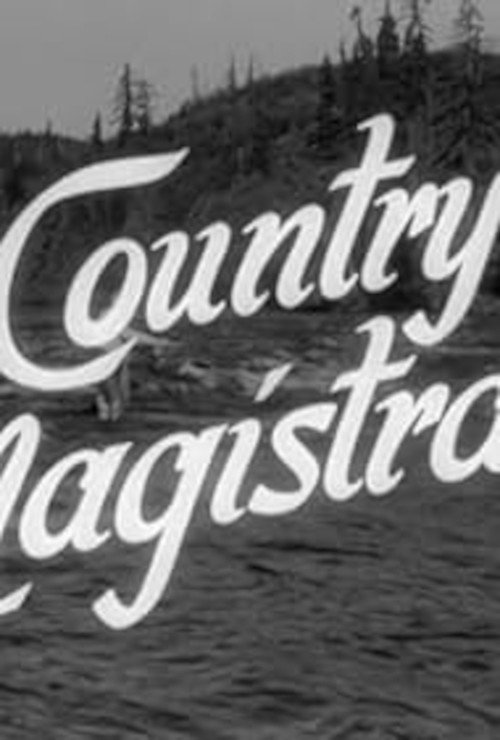
Country Magistrate
Documentary
Overview
This film deals with the administration of justice on the local level in Canada, as seen in the activities of Roderick Haig-Brown, fisherman, writer and magistrate in rural British Columbia. A portrayal of a few of the typical cases on his roster indicates the variety of criminal offences which come under the jurisdiction of a country magistrate's court. In showing the discharge of his responsibilities the film reveals the magistrate's important position in the community, the constant demands on his time, and the integrity of judgment required to uphold the law on the one hand and to act in executive restraint of police powers on the other. Based on parts of the book Measure of the Year by Roderick Haig-Brown.
Top Cast
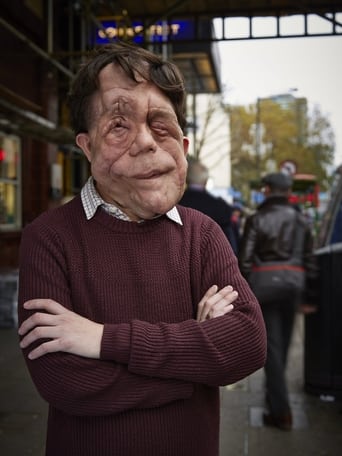






Roderick Haig-Brown
Roderick Haig-Brown
Self
Roderick Haig-Brown
Self
Similar Movies

For over thirty years, three women have languished in Missouri State prison under unjust sentences for killing their abusive husbands. Denied the opportunity to enter the abuse into evidence, each of the women represents a system broken by outdated and media-sensationalized stereotypes. When a greater understanding of the "battered" syndrome change legal practices in 2000, Missouri's Governor crafts a new law demanding the parole board reevaluate each woman's case.
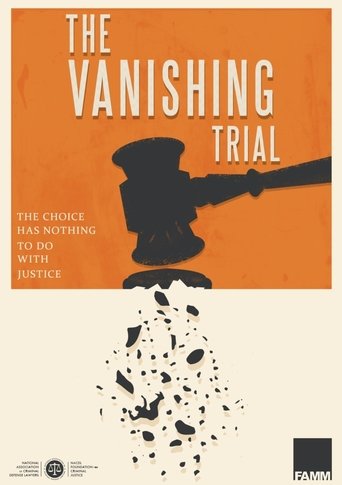
“The Vanishing Trial” looks into “trial penalty,” the term used to describe the substantially longer prison sentence a person receives if they exercise their constitutional right to trial instead of plead guilty. The documentary focuses on four individuals who were forced to make that excruciating choice.
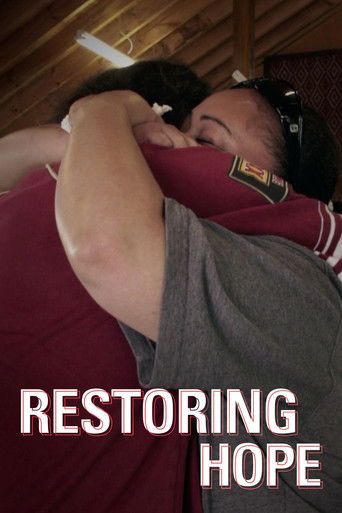
This often confronting documentary observes a Māori restorative justice model through the eyes of straight-talking Mike Hinton, manager of Restorative Justice at Manukau Urban Māori Authority. The bringing together of victims (including wider whānau) and offenders may offer an alternate way forward for "a criminal justice system failing too many and costing too much”. Restoring Hope kicked off Māori Television’s 2013 season of Sunday night documentaries. In a Herald On Sunday preview, Sarah Lang argued it was “enough to restore hope in local documentary-making.” I’m in an arena where people have high emotions, they get stressed and pressured. I’m reasonably confident that I can avoid situations where I’ll be unsafe. I don’t have any death wish — I’ve got a game of golf tomorrow. – Mike Hinton, on the dangers of the job
Kingsley, Kevin, and Hailey are three ambitious eighth graders preparing for a single exam that could determine their futures. They’re competing for admission to New York City’s Specialized High Schools, elite public institutions that have produced Nobel Prize laureates, astronauts, judges, artists, and national leaders. But as the kids await their test results, a citywide battle is raging over who should attend these schools—the kids who score highest on the entrance exam or the kids who improve diversity. Featuring interviews with kids, parents, and education leaders, If You Can Make It Here places young students at the center of a high-stakes cultural conflict over the future of equity and excellence in public education.
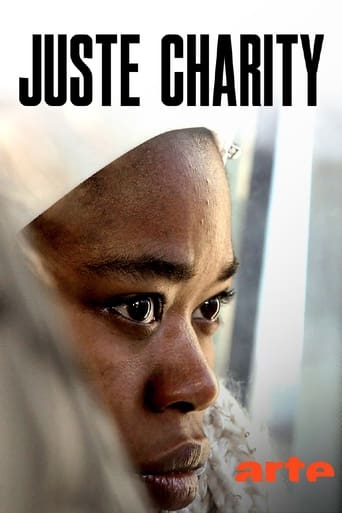
Six years ago, Charity Jimohe left Nigeria for France. After ten months of forced prostitution to pay off a debt of 35,000 euros contracted with the traffickers who had brought her here, she walked through the door of a police station in Nantes to denounce the members of her prostitution ring.
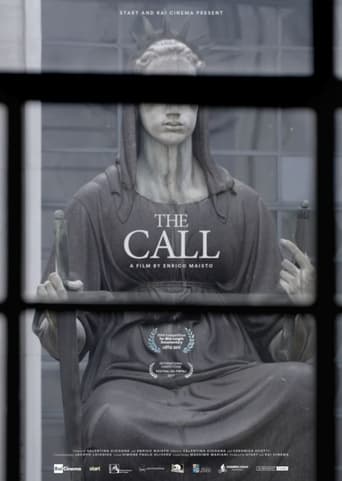
A courtroom in Milan is filled with people brought together by random selection. Long interviews lie ahead. Based on the interviews, some of them will be chosen for jury duty. However, The Call doesn’t focus on judicial proceedings, but rather considers people’s sense of justice through the conversations in the waiting room.
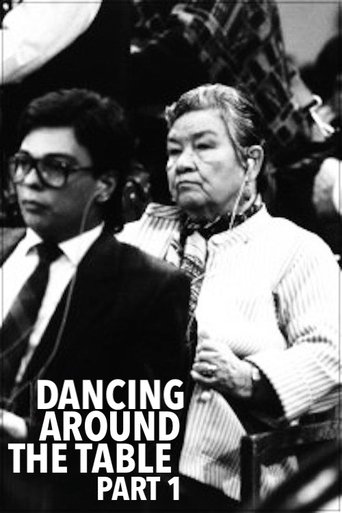
Dancing Around the Table: Part One provides a fascinating look at the crucial role Indigenous people played in shaping the Canadian Constitution. The 1984 Federal Provincial Conference of First Ministers on Aboriginal Constitutional Matters was a tumultuous and antagonistic process that pitted Prime Minister Pierre Elliot Trudeau and the First Ministers—who refused to include Indigenous inherent rights to self-government in the Constitution—against First Nations, Inuit and Métis leaders, who would not back down from this historic opportunity to enshrine Indigenous rights. The conference was Pierre Elliott Trudeau’s last constitutional meeting before he resigned and the process was handed over to his successor, Brian Mulroney.