


Crimewave
Documentary
Overview
Alan Kelley's eagerly awaited edit of a Survival Research Laboratories show in the Bay Area held on an empty parking lot off Beale Street at the foot of the Bay Bridge. The show revolves around the many humorous aspects of violent human interaction. Also included in the video are footage from the Wired anniversary party and the SRL Halloween Trick where the V1 was operated in front of the Roxie Theater and several other machines and props operated by SRL members on Minna Street. Includes footage of Mark Pauline being detained by the SFPD for questioning on the device ignited on 16th Street...
Top Cast



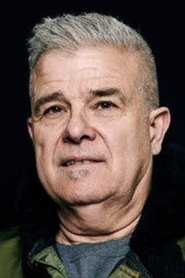
Mark Pauline
Mark Pauline
Mark Pauline
Similar Movies
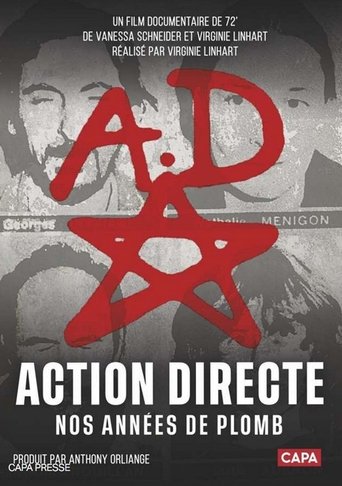
Between 1979 and 1987, a far-left group wreaked havoc across France. Robberies, bombings, assassinations. They struck hard and disappeared in a cloud of explosives, leaflets scattered in the wind, and relentless ideological demands. Their name? Action Directe. More than 80 attacks, 26 wounded, and 12 dead in less than ten years. Stunned French citizens discovered posters plastered everywhere showing portraits of these young women and men who looked like everyone else and whom nothing seemed to be able to stop. A long and intense manhunt began, culminating in the arrest of the group's leadership.
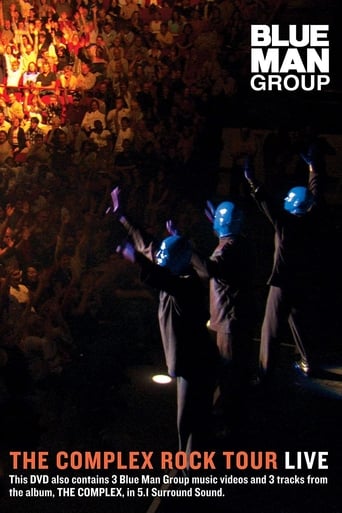
Offbeat performance artists The Blue Man Group have finally been captured live on this disc that features concert footage, three full-length music videos and three songs from Blue Man Group's album, "The Complex." The live footage was filmed during Blue Man Group's successful and widely acclaimed August 2003 rock tour, where they wowed 9,000 fans in two sold-out concerts.
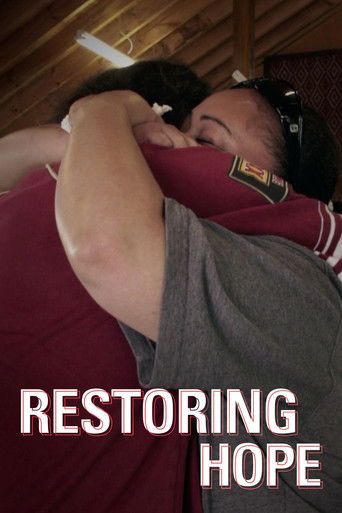
This often confronting documentary observes a Māori restorative justice model through the eyes of straight-talking Mike Hinton, manager of Restorative Justice at Manukau Urban Māori Authority. The bringing together of victims (including wider whānau) and offenders may offer an alternate way forward for "a criminal justice system failing too many and costing too much”. Restoring Hope kicked off Māori Television’s 2013 season of Sunday night documentaries. In a Herald On Sunday preview, Sarah Lang argued it was “enough to restore hope in local documentary-making.” I’m in an arena where people have high emotions, they get stressed and pressured. I’m reasonably confident that I can avoid situations where I’ll be unsafe. I don’t have any death wish — I’ve got a game of golf tomorrow. – Mike Hinton, on the dangers of the job
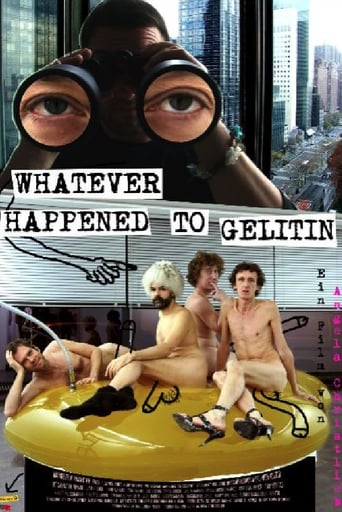
Art dealer Salvatore Viviano and director Angela Christlieb embark on a search for the lost artist collective Gelitin, which since the 1990s has shattered the borders of "good taste" again and again with extravagant actions and installations. Interviews with old companions and artist friends in the U.S., Europe, and Asia are linked with anarchically montaged Gelitin archive material: intense, transgressive, experimental, gaudily colorful, funny, and virulent.
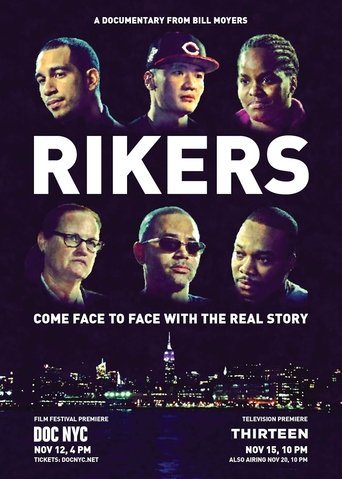
This film from Bill Moyers is the first documentary to focus exclusively on people formerly detained in New York City’s notorious Rikers Island Jail. They tell their compelling stories direct to the camera, revealing the violent arc of the Rikers experience – from the trauma of entry to extortion and control by inmates, to oppressive corrections officers, violence and solitary confinement.
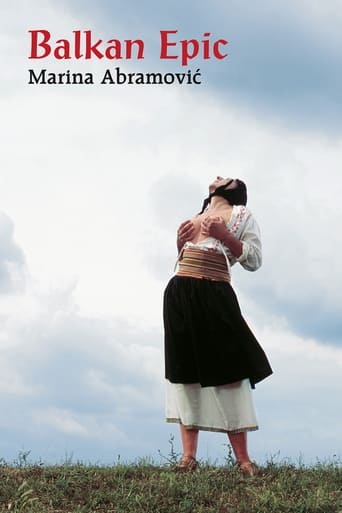
The film explores the sexual aspects of Serbian folklore. Ancient myths that have trickled into everyday household remedies or explanations are juxtaposed with the joys of the female and male sexual forms from which all human life originates. Functioning as both sexual liberation and reinvented modern myth, Balkan Erotic Epic is a display of the need for a cultural change in viewpoint around sex.
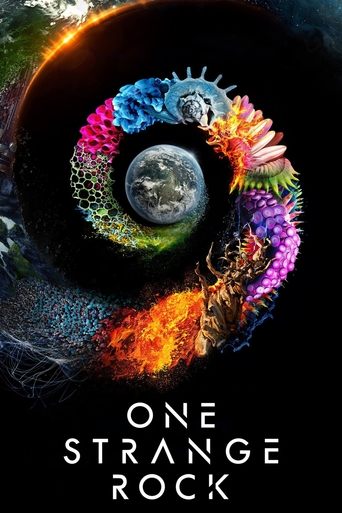
A mind-bending, thrilling journey exploring the fragility and wonder of planet Earth, one of the most peculiar, unique places in the entire universe, brought to life by the only people to have left it behind – the world’s most well known and leading astronauts. This edit combined episodes one and ten to create a new movie.

Dissident artist Hu Jie has managed to make more than 30 documentaries. Films like Though I Am Gone and Searching for Lin Zhao's Soul are vital to understanding Chinese history and society. Widely recognized as the first artist to dare talk about the Great Famine, the labor camps, and the Cultural Revolution, Hu Jie is considered China's first historical documentary filmmakers.
The video revolution of the 1970s offered unprecedented access to the moving image for artists and performers. This Is Not a Dream explores the legacies of this revolution and its continued impact on contemporary art and performance. Charting a path across four decades of avant-garde experiment and radical escapism, This Is Not a Dream traces the influences of Andy Warhol, John Waters and Jack Smith to the perverted frontiers of YouTube and Chatroulette, taking in subverted talk shows and soap operas, streetwalker fashions and glittery magic penises along the way.