



Juste Charity
Documentary
Overview
Six years ago, Charity Jimohe left Nigeria for France. After ten months of forced prostitution to pay off a debt of 35,000 euros contracted with the traffickers who had brought her here, she walked through the door of a police station in Nantes to denounce the members of her prostitution ring.
Top Cast







Charity Jimohe
Charity Jimohe
Herself
Charity Jimohe
Herself
Similar Movies
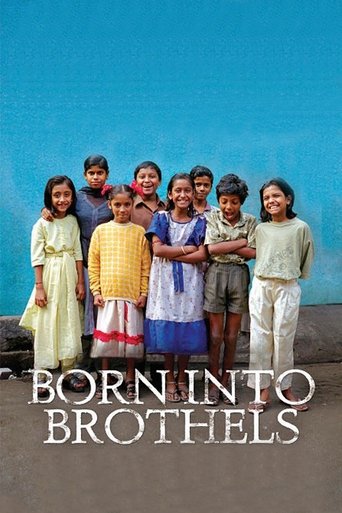
Documentary depicting the lives of child prostitutes in the red light district of Songachi, Calcutta. Director Zana Briski went to photograph the prostitutes when she met and became friends with their children. Briski began giving photography lessons to the children and became aware that their photography might be a way for them to lead better lives.
On January 3, 2001 in Lorca there was a traffic accident that caused 12 deaths who were Ecuadorians, worked in agricultural fields and were in an irregular situation in Spain. This documentary reflects the harsh reality experienced by dozens of illegal Ecuadorians offering much cheaper labor in Spain.
In 2011, as tens of thousands of migrants, Loss, and Madess Moussa arrived in Europe via Turkey. Required by EU law to remain in Greece, they only want one thing : to leave. Therefore earn the money needed to start is an obsession and all means are good. The film "The Adventure" follows the lives of these three Ivorians to Athens - their sense of enclosure, strategies to find money, failover illegally, attempts to start - and explores what is at stake, individually and collectively during migration: relations to other migrant communities, friendship, betrayal, solidarity, mafias and violence.
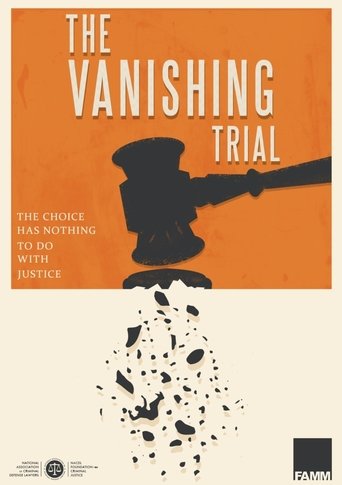
“The Vanishing Trial” looks into “trial penalty,” the term used to describe the substantially longer prison sentence a person receives if they exercise their constitutional right to trial instead of plead guilty. The documentary focuses on four individuals who were forced to make that excruciating choice.

Pier Paolo Pasolini sets out to interview Italians about sex, apparently their least favorite thing to talk about in public: he asks children if they know where babies come from; asks old and young women if they support gender equality; asks both sexes if a woman's virginity still matters, what do they think of homosexuality, if divorce should be legal, or if they support the recent abolition of brothels. He interviews blue-collar workers, intellectuals, college students, rural farmers, the bourgeoisie, and every other kind of people, painting a vivid portrait of a rapidly-industrializing Italy, hanging between modernity and tradition — toward both of which Pasolini shows equal distrust.

NCR: Not Criminally Responsible tells the story of a troubled young man who stabbed a complete stranger 6 times in a crowded shopping mall while gripped by psychosis. Twelve years later, his victim, who miraculously survived, is terrified to learn that he's out, living in the community under supervision. He's applying for an absolute discharge, and if he succeeds, he'll no longer be required to take the anti-psychotic drugs that control his mental illness. With unprecedented access to the patient, the victim, and the mental institution, the film looks at both sides of the debate and puts a human face on the complex ethical issues raised.
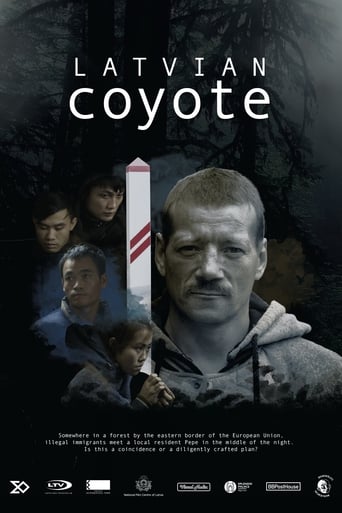
An absurd game of “finding happiness” is being played by local Latvian coyotes* and illegal immigrants on the Russian and the European Union border. It is a game with no winner – all participants are driven to play by the sense of despair. While one side leaves home and undertakes a perilous journey to the other side of the globe, hoping to spend the rest of their lives in a free country, the other side risks their freedom to earn a chance to stay right where they are, in their homeland. *coyote – someone who smuggles illegal immigrants
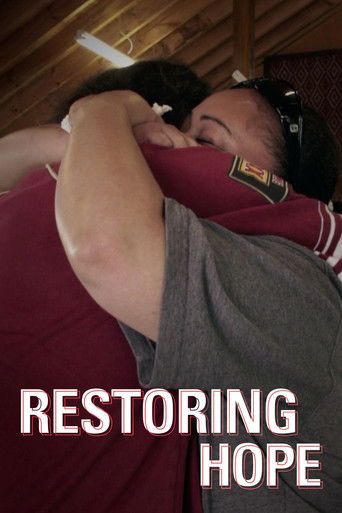
This often confronting documentary observes a Māori restorative justice model through the eyes of straight-talking Mike Hinton, manager of Restorative Justice at Manukau Urban Māori Authority. The bringing together of victims (including wider whānau) and offenders may offer an alternate way forward for "a criminal justice system failing too many and costing too much”. Restoring Hope kicked off Māori Television’s 2013 season of Sunday night documentaries. In a Herald On Sunday preview, Sarah Lang argued it was “enough to restore hope in local documentary-making.” I’m in an arena where people have high emotions, they get stressed and pressured. I’m reasonably confident that I can avoid situations where I’ll be unsafe. I don’t have any death wish — I’ve got a game of golf tomorrow. – Mike Hinton, on the dangers of the job