


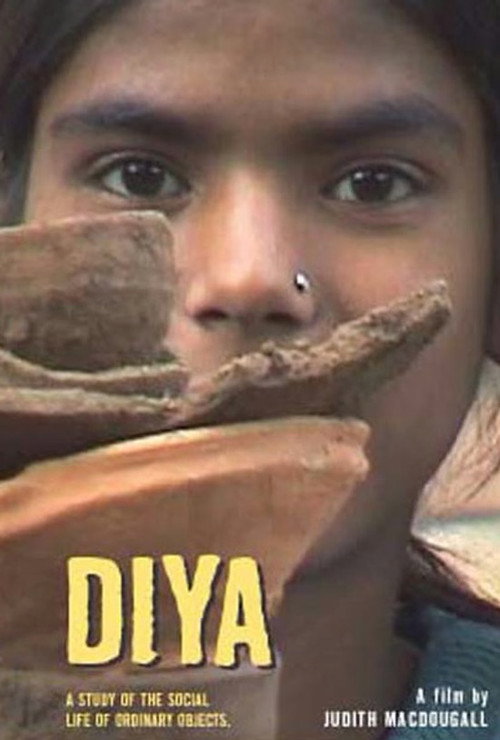
Diya
Documentary · Family



No cast information.
Similar Movies
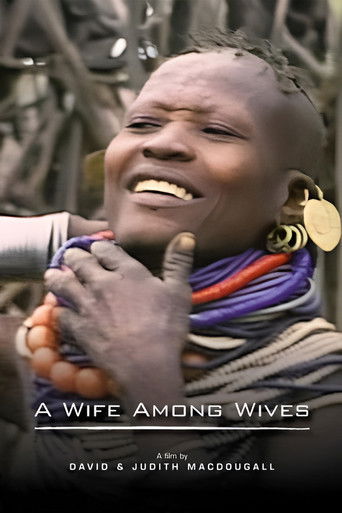
David and Judith MacDougall are exploring the marriage rituals and roles of Turkana women in this ethnographic documentary. The film's biggest part is taken up by talks between the Turkana people. As one of the first ethnographic documentaries "A Wife Among Wives" subtitles these talks so that the viewer can get a better and probably more personal understanding of the life of the Turkana.
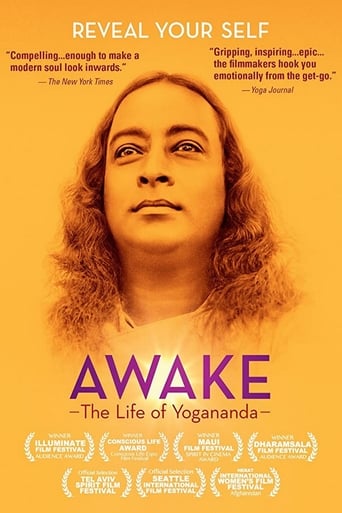
An unconventional biography by Oscar nominee Paola di Florio and Sundance winner Lisa Leeman about Hindu mystic Paramahansa Yogananda who brought yoga and meditation to the West in 1920 and authored the spiritual classic "Autobiography of a Yogi," which became the go-to book for seekers from George Harrison to Steve Jobs.
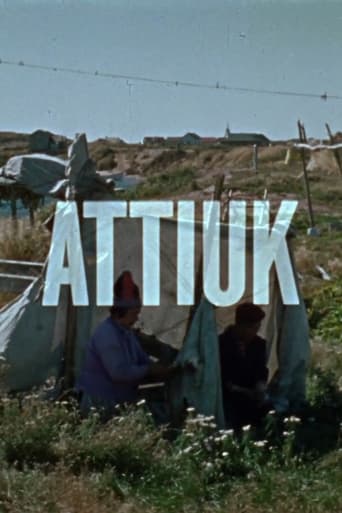
The people of Unamenshipu (La Romaine), an Innu community in the Côte-Nord region of Quebec, are seen but not heard in this richly detailed documentary about the rituals surrounding an Innu caribou hunt. Released in 1960, it’s one of 13 titles in Au Pays de Neufve-France, a series of poetic documentary shorts about life along the St. Lawrence River. Off-camera narration, written by Pierre Perrault, frames the Innu participants through an ethnographic lens. Co-directed by René Bonnière and Perrault, a founding figure of Quebec’s direct cinema movement.
A ritual vase, the hampi, is placed in the center of the Musée de plein air de la République du Niger in Niamey, during a ritual ceremony featuring possession dances. With this film, Jean Rouch continues his ethnological and cinematographic study of Songhay ritual objects. He demonstrates that, in a particular context, the transfer of a hampi vase to a museum requires the organization of a ritual ceremony to obtain the gods' approval. At the time, however, reservations about filming a possession dance for the opening of a shrine in a museum made the move "questionable from a museological point of view".
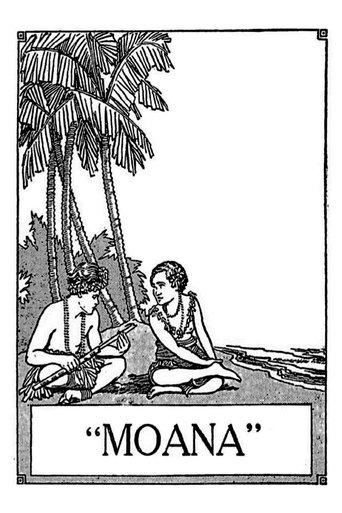
Robert J. Flaherty’s follow-up to Nanook of the North shifts from the Arctic to the South Seas, portraying Samoan village life with a painterly eye. Blending ethnographic detail with a romanticized “Gauguin idyll,” the film celebrates daily rituals, communal traditions, and the passage into adulthood, suffused with what Flaherty called “pride of beauty, pride of strength.”
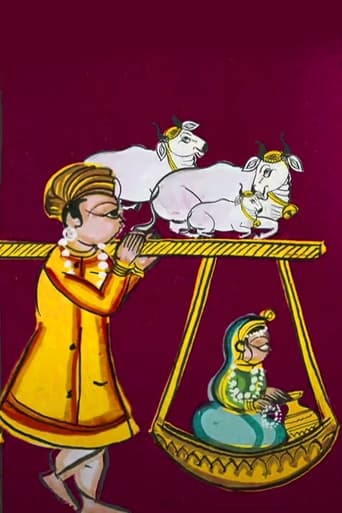
Two storytellers put forth their versions of the story of Shravan Kumar. The art for the film uses painted images from a wooden portable shrine called a Kaavad. The film is a collaborative work between traditional Kaavad storytellers and Kaavad artists from Rajasthan, together with the filmmaker. Combining lush animation with live-action, the film is an interpretation of two stories which are forever fused in the act of telling and retelling.