

Tuo Dolphins
Documentary
Overview
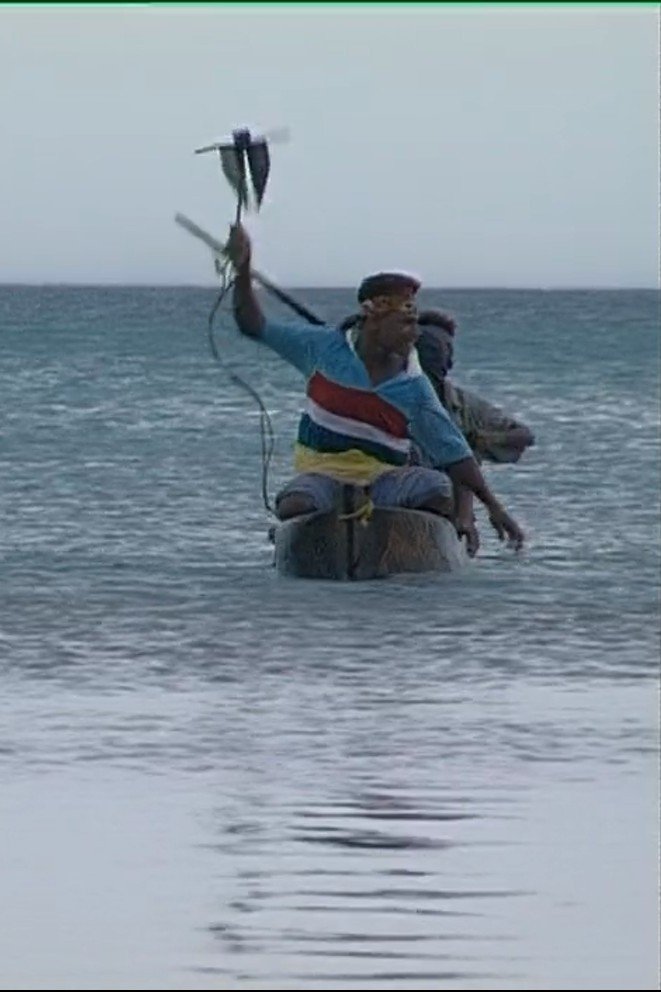
On the night of 3 August 1996 a school of striped dolphins ran ashore near the village of Tuo on Ngasinue/Fenualoa Island in the Reef Islands (Solomon Islands). Dolphins have a special kinship-related link to the Aiwoo-speaking people in Tuo. Moffat Bonunga tells the legend or so-called local kastom story that explains why. Moffat's explanations are linked with those of another local expert, Commins Veio, who tells his version of the story to Nathaniel Meningi inside the men's house (sapolau) in Tuo. The night the dolphins run ashore, Moffat immediately contacts the film crew - the villagers want the crew to film this peculiar phenomenon. Although the film focuses on the kastom story and the villagers' re-enactment of the hunt, it also documents the villagers' joy that the sea once again has proved an important source of food.



No cast information.
Similar Movies
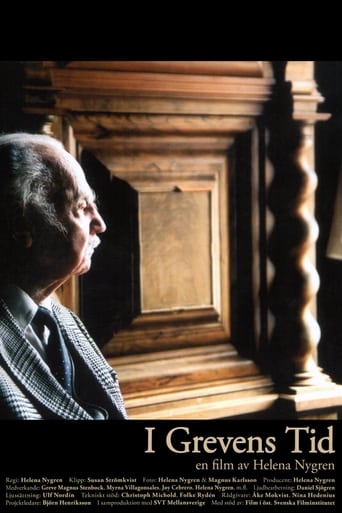
At the forests of Östergötland, where land meets sea, rests the old castle Herrborum. Here lives count Magnus Stenbock, 92, according to his own ideas about what is appropriate and what is not. Film-maker Helena Nygren is fascinated by the count and the castle, and is allowed to film on the condition that she takes the role of companion lady. Over one year, Helena returns several times to take part of count Magnus Stenbock and his servants life on castle Herrborum in Östergötland. Time stands still on the castle, and in the movie Helena wants to preserve the fairy tale feeling she gets when she steps into these ancient surroundings. The count is a strong personality with strong opinions and a great interest in history. All kinds of people come to his castle to savor the special atmosphere and follow the old fashioned rules of etiquette. Helena transforms from an observer to a lady who participates in the social games on the estate, where everything moves around its own time axis.

The Day of the Dead is one of the most deeply rooted and celebrated traditions in our country and when this festivity takes place in a magical town, the event becomes something memorable. The Day of the Dead tradition in Huautla de Jiménez, Oaxaca begins on October 27 with the arrival of the chá to xo´o´ and the celebration lasts six days. Hand in hand with its inhabitants, we will take a tour to witness all the colors, smells, flavors, sounds, textures, and visions that surround this ancestral festival and that of the Mazatecs.
The Shipibo-Konibo people of Peruvian Amazon decorate their pottery, jewelry, textiles, and body art with complex geometric patterns called kené. These patterns also have corresponding songs, called icaros, which are integral to the Shipibo way of life. This documentary explores these unique art forms, and one Shipibo family's efforts to safeguard the tradition.
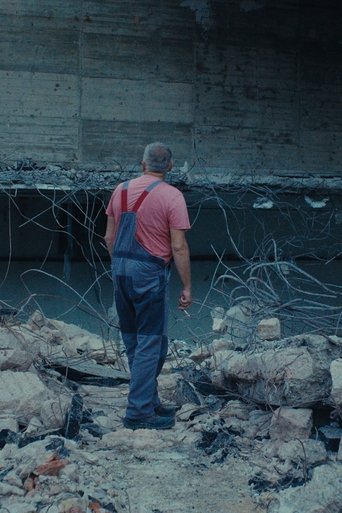
A Berlin street corner is slowly changing: an aging supermarket turns into a construction site and finally a new building. People restock shelves, demolish walls, take breaks and count money. Those who work here participate in the making and unmaking of the place. How does it shape the conditions of their labor? Between supermarket aisles, construction scaffolding and exposed concrete, different versions begin to overlap. Repetitions appear like echoes between worlds, both playful and eerie.
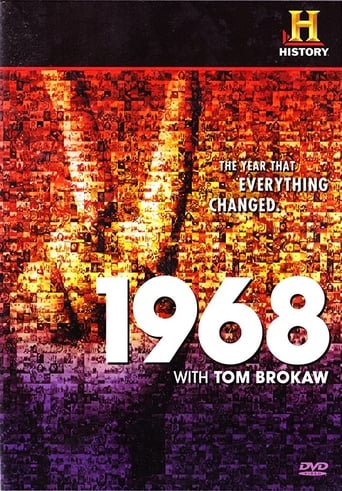
In 1968, the fury and violence of the Democratic National Convention in Chicago propelled us toward a tipping point in politics. Martin Luther King Jr. and Robert F. Kennedy were assassinated, America suffered its bloodiest year in Vietnam and drugs seduced us. Yet idealism--and hope--flourished. Explore the significance of that turbulent year and the way it continues to affect the American landscape. Tom Brokaw offers his perspective on the era and shares the rich personal odysseys of some of the people who lived through that chaotic time, along with the stories of younger people now experiencing its aftershocks. Includes archival footage and interviews with former Atlanta Mayor Andrew Young, who was talking to King when he was assassinated and rushed to his side to try to staunch the wound; Olympic gold medalist Rafer Johnson, who wrestled RFKs' assassin to the ground; and Arlo Guthrie, best known for his song "Alice's Restaurant.
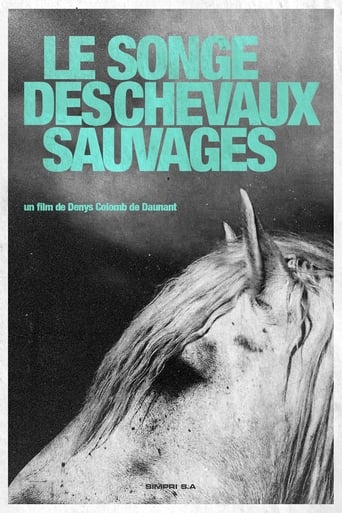
The horses in Denys Colomb Daunant’s dream poem are the white beasts of the marshlands of the Camargue in South West France. Daunant was haunted by these creatures. His obsession was first visualized when he wrote the autobiographical script for Albert Lamorisse’s award-winning 1953 film White Mane. In this short the beauty of the horses is captured with a variety of film techniques and by Jacques Lasry’s beautiful electronic score.