

Alien Boy: The Life and Death of James Chasse
Documentary
Overview
Alien Boy: The Life and Death of James Chasse is a feature length documentary film about one mans struggle with schizophrenia and the extraordinary brutality that ended his life. It is the story of a city in denial that was forced to face the truth and learn, grow and change as a result. Alien Boy explores issues of impunity, police brutality, and mental illness.





No cast information.
Similar Movies
THEY HEARD VOICES is a documentary film exploring the Hearing Voices Movement, chronic psychosis, and the schizophrenia label. The film is a series of wide-ranging interviews with voice hearers, medical historians, anthropologists and psychiatrists from Britain and America, presenting different people’s views. Is schizophrenia hard science or an arbitrary, catch-all term with no real meaning? What does it mean for those experiencing psychosis?

In 1983, the director’s 24-year-old sister developed symptoms of schizophrenia. Her parents couldn’t accept it—refusing to seek treatment for their sick child, they confined her to their house, to the point of even fixing a padlock on the front door to lock her in. Her younger brother, suspicious of his parents’ actions, began filming the family in an effort to openly question them. A family conflict that lasted over twenty years.
Scott Panetti was tried for the capital murder of his parents-in-law on September 8, 1992 in Gillespie County, Texas. He was subsequently sentenced to death on September 22, 1995. Panetti has an extensive history of mental illness, including schizophrenia, manic depression, auditory hallucinations and paranoia. Panetti was hospitalized, both voluntarily and involuntarily for mental illness fourteen times in six different hospitals before his arrest for capital murder in 1992. Following his conviction, Panetti’s former wife, and daughter of the victims, Sonja Alvarado, filed a petition stating that Panetti never should have been tried for the crimes as he was suffering from paranoid delusions at the time of the killings.
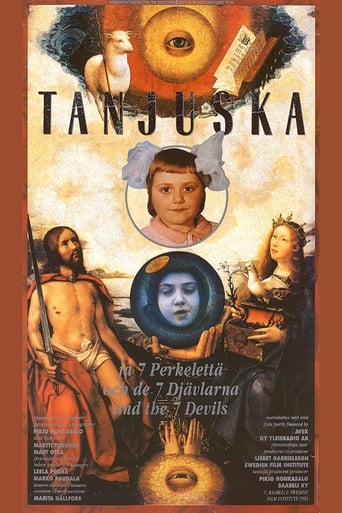
A documentary about Tanjuska who is a 12-year-old White-Russian schoolgirl, with a face like an icon. Two years ago she stopped eating, then talking and finally she stopped growing. The village priest in Estonia has explained to the family that seven devils have made a home inside Tanjuska. These devils are giving her orders and only a daily ceremony can force the devils to leave the girl.
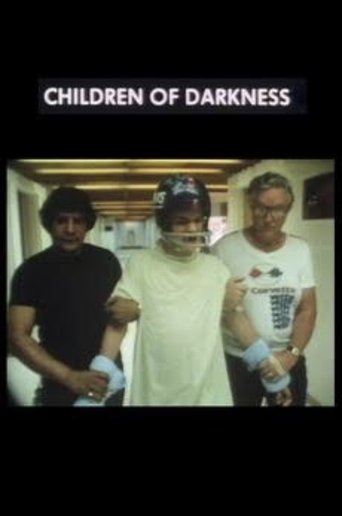
A significant number of American children and teenagers - from all social backgrounds - suffer from mental disorders, schizophrenia, autism and emotional problems, leading them to isolation from society while treating their issues in mental health facilities. But there's no end in sight for those young individuals when they face obstacles and mistreatment in inadequate places under the supervision of careless and inexperienced professionals. The documentary follows some of those public mental institutions and another private center dealing with troubled kids and reveals what's wrong with their procedures, and the irreparable harm they cause in those patients.
Shows masked mental patients enacting various schizophrenic symptoms as they were understood at the time. A disturbing film that raises questions about the condition and treatment of its subjects. (archive.org) “Abstract: This film describes and demonstrates four types of schizophrenia. Filmed at various New York institutions, it shows patients singly and grouped in large, outside recreational areas. Some patients are blindfolded. Symptoms shown include: social apathy, delusions, hallucinations, hebephrenic reactions, cerea flexibilitas, rigidity, motor stereotypes, posturing, and echopraxia.” (Guide to Mental Health Motion Pictures)