


Otázky pana Lásky
Documentary









No cast information.
Similar Movies
Sparked by the impending 25th anniversary of the Academy award-winning film Shine, this documentary explores the power of the musical brain. Featuring exclusive, intimate footage of superstar international musicians in their private worlds, it opens an intriguing portal into the musical mind.

Western culture treats mental disorders primarily through biomedical psychiatry, but filmmakers Phil Borges and Kevin Tomlinson reveal a growing movement of professionals and survivors who are forging alternative treatments that focus on recovery and turning mental “illness” into a positive transformative experience.
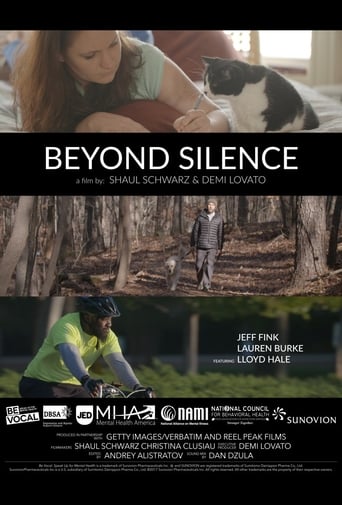
The lives of Jeff, Lauren and Lloyd—three very different people who share one common experience—have been transformed by speaking up for mental health. These inspiring stories depict what mental health in America really looks like and highlights just how important it is to speak up and seek help.
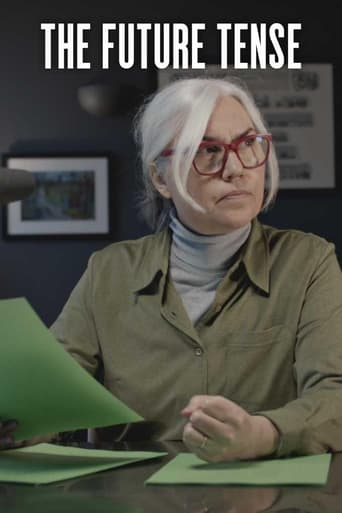
Staged as a series of voiceover sessions, written with gloriously off-balanced precision and dipped in the color green, THE FUTURE TENSE unfolds as a poignant tale of tales, exploring the filmmakers’ own experiences in aging, parenting, mental illness, along with the brutal history that lies submerged beneath Ireland’s heavy, moist earth.

With nearly two million people living in miserable conditions in Gaza, the Israeli blockade has taken its toll on mental health there. Against the backdrop of the border clashes earlier in 2018 this film goes deep inside the minds of the people of Gaza to explore the mental health issues affecting many there.
THEY HEARD VOICES is a documentary film exploring the Hearing Voices Movement, chronic psychosis, and the schizophrenia label. The film is a series of wide-ranging interviews with voice hearers, medical historians, anthropologists and psychiatrists from Britain and America, presenting different people’s views. Is schizophrenia hard science or an arbitrary, catch-all term with no real meaning? What does it mean for those experiencing psychosis?

In 1983, the director’s 24-year-old sister developed symptoms of schizophrenia. Her parents couldn’t accept it—refusing to seek treatment for their sick child, they confined her to their house, to the point of even fixing a padlock on the front door to lock her in. Her younger brother, suspicious of his parents’ actions, began filming the family in an effort to openly question them. A family conflict that lasted over twenty years.
Scott Panetti was tried for the capital murder of his parents-in-law on September 8, 1992 in Gillespie County, Texas. He was subsequently sentenced to death on September 22, 1995. Panetti has an extensive history of mental illness, including schizophrenia, manic depression, auditory hallucinations and paranoia. Panetti was hospitalized, both voluntarily and involuntarily for mental illness fourteen times in six different hospitals before his arrest for capital murder in 1992. Following his conviction, Panetti’s former wife, and daughter of the victims, Sonja Alvarado, filed a petition stating that Panetti never should have been tried for the crimes as he was suffering from paranoid delusions at the time of the killings.