

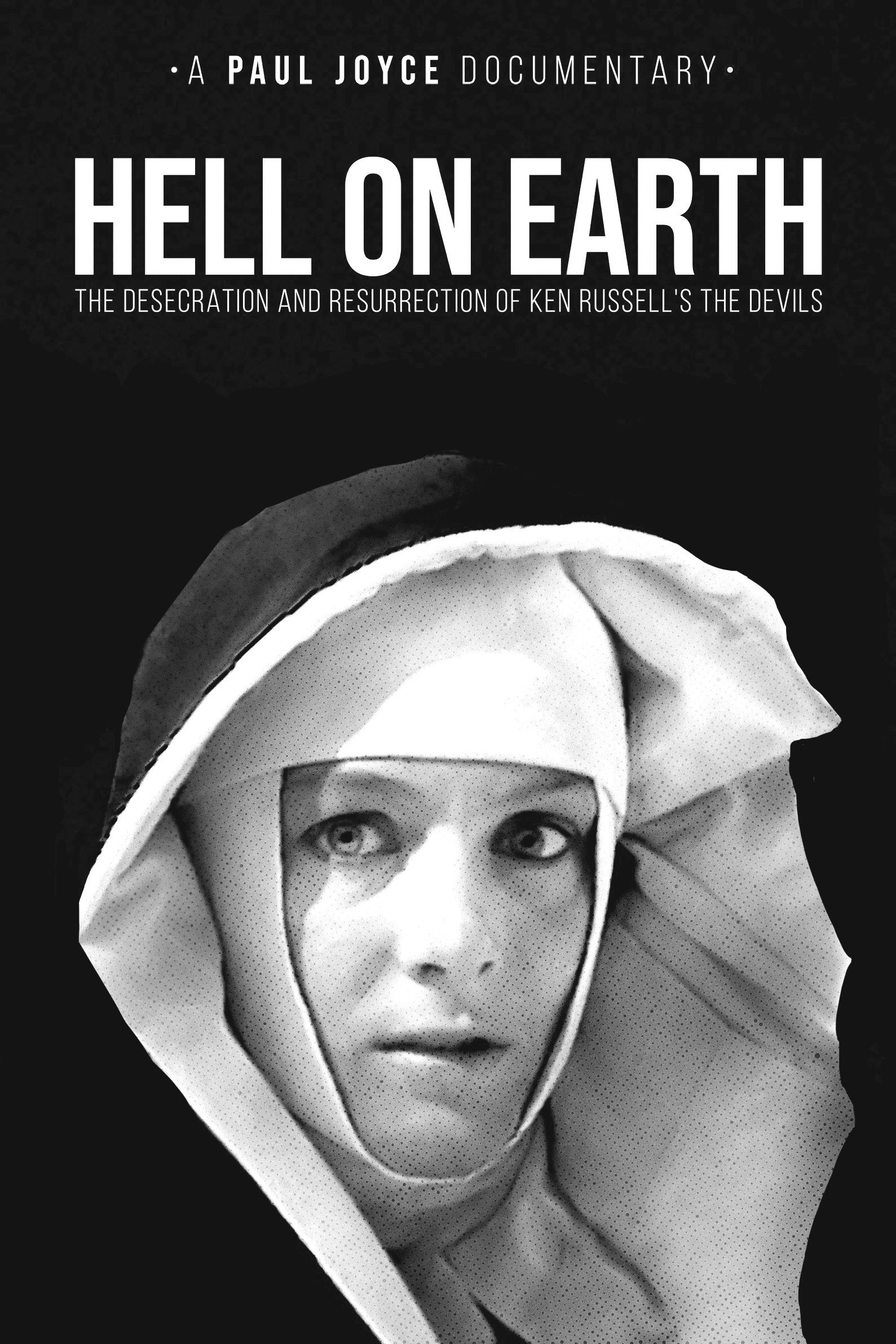
Hell on Earth: The Desecration & Resurrection of The Devils
Documentary
Overview
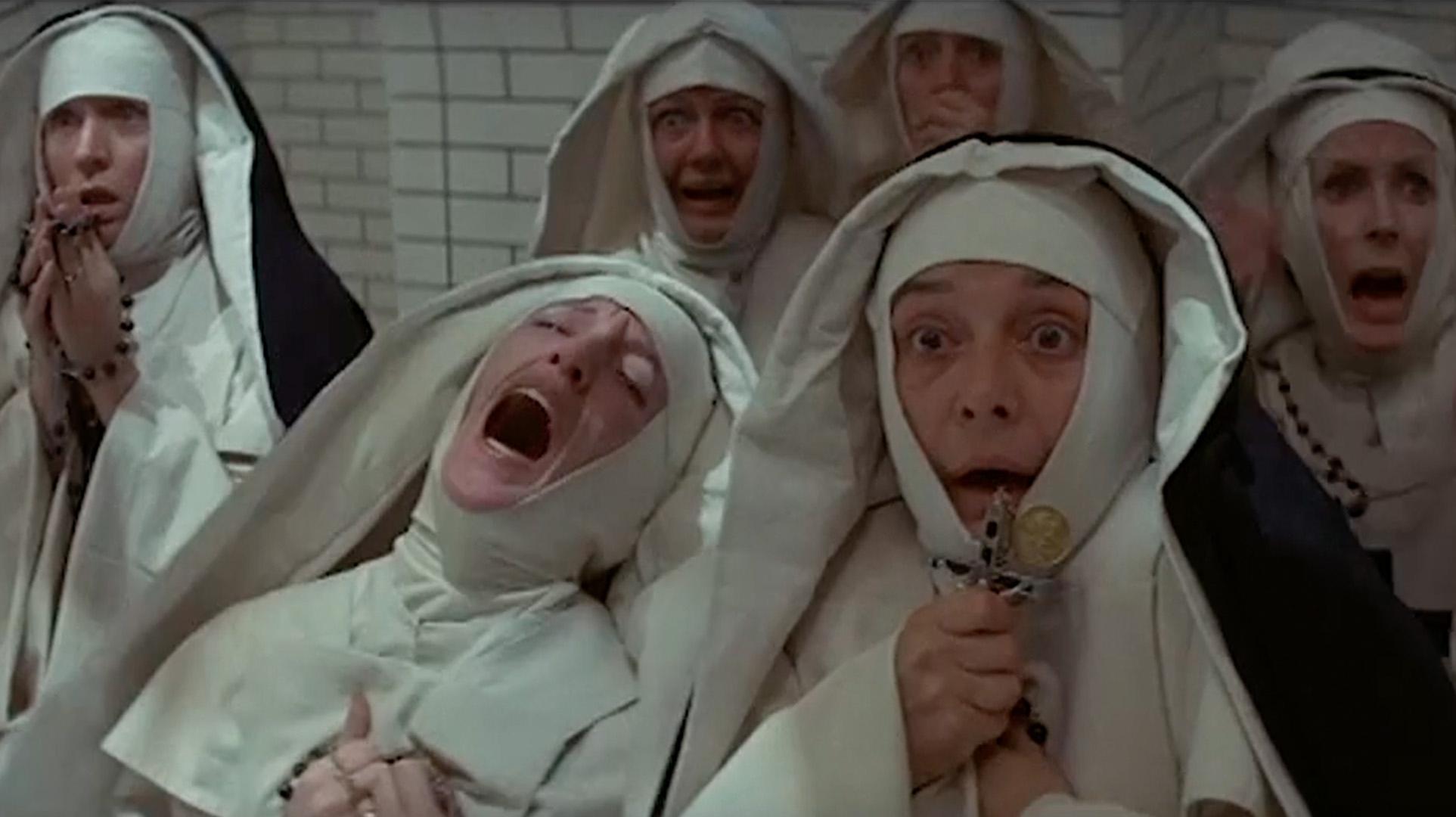
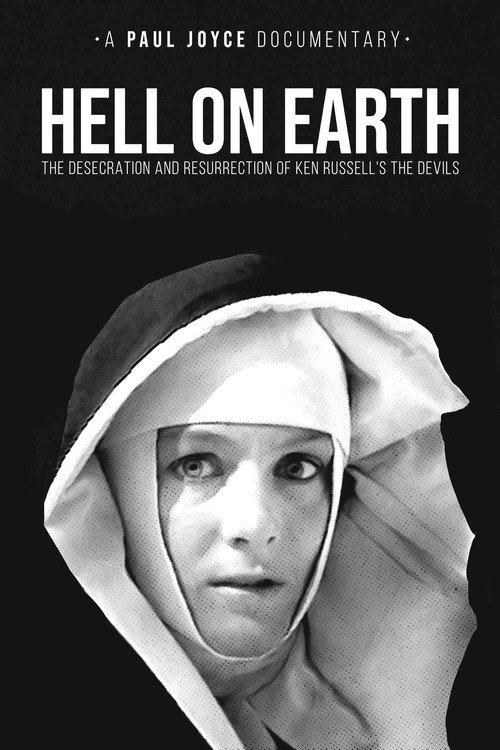
Hell on Earth is a documentary about Ken Russell's 1971 film, The Devils. Film critic Mark Kermode chats to Russell as well as two of the film’s stars, Georgina Hale and Murray Melvin. Also included are scenes that were cut from the released film for being too controversial.

Mark Kermode
Mark Kermode
Self
Mark Kermode
Self

Ken Russell
Ken Russell
Self
Ken Russell
Self

Vanessa Redgrave
Vanessa Redgrave
Self
Vanessa Redgrave
Self
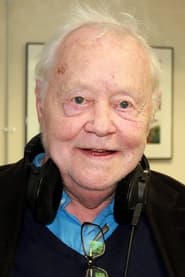
Dudley Sutton
Dudley Sutton
Self
Dudley Sutton
Self
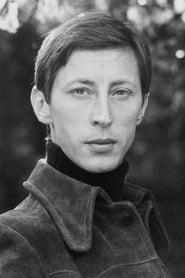
Murray Melvin
Murray Melvin
Self
Murray Melvin
Self

Georgina Hale
Georgina Hale
Self
Georgina Hale
Self

Imogen Claire
Imogen Claire
Self
Imogen Claire
Self

Judith Paris
Judith Paris
Self
Judith Paris
Self
Izabella Telezynska
Izabella Telezynska
Self
Izabella Telezynska
Self
Selina Gilbert
Selina Gilbert
Self
Selina Gilbert
Self
Similar Movies
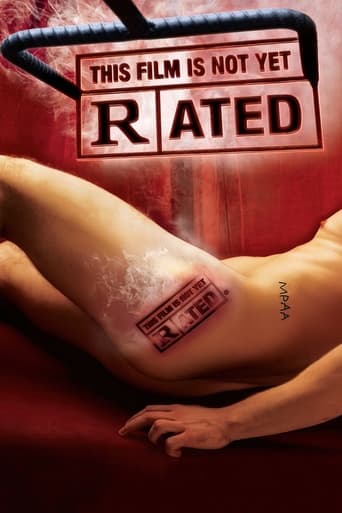
Kirby Dick's provocative documentary investigates the secretive and inconsistent process by which the Motion Picture Association of America (MPAA) rates films, revealing the organization's underhanded efforts to control culture. Dick questions whether certain studios get preferential treatment and exposes the discrepancies in how the MPAA views sex and violence.
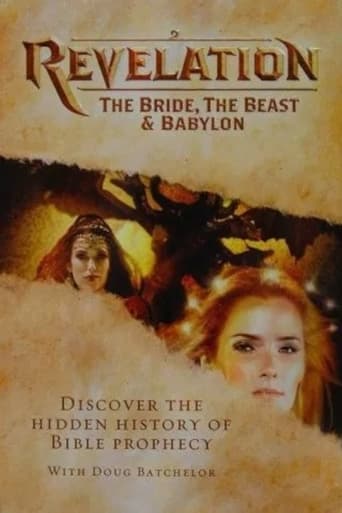
Going to the very heart of the Bible's most challenging Book, this one hour documentary decodes the visions of Revelation 12 and 17 for everyone to understand. Journeying from the birth of Christ through the Christian era, this amazing video pulls aside the veil of hidden history to reveal the rise of Babylon, the persecution of the bride of Christ, and the real-world identity of the beast. Educational and inspiring, Revelation delivers the keys to understanding the epic conflict between Christ and Satan and what it means for your life today.

Born in Berlin in 1896, Lotte Eisner became famous for her passionate involvement in the world of both German and French cinema. In 1936, together with Henri Langlois, she founded the Cinémathèque Française with the goal of saving from destruction films, costumes, sets, posters, and other treasures of the 7th Art. A Jew exiled in Paris, she became a pillar of the capital's cultural scene, where she promoted German cinema.

William Hart McNichols is a world renowned artist, heralded by Time magazine as "among the most famous creators of Christian iconic images in the world". As a young Catholic priest from 1983-1990 he was immersed in a life-altering journey working as a chaplain at St. Vincent's AIDS hospice in New York city. It was during this time that he became an early pioneer for LGBT rights within the Catholic church. "The Boy Who Found Gold" is a cinematic journey into the art and spirit of William Hart McNichols. The film follows his colorful life as he crosses paths with presidents, popes, martyrs, and parishioners, finding an insightful lesson with each encounter. McNichols' message as a priest, artist and man speaks to the most powerful element of the human spirit: Mercy.
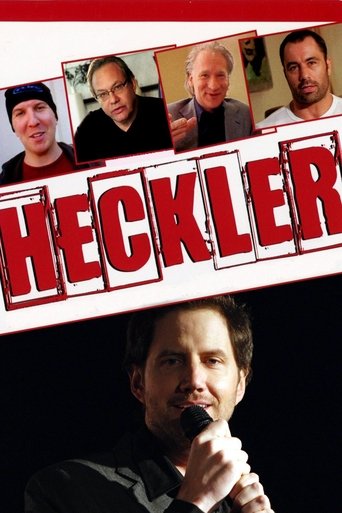
HECKLER is a comedic feature documentary exploring the increasingly critical world we live in. After starring in a film that was critically bashed, Jamie Kennedy takes on hecklers and critics and ask some interesting questions of people such as George Lucas, Bill Maher, Mike Ditka, Rob Zombie, Howie Mandel and many more. This fast moving, hilarious documentary pulls no punches as you see an uncensored look at just how nasty and mean the fight is between those in the spotlight and those in the dark.
A short documentary exploring the theatrical release of Just Jaeckin's Emmanuelle (1974) in Ontario, Canada, at the time of a major shift in its provincial film censorship regime. What followed was a new era in the Ontario government's uneasy dance with film, a debate over art and morality — not only about sex on screen, but about who gets to decide what is too much, too far, or too French.
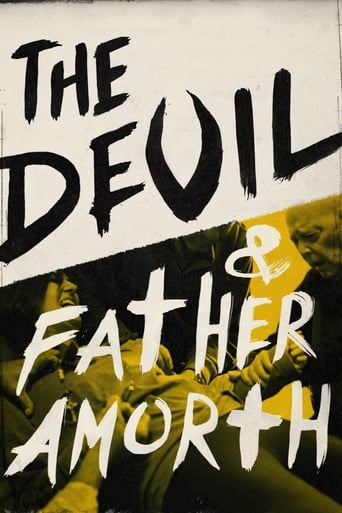
William Friedkin attends an exorcism with Father Gabriele Amorth, as he treats an Italian woman named Cristina for the ninth time. Prior to filming, Cristina had purportedly been experiencing behavioural changes and “fits” that could not be explained by psychiatry, and which became worse during Christian holidays.
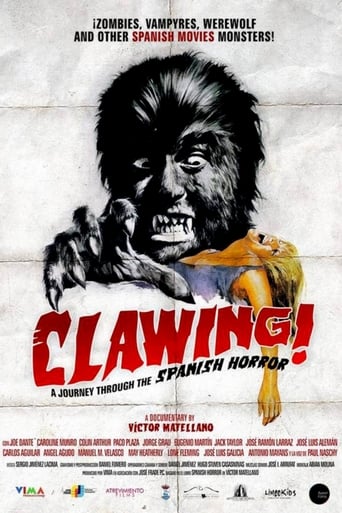
In the late sixties, Spanish cinema began to produce a huge amount of horror genre films: international markets were opened, the production was continuous, a small star-system was created, as well as a solid group of specialized directors. Although foreign trends were imitated, Spanish horror offered a particular approach to sex, blood and violence. It was an extremely unusual artistic movement in Franco's Spain.