


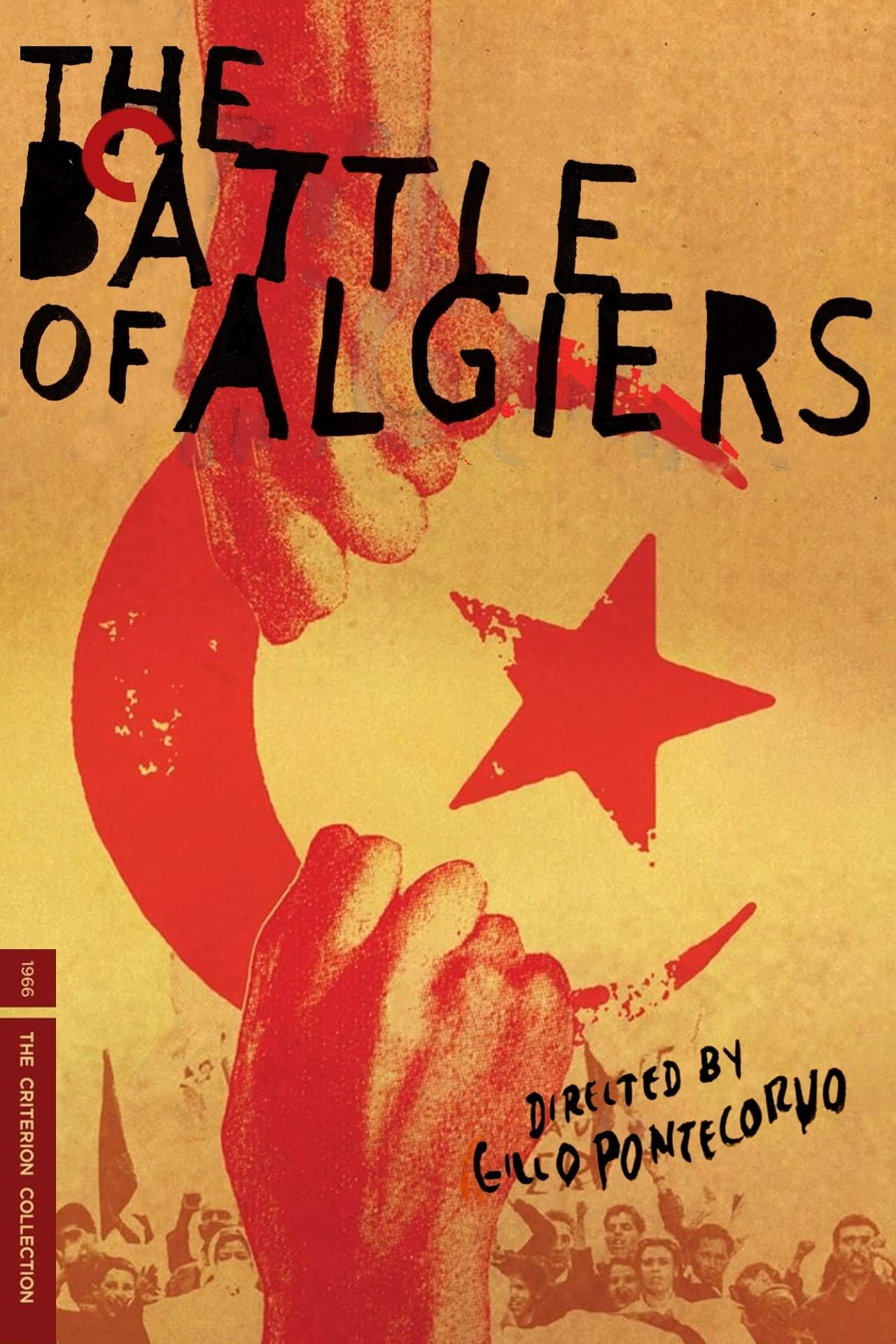
Five Directors On The Battle of Algiers
Documentary
Overview
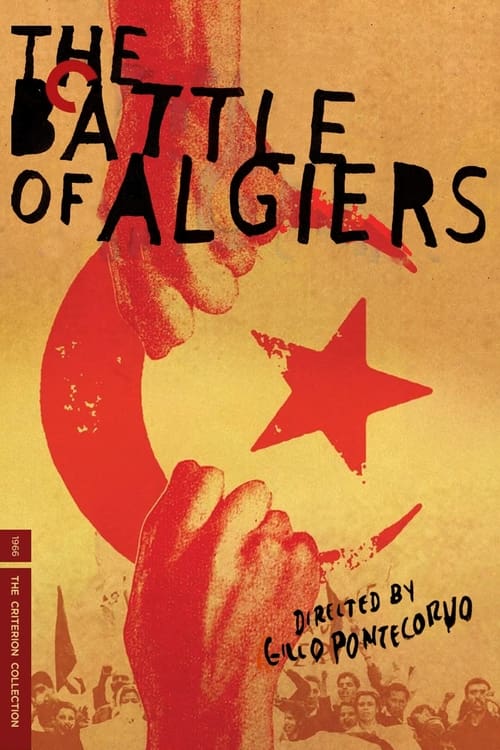
This 17-minute documentary is featured on the 3-Disc Criterion Collection DVD of The Battle of Algiers (1966), released in 2004. An in-depth look at the Battle of Algiers through the eyes of five established and accomplished filmmakers; Spike Lee, Steven Soderbergh, Oliver Stone, Julian Schnabel and Mira Nair. They discuss how the shots, cinematography, set design, sound and editing directly influenced their own work and how the film's sequences look incredibly realistic, despite the claim that everything in the film was staged .





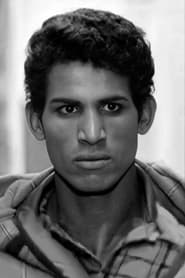
Brahim Hadjadj
Brahim Hadjadj
Ali La Pointe (archive footage)
Brahim Hadjadj
Ali La Pointe (archive footage)

Mohamed Ben Kassen
Mohamed Ben Kassen
Petit Omar
Mohamed Ben Kassen
Petit Omar

Spike Lee
Spike Lee
Self
Spike Lee
Self

Oliver Stone
Oliver Stone
Self
Oliver Stone
Self

Mira Nair
Mira Nair
Self
Mira Nair
Self

Steven Soderbergh
Steven Soderbergh
Self
Steven Soderbergh
Self

Julian Schnabel
Julian Schnabel
Self
Julian Schnabel
Self
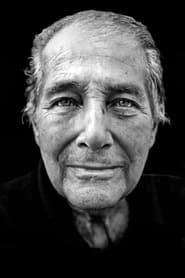
Gillo Pontecorvo
Gillo Pontecorvo
Self
Gillo Pontecorvo
Self
Similar Movies
Born on March 25, 1840, Gustave Guillaumet discovered Algeria by chance when he was about to embark for Italy. Over the course of his ten or eleven trips and extended stays, he established a familiarity with this space. Traveling through the different regions from north to south, he never ceases to note the differences. He is also the first artist, apart from Delacroix's Women of Algiers, to penetrate into female interiors and reveal the reality, far removed from the harem fantasies that reigned in his time. Fascinated by the country, its deserts and its inhabitants , going so far as to live like the Algerians, Gustave Guillaumet devoted his life and his painting to this country, breaking with the colorful and exotic representations of the time. The painting The Famine in Algeria, restored thanks to exceptional fundraising, was dictated by the events of the years 1865-1868, and well illustrates his knowledge of the country, in a manner that is at once demanding, sensitive and serious.
Orientalism is a literary and artistic movement born in Western Europe in the 18th century. Through its scale and popularity, throughout the 19th century, it marked the interest and curiosity of artists and writers for the countries of the West (the Maghreb) or the Levant (the Middle East). Orientalism was born from the fascination of the Ottoman Empire and followed its slow disintegration and the progression of European colonizations. This exotic trend is associated with all the artistic movements of the 19th century, academic, romantic, realistic or even impressionist. It is present in architecture, music, painting, literature, poetry... Picturesque aesthetics, confusing styles, civilizations and eras, orientalism has created numerous clichés and clichés that we still find today in literature or cinema.
Albert Camus died at 46 years old on January 4, 1960, two years after his Nobel Prize in literature. Author of “L'Etranger”, one of the most widely read novels in the world, philosopher of the absurd and of revolt, resistant, journalist, playwright, Albert Camus had an extraordinary destiny. Child of the poor districts of Algiers, tuberculosis patient, orphan of father, son of an illiterate and deaf mother, he tore himself away from his condition thanks to his teacher. French from Algeria, he never ceased to fight for equality with the Arabs and the Kabyle, while fearing the Independence of the FLN. Founded on restored and colorized archives, and first-hand accounts, this documentary attempts to paint the portrait of Camus as he was.
The Desert Rocker is an intimate, witty and profound portrait of the extraordinary Hasna El Becharia, a pioneer Gnawa artist. The first musician to break through the social barrier of this culture, she empowers and inspires women of all ages by reclaiming a musical tradition reserved for men for centuries . A singularly talented artist, she leads women to redefine their roles and challenge cultural norms , one musical performance at a time.
This film presents the point of view of an Arab from Algeria who rebels against colonization. He analyzes the process of awareness, the transition to revolt, to armed insurrection. Algeria and the settlers are seen through this lens and not the way a Frenchman saw the country. He gives voice to the Arabs at a time when this word was not heard: sometimes it was not even produced, at least publicly. The testimonies are based on real propositions, most of them were made to the author during his stay in Algeria from 1948 to 1956, then in 1958 and 1959. The comments are borrowed from the texts of Arab theorists of the revolution Algerian. This film thus completely evacuates the point of view of those who are not insurgents; he does not give the opinion of the colonists. It is the direct expression of what was the revolt of a colonized person: it thus constitutes the very type of the historical document.
Filmmaker Karim Aïnouz decides to take a boat, cross the Mediterranean, and embark on his first journey to Algeria. Accompanied by the memory of his mother, Iracema, and his camera, Aïnouz gives a detailed account of the journey to his father’s homeland, interweaving present, past, and future.
Immigrated to the Paris region since 1964, Kader decides to spend the summer holidays with his family in his native village, not far from Algiers. These few weeks, so eagerly awaited by both sides, constitute a special moment full of strong emotions. The camera follows the family in their meetings, their reunions, their difficulties, their visions of the country and its region, the celebrations, the weddings, their return to France… This film raises many questions. Within this family itself, between those who stayed in the country and those who emigrated to France, how do we perceive the situation in Algeria? What hopes do each of them have for their country? What about the Franco-Algerian relationship? Contemporary immigration? The desire for exile of Algerians today? Different discourses on both sides of the Mediterranean? The desires of each of them…
Overknee boots that triggered a fashion wave, a legendary shopping spree to the iconic theme song - the 1990 romantic comedy "Pretty Woman" by Garry Marshall starring Julia Roberts and Richard Gere is still the genre's biggest box office hit. The modern fairytale about a rich man who falls in love with a prostitute and rescues her made millions dream and made 22-year-old Julia Roberts famous overnight.
Who remembers Mohamed Zinet? In the eyes of French spectators who reserve his face and his frail silhouette, he is simply the “Arab actor” of French films of the 1970s, from Yves Boisset to Claude Lelouch. In Algeria, he's a completely different character... A child of the Casbah, he is the brilliant author of a film shot in the streets of Algiers in 1970, Tahya Ya Didou. Through this unique work, Zinet invents a new cinema, tells another story, shows the Algerians like never before. In the footsteps of his elder, in the alleys of the Casbah or on the port of Algiers, Mohammed Latrèche will retrace the story of Tahya Ya Didou and its director.