










Mario Alarcón
Mario Alarcón
Presidente Illia
Mario Alarcón
Presidente Illia

Fernando Miró
Fernando Miró
General Alsogaray
Fernando Miró
General Alsogaray
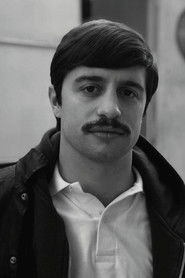
Manuel Caponi
Manuel Caponi
Aliberto Rodrigañez Ricchieri
Manuel Caponi
Aliberto Rodrigañez Ricchieri

Candelaria Tarelli
Candelaria Tarelli
Joven Secretaria
Candelaria Tarelli
Joven Secretaria

Favio Pastorino
Favio Pastorino
Coronel Perlinger
Favio Pastorino
Coronel Perlinger
Facundo De Matteo
Facundo De Matteo
Miguel Angel Lopez
Facundo De Matteo
Miguel Angel Lopez
Rocío Passarelli
Rocío Passarelli
Emma Illia
Rocío Passarelli
Emma Illia
Similar Movies
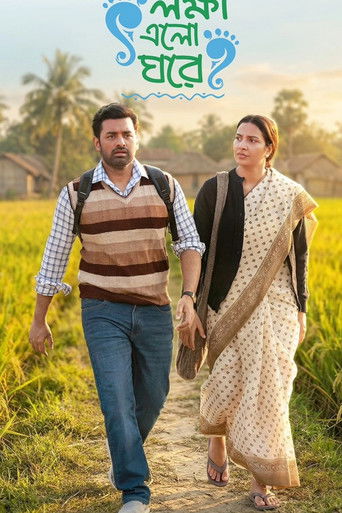
“Lokkhi Elo Ghore” is a socially rooted film that captures the everyday struggles and resilience of women across Bengal. It tells the story of a widowed woman who, after facing profound personal loss and economic hardship, gradually rebuilds her life with courage, dignity, and determination. The narrative reflects how timely institutional support and welfare interventions can enable self-reliance, restore confidence, and create pathways to social and economic empowerment. Through a deeply human lens, the film highlights the transformative impact of last-mile delivery of welfare schemes. At its core, “Lokkhi Elo Ghore” is a story of hope, resilience, and the quiet strength of women.
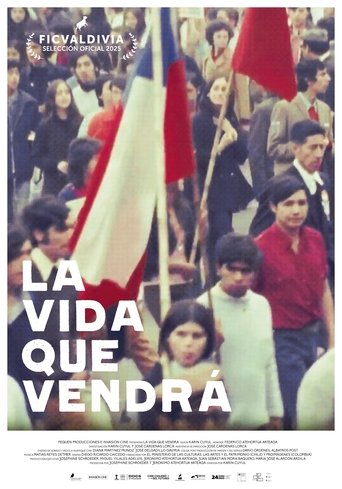
This documentary, made entirely of archival footage shot mainly by amateurs, revisits 50 years of Chilean history. A fascinating lesson in memory, this personal montage adopts a popular, even fringe, perspective to help write a more complete national memory. As the filmmaker asserts in her narration, there’s the history we’re told, the history we live, and the history we tell ourselves. Between the coup d’état of September 11, 1973, and the recent double failure of the new constitution project, this film shows that the people of Chile have long oscillated between excitement and disappointment, accumulating shattered hopes. Rejecting the pessimism that would trap us in collective immobility, Karin Cuyul instead draws on the past to ask how we can continue to dream of the necessary social and political changes.