

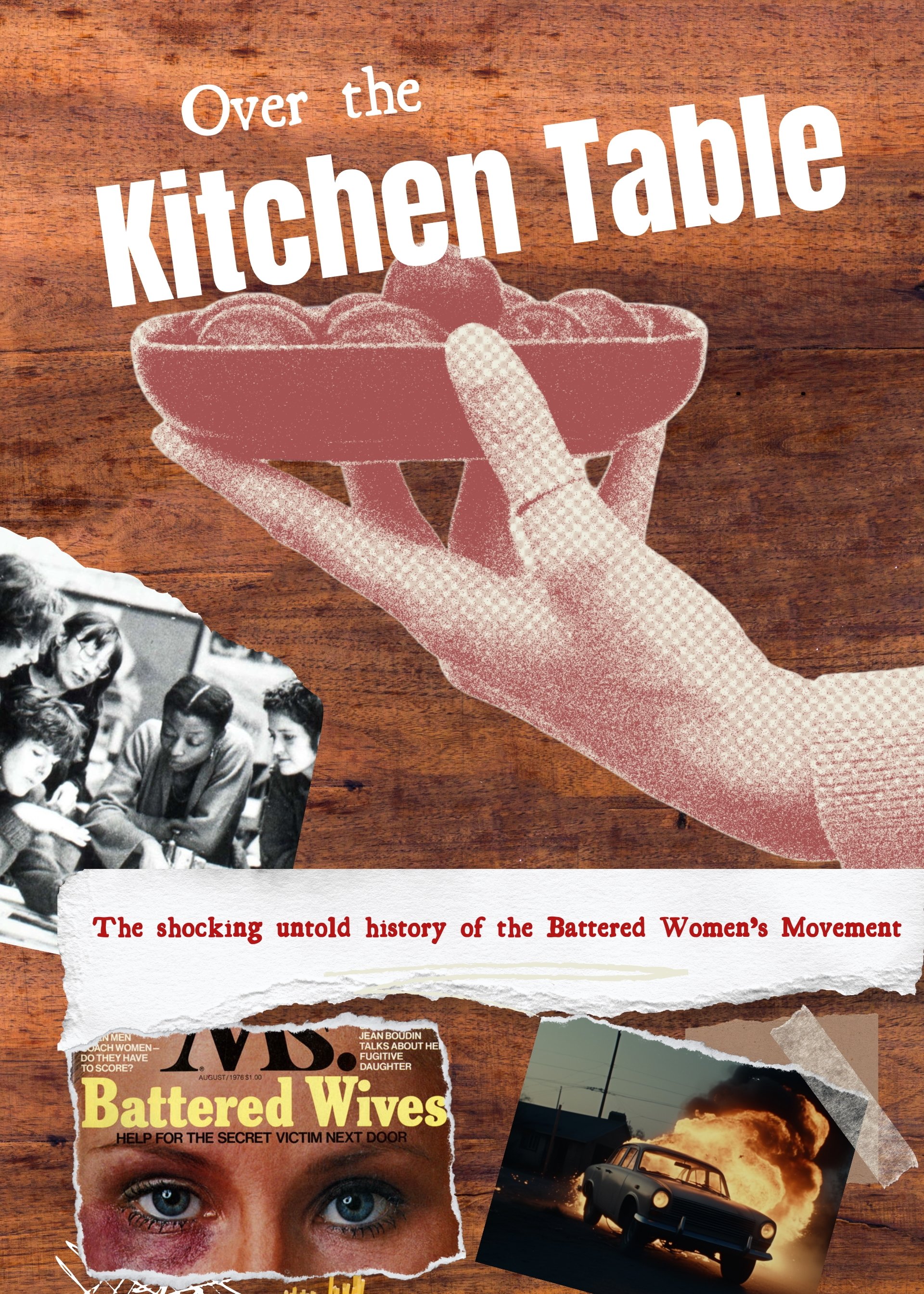
Over the Kitchen Table
Documentary
Overview
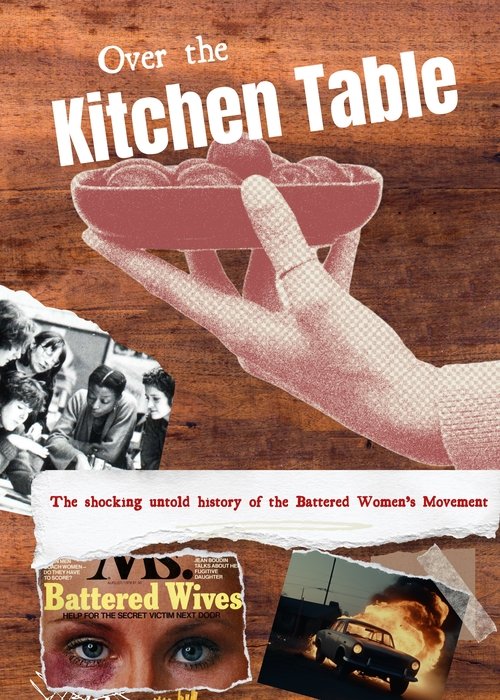
After years of being silenced through violent opposition, Norma Burton, one of the key founders of the first women’s shelter in Tulsa, OK, tells an untold story of the battered women's movement. In the late 1970s and early 1980’s LGBTQ, BIPOC, and formerly abused women across the US gathered in secret to create a grassroots movement that became today's National Coalition Against Domestic Violence, despite persecution and death threats. Norma recounts to her daughter, director Nisha Burton, how she and her collaborators alerted the police of rising cases of domestic violence and ultimately decided to take matters into their own hands by conducting support gatherings in their homes around the kitchen table. These meetings led to the founding of the first battered women’s shelter in Tulsa, OK in 1975. The years that followed were filled with harassment and verbal and physical attacks on Norma and fellow organizers, but today these courageous advocates continue to support the movement.
Top Cast








Norma Burton
Norma Burton
Herself
Norma Burton
Herself
Nisha Burton
Nisha Burton
Herself
Nisha Burton
Herself
Similar Movies
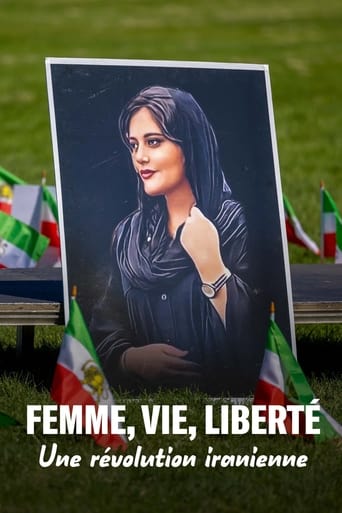
On September 16, 2022, in Teheran, the murder by police of the young Mahsa Amini, arrested for "wearing a headscarf contrary to the law", sparked off an unprecedented insurrection. Within hours, a spontaneous movement formed around the rallying cry: "Woman, life, freedom". For the first time, women, joined by men and students, took the initiative and removed their veils, the hated symbol of the Islamic Republic. The Iranian population, from all regions and social categories, rose up in protest. Social networks went wild. The diaspora (between 5–8 million Iranians) took up the cause, and the whole world discovered the scale of this mobilization: could the theocratic regime be overthrown this time?

This documentary is about sexism and masculinity. It’s also a journey through reflections on male condition, an attempt to strip away beliefs, myths and prejudices about masculinity. Why is there violence against women? We try to answer that by the hand of a former pimp trapped by his past and an artist, son of a prostitute, who transforms his pain into provocative performances. In parallel, the class of a high school teacher and a team of publicists become debate scenarios on the same theme, while interspersed reflections of several influential men who address the issue of masculinity from multiple points of view. A rich and complex approach that invites us to reflect on our own gender related education and socialization.
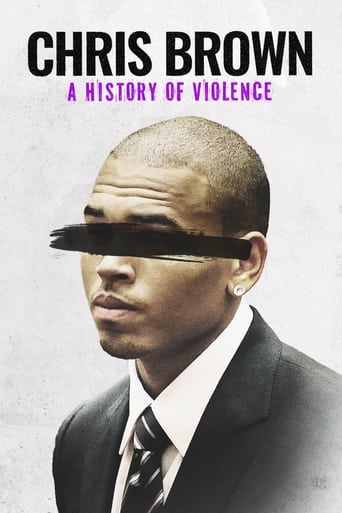
A biographical documentary that delves into the controversial personal life of iconic singer Chris Brown, charting his journey from a troubled childhood to global superstardom. It explores his violent public record, including allegations of domestic violence, assault charges and sexual misconduct, while questioning how a man with such a turbulent history maintains his celebrity status. With expert and cultural commentary layered throughout, the film offers thoughtful reflections on the cycle of abuse and its lasting psychological impact, shedding light on the experiences of survivors and the aftermath of their trauma.

For over thirty years, three women have languished in Missouri State prison under unjust sentences for killing their abusive husbands. Denied the opportunity to enter the abuse into evidence, each of the women represents a system broken by outdated and media-sensationalized stereotypes. When a greater understanding of the "battered" syndrome change legal practices in 2000, Missouri's Governor crafts a new law demanding the parole board reevaluate each woman's case.

Behind the closed doors of the Copenhagen-based women's shelter, the women and children are slowly recovering after having escaped domestic violence. Day by day the women are processing their traumas, building confidence and slowly understanding what it takes to break the cycle of violence.

Béatrice Dalle, Lio, Brigitte Fontaine, Corinne Masiero, Aïssa Maïga, Virginie Despentes, Maria Schneider, Gisèle Halimi, Juliette Gréco, and Adèle Haenel—these women lived on their own terms, defying conventions and embracing lives often deemed "scandalous." Labeled frivolous, hysterical, or simply too free and too loud, they faced criticism yet used controversy as a force for change, challenging norms and advancing women's rights. This documentary retraces seventy years of their bold and unconventional journeys, telling the story of the fearless women who shaped history and fought for a more equal world.

This documentary is a sad sight of the reality of child abuse victims who now live in public shelters in Brazil, with stories told by themselves. Children and adolescents who are now in shelters were victims of violence. Most were the victim of the own family and others never knew theirs. The years are passing and the childhood and adolescence of them also ...