

Woman, Life, Freedom: An Iranian Revolution
Documentary · History
Overview
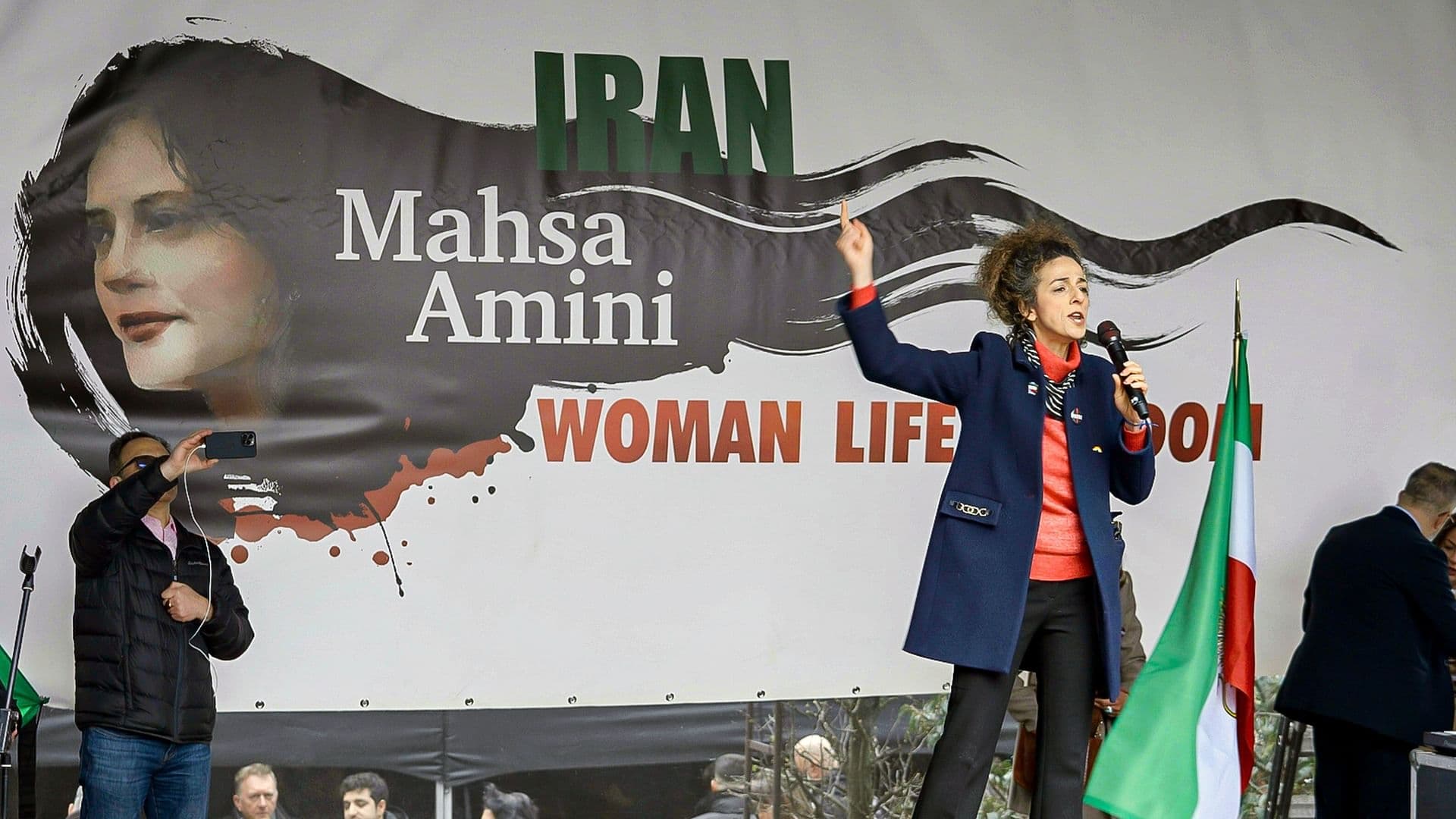
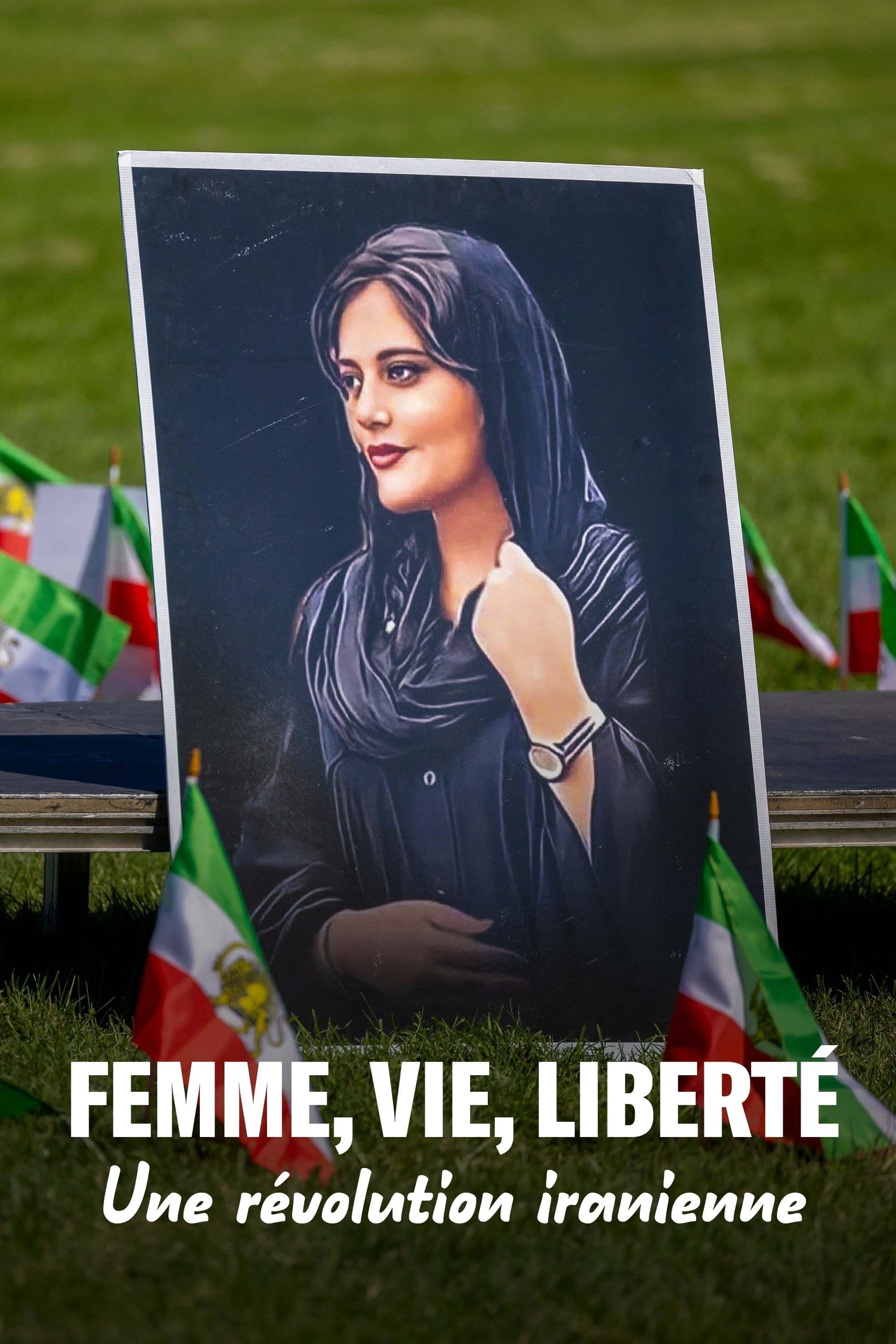
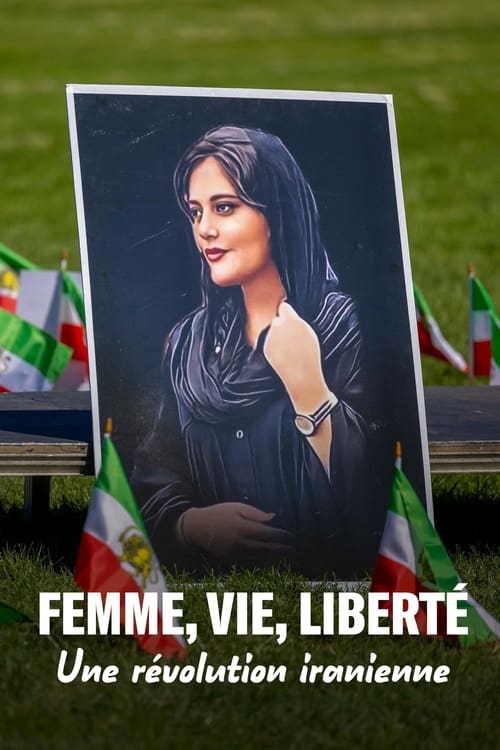
On September 16, 2022, in Teheran, the murder by police of the young Mahsa Amini, arrested for "wearing a headscarf contrary to the law", sparked off an unprecedented insurrection. Within hours, a spontaneous movement formed around the rallying cry: "Woman, life, freedom". For the first time, women, joined by men and students, took the initiative and removed their veils, the hated symbol of the Islamic Republic. The Iranian population, from all regions and social categories, rose up in protest. Social networks went wild. The diaspora (between 5–8 million Iranians) took up the cause, and the whole world discovered the scale of this mobilization: could the theocratic regime be overthrown this time?
Top Cast






Golshifteh Farahani
Golshifteh Farahani
Self
Golshifteh Farahani
Self
Similar Movies
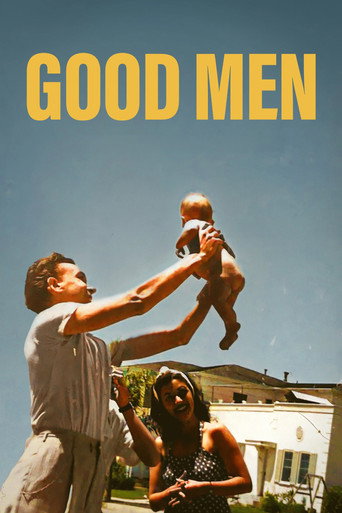
After the birth of his grandson, Bobby Roth undertakes a cinematic investigation as to what constitutes being a "good man" in today's world. This voyage of discovery leads him to interview more than fifty of his friends, both men and women who he considers to be "good people," about their views on everything from how they were parented to their thoughts on feminism, change, and regrets they might have. Their answers both surprises and enlighten both the viewers and Bobby, himself.
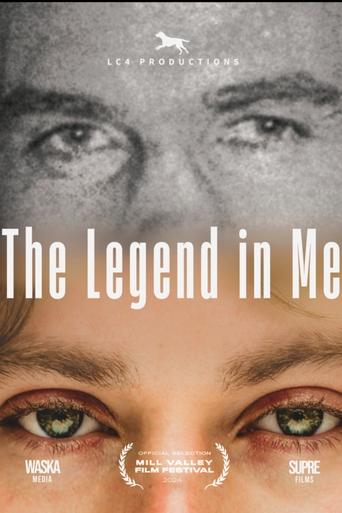
Living in the shadow of Canadian sports legend Lionel Conacher (1900–1954), whose legacy spans five sports, is a daunting challenge for any relative. For great-grandchild Lionel IV, better known as Chas, that challenge extends beyond athletics into the realm of self-discovery. As a non-binary individual navigating identity in the 21st century, Chas explores both the weight of their family’s star-athlete lineage and the evolving landscape of queer identity in a documentary that bridges nostalgia with forward-looking reflection.
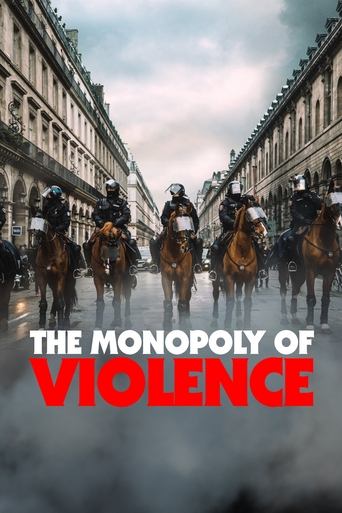
As anger and resentment grow in the face of social inequalities, many citizens-led protests are being repressed with an ever-increasing violence. In this documentary, David Dufresne gathers a panel of citizens to question, exchange and confront their views on the social order and the legitimacy of the use of force by the State.
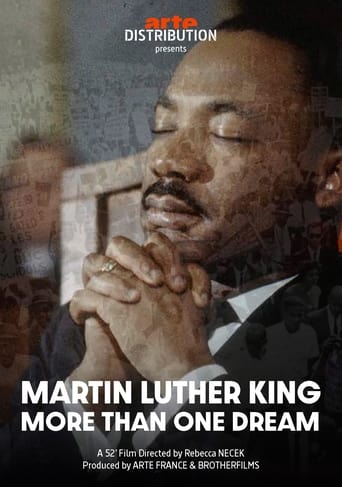
The real dream of the American pastor Martin Luther King was never limited to civil rights. He hoped for a just America, where poverty would no longer have a place. Social equality was for him the only guarantee of a true emancipation. During the last four years of his life, he mobilized all his energy to realize this "other dream". But there were many obstacles: he was scorned by white, racist America, abandoned by the political class, but also by some of his own people, who decided to turn their backs on the principle of non-violence.
A study of Tennessee Williams's life and work as a whole, ranging from his youth in Mississippi and in St. Louis to success and acclaim, followed by the final difficult years. Includes some of the most celebrated scenes from film adaptations of Williams' work, among them extracts of A Streetcar Named Desire (1951),Cat on a Hot Tin Roof (1958), Night of the Iguana, The (1964), and Suddenly, Last Summer (1993) (TV). Contains footage of Williams being interviewed, including conversations with David Frost, 'Edward R. Murrow (I)', and Melvyn Bragg, as well as reminiscences from people who knew and worked with him, among them Edward Albee, Gore Vidal, and his lifelong friend, Lady Maria St. Just. Features readings from Elia Kazan's Notebook by Kim Hunter.
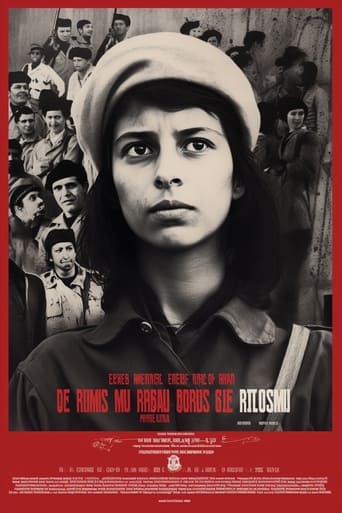
"Jeunesse Rouge" is a documentary exploring young French Communist revolutionaries fighting for a just and equal society. The film follows their organizing and mobilizing, while delving into the history of the Communist movement in France. Archival footage and interviews with activists show their passionate commitment, from protests and strikes to political education. It highlights the power of youth activism and their potential to bring about change in the face of systemic inequality.
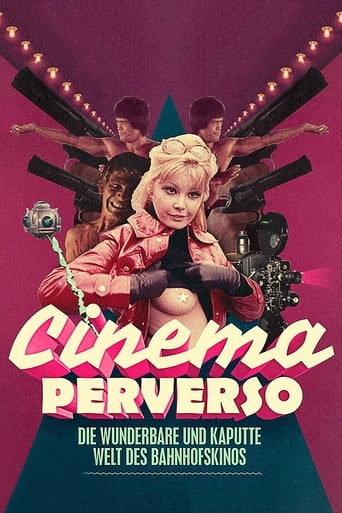
Before there were home video formats and the internet, the “Bahnhofskinos” (“Train station cinemas”) in West Germany regularly showed trash and erotica movies. Various filmmakers and especially contemporary witnesses recount in the documentary “Cinema Perverso – the wonderful and broken world of Bahnhofskino” their experiences and impressions.
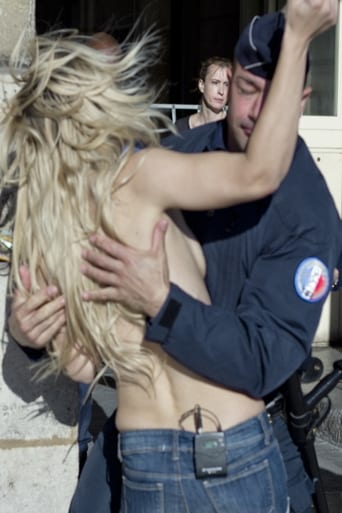
Born in Ukraine in 2008 in the wake of the "Orange Revolution," the feminist movement Femen fights for democracy, freedom of the press, women's rights, and against corruption, prostitution, sexism, racism, poverty, and religion. The activists quickly caught the attention of the media with their shocking protests. In 2012, at the creation of Femen France, Caroline Fourest followed their actions. They notably affirmed their support for "Marriage for All" by protesting on November 18, 2012, during the demonstration organized by the Civitas Institute against the bill, provoking sharp clashes.