

You Can't Squeeze Blood Out Of A Turnip
Documentary
Overview
Les Blank brings us the life and work of self-taught, visual artist Butch Anthony, who hails from the small town of Seale in Southeastern Alabama. Butch is a rare individual with a unique ability to see the potential in objects that others take for granted. He is considered one of the top naïve artists in Alabama, and, as his artwork is shown in museums around the country, he is becoming a national treasure. Blank’s camera follows Butch to various folk art festivals around the South, visiting the friends and artists who inspired him to create art. Blank also observes Butch’s life in Alabama’s rural landscape. From ‘coon hunting to “calling up” alligators and digging up fossils, Butch Anthony shows us a South not known to many outsiders.
Top Cast






Butch Anthony
Butch Anthony
Self
Butch Anthony
Self
Similar Movies
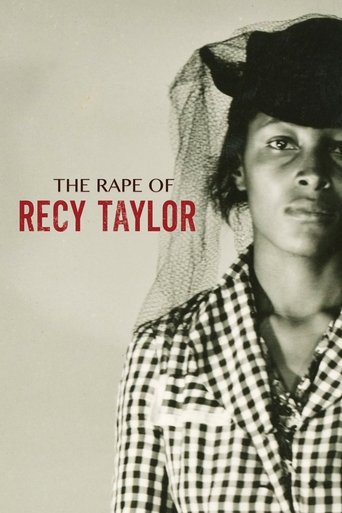
Recy Taylor, a 24-year-old black mother and sharecropper, was gang raped by six white boys in 1944 Alabama. Common in Jim Crow South, few women spoke up in fear for their lives. Not Recy Taylor, who bravely identified her rapists. The NAACP sent its chief rape investigator Rosa Parks, who rallied support and triggered an unprecedented outcry for justice. The film exposes a legacy of physical abuse of black women and reveals Rosa Parks’ intimate role in Recy Taylor’s story.
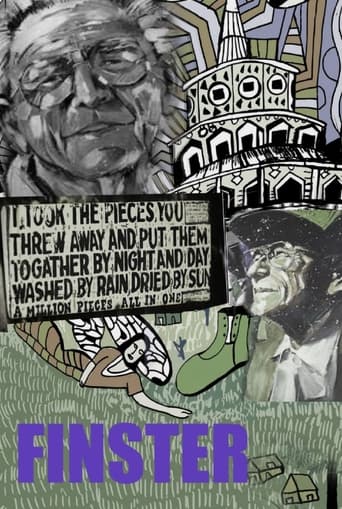
Howard Finster, the grandfather of the Southern Folk Art movement was a pioneer that showed the world that Art can thrive outside of museums and galleries in ordinary places and in everyday objects. He took what others might deem trash or obsolete and turned it into something contemplative. He opened Paradise Garden for the world to enjoy, a true testament that Art comes to life, when people are able to interact with it. Howard Finster showed the world that objects surrounding us can take on a new life, in a sometimes-magical way, and communicate messages that can lead to transformation.
"I especially hope to inspire young women, because I often feel like so much emphasis is put on how beautiful you are, and how thin you are, and not a lot of emphasis is put on what you can do and how smart you are. I'd like to change the emphasis of what's important when looking at a woman." Filmed in San Francisco in 2000, Margaret Kilgallen (1967-2001) discusses the female figures she incorporated into many of her paintings and graffiti tags. Loosely based on women she discovered while listening to folk records, watching buck dance videos, or reading about the history of swimming, Kilgallen painted her heroines to inspire others and to change how society looks at women. Three of Kilgallen's heroines—Matokie Slaughter, Algia Mae Hinton, and Fanny Durack—are shown and heard through archival recordings. Kilgallen is shown tagging train cars with her husband, artist Barry McGee, in a Bay Area rail yard and painting in her studio at UC Berkeley (source: Art21).
Follow four young women as they prepare to rush at the University of Alabama in 2022. Against the viral backdrop of #BamaRush on TikTok, and the long-held tradition of sorority recruitment at the University of Alabama, the film explores the emotional complexities and high-stakes of belonging in this crucial window into womanhood.