

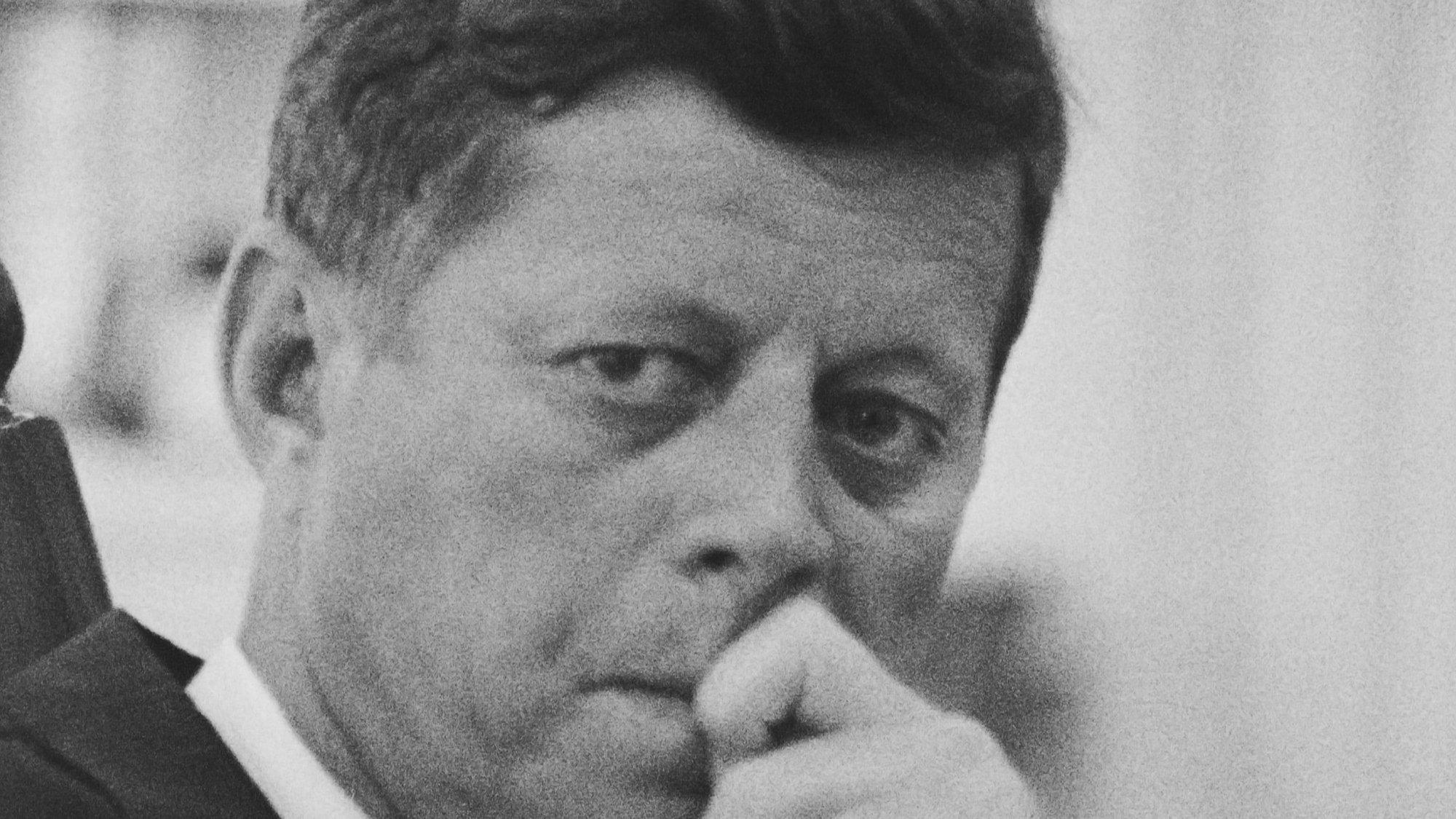

Crisis: Behind a Presidential Commitment
Documentary
Overview
During a two-day period before and after the University of Alabama integration crisis, the film uses five camera crews to follow President John F. Kennedy, attorney general Robert F. Kennedy, Alabama governor George Wallace, deputy attorney general Nicholas Katzenbach and the students Vivian Malone and James Hood. As Wallace has promised to personally block the two black students from enrolling in the university, the JFK administration discusses the best way to react to it, without rousing the crowd or making Wallace a martyr for the segregationist cause. Preserved by the Academy Film Archive in partnership with The Film Foundation in 1999.






James Lipscomb
James Lipscomb
Narrator
James Lipscomb
Narrator
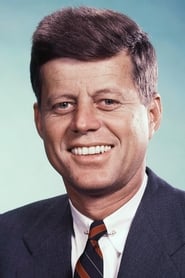
John F. Kennedy
John F. Kennedy
Self
John F. Kennedy
Self

George Wallace
George Wallace
Self
George Wallace
Self

Robert F. Kennedy
Robert F. Kennedy
Self
Robert F. Kennedy
Self
Vivian Malone
Vivian Malone
Self
Vivian Malone
Self
James Hood
James Hood
Self
James Hood
Self
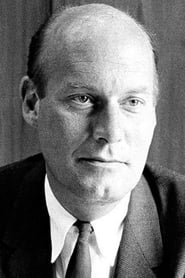
Nicholas Katzenbach
Nicholas Katzenbach
Self
Nicholas Katzenbach
Self
Similar Movies
Over forty years ago, one extraordinary American family moved into the most famous house in the world and changed the nature of the Presidency forever. With glamorous Hollywood good looks and two camera friendly children, the Kennedys helped to usher in a youth culture that affected every aspect of American life. From behind closed doors in the White House to intimate family vacations, photography and television took the American public behind-the-scenes into the lives of its most regal...but just how true were the images projected? Featuring photographs that have never been shown before, and rarely seen home movies, this probing documentary captures private moments with the most well-known First Family as well as recollections from former White House staff, journalists, photographers and biographers.
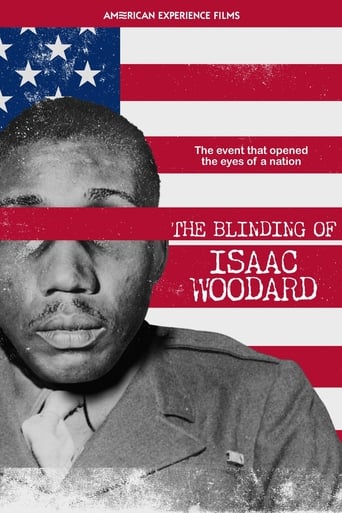
In 1946, Isaac Woodard, a Black army sergeant on his way home to South Carolina after serving in WWII, was pulled from a bus for arguing with the driver. The local chief of police savagely beat him, leaving him unconscious and permanently blind. The shocking incident made national headlines and, when the police chief was acquitted by an all-white jury, the blatant injustice would change the course of American history. Based on Richard Gergel’s book Unexampled Courage, the film details how the crime led to the racial awakening of President Harry Truman, who desegregated federal offices and the military two years later. The event also ultimately set the stage for the Supreme Court’s landmark 1954 Brown v. Board of Education decision, which finally outlawed segregation in public schools and jumpstarted the modern civil rights movement.
"Africa Light" - as white local citizens call Namibia. The name suggests romance, the beauty of nature and promises a life without any problems in a country where the difference between rich and poor could hardly be greater. Namibia does not give that impression of it. If you look at its surface it seems like Africa in its most innocent and civilized form. It is a country that is so inviting to dream by its spectacular landscape, stunning scenery and fascinating wildlife. It has a very strong tourism structure and the government gets a lot of money with its magical attraction. But despite its grandiose splendor it is an endless gray zone as well. It oscillates between tradition and modernity, between the cattle in the country and the slums in the city. It shuttles from colonial times, land property reform to minimum wage for everyone. It fluctuates between socialism and cold calculated market economy.
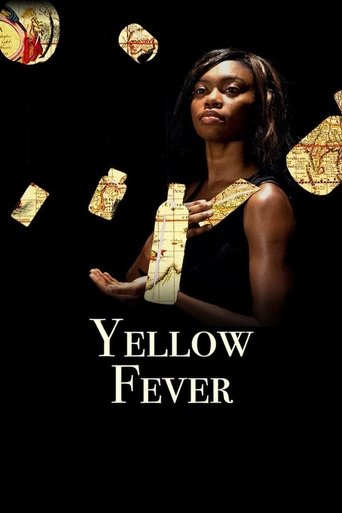
What does beauty look like? In this award-winning short, Kenyan filmmaker Ng’endo Mukii combines animation, performance, and experimental techniques to create a visually arresting and psychologically penetrating exploration of the insidious impact of Western beauty standards and media-created ideals on African women’s perceptions of themselves. From hair-straightening to skin-lightening, YELLOW FEVER unpacks the cultural and historical forces that have long made Black women uncomfortable, literally, in their own skin.