

The Corbett-Fitzsimmons Fight
Documentary
Overview
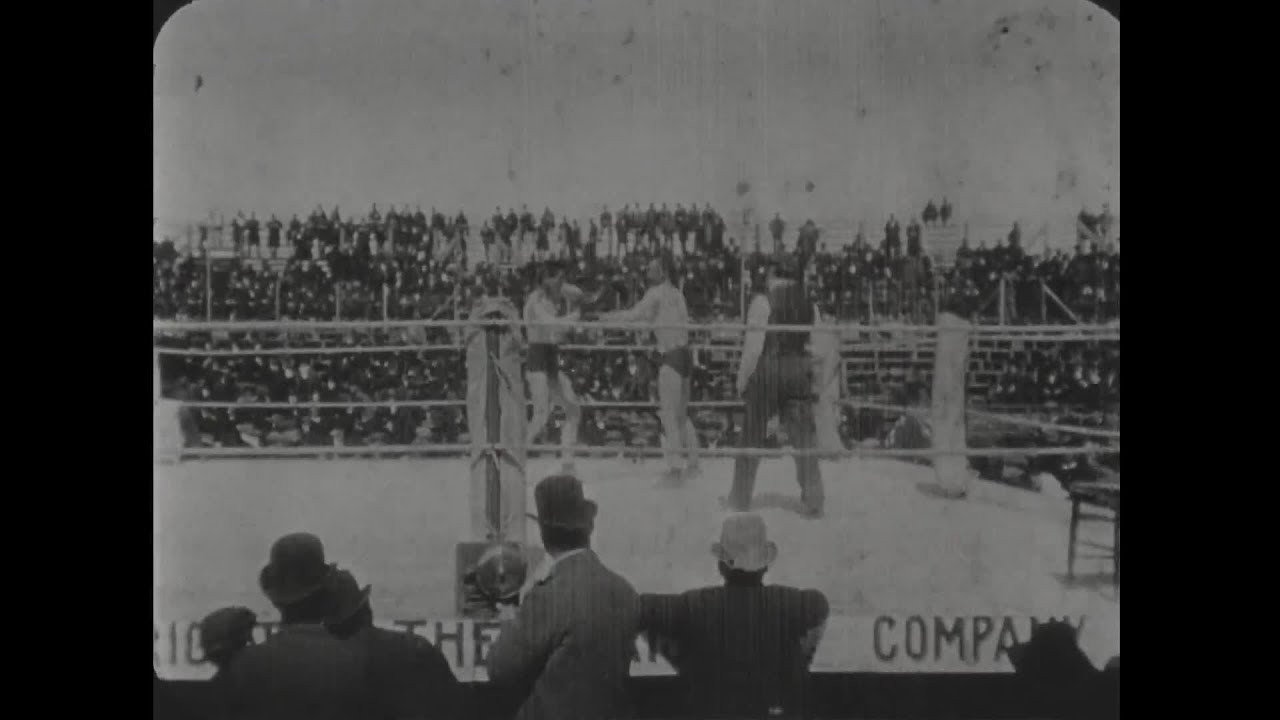
This legendary fight was filmed on March 17, 1897, using 63mm film that produced an aspect ratio of about 1.75:1. Using three adjacent cameras, Enoch Rector recorded the entire fight, simultaneously creating the world's first known feature film, as the resulting footage lasted over 90 minutes in length. About a quarter of the film survives today.


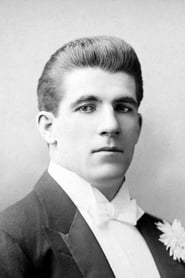
James J. Corbett
James J. Corbett
Himself
James J. Corbett
Himself
Bob Fitzsimmons
Bob Fitzsimmons
Himself
Bob Fitzsimmons
Himself
Billy Madden
Billy Madden
Himself - Sullivan's Manager
Billy Madden
Himself - Sullivan's Manager
George Siler
George Siler
Himself - Referee
George Siler
Himself - Referee
John L. Sullivan
John L. Sullivan
Himself - Master of Ceremonies
John L. Sullivan
Himself - Master of Ceremonies
Similar Movies
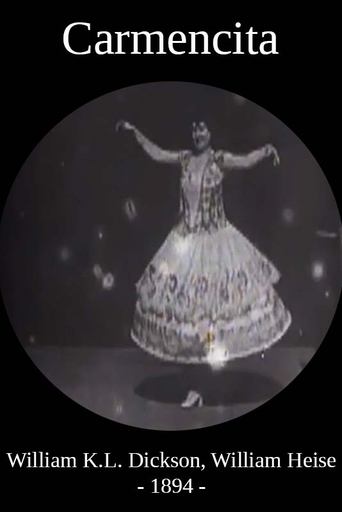
The first woman to appear in front of an Edison motion picture camera and possibly the first woman to appear in a motion picture within the United States. In the film, Carmencita is recorded going through a routine she had been performing at Koster & Bial's in New York since February 1890.
The remains of the Baltic Violence have been eroded away by the large steam excavator. There is a man standing at the railway cutting as trains pass. He throws something into the railway cutting. This person is seen in several of the recordings from 1913. It may be journalist Anker Kirkeby.

Documentary by Portuguese Silvino Santos, about the Amazon, its flora, fauna, its inhabitants and among other wonderful images from the beginning of the 20th century with alternating close-up shots of caimans, jaguars and tropical flora with footage of Indigenous rituals--including some of the earliest known moving images of the Indigenous Witoto people--and longer sequences showcasing the region’s extractive industries: rubber, the Brazil nut, timber, fishing, even the egret feathers that were a staple of women’s fashion at the time.
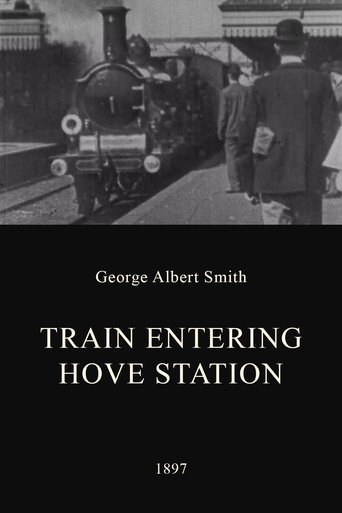
Most movie fans know that the first filmmakers liked to shoot trains entering stations. This example by Sussex film pioneer George Albert Smith illustrates why. The train's rush towards the audience brings movement and visual drama. The flurry of human activity offers plenty for the audience to engage with - who are these people and where are they going? And the time pressure exerted by the fact that the train must soon depart adds narrative tension - will everyone get on and off in time?