


Excretapolitics
Documentary
Overview
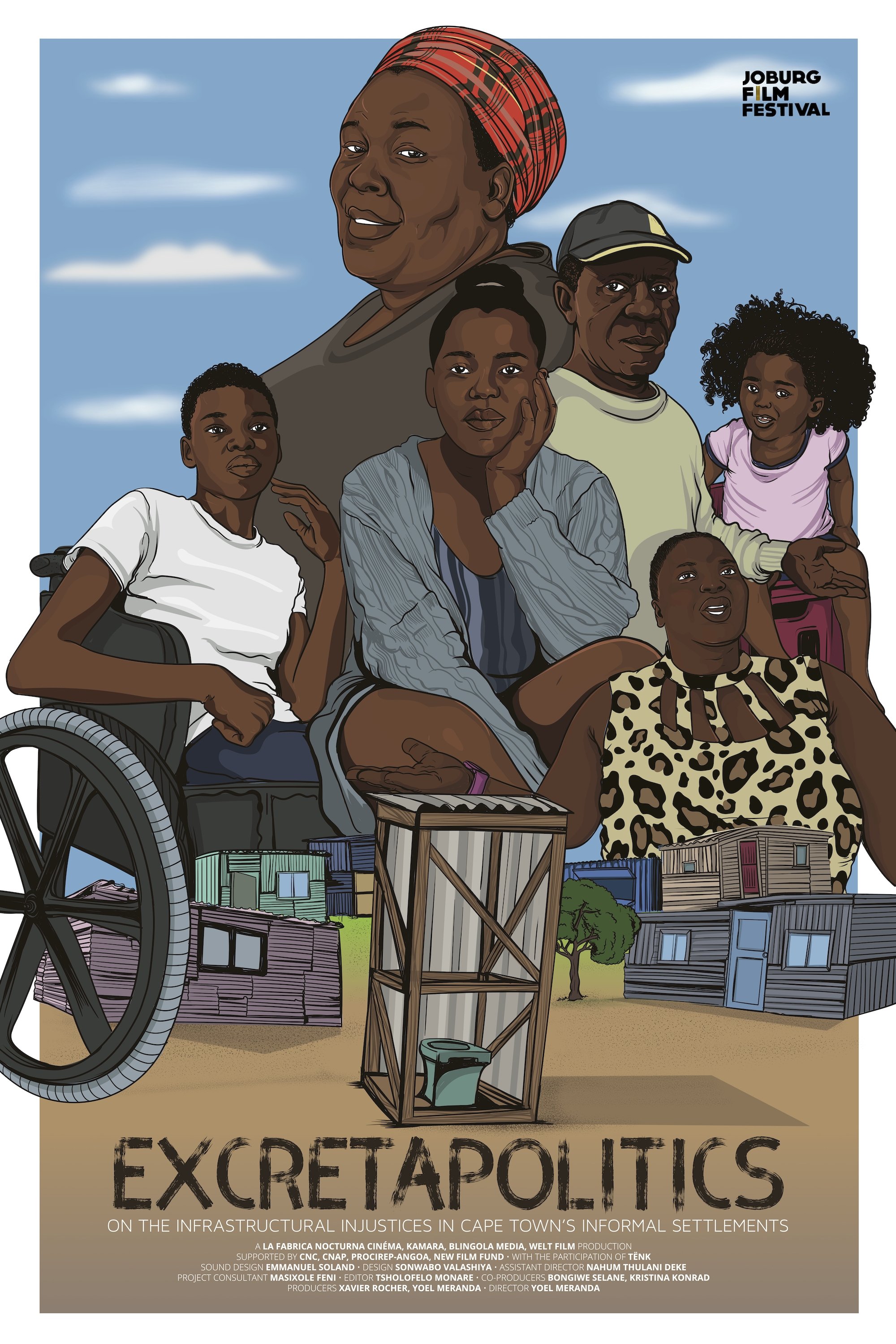
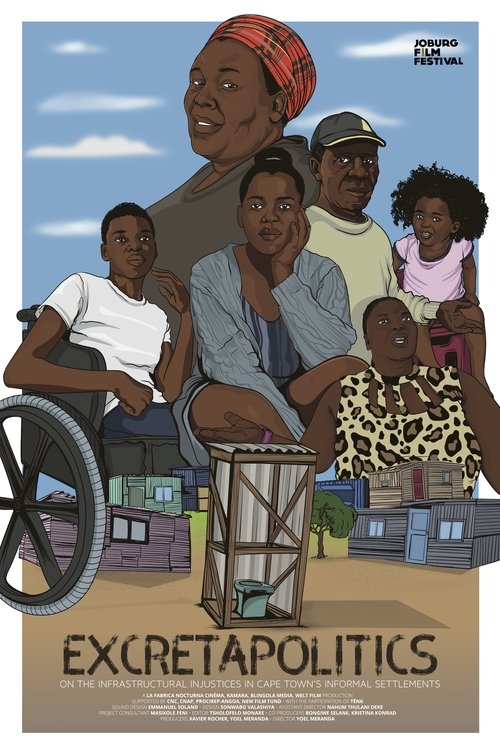
In Cape Town's informal settlements, created to segregate the racialized population during Apartheid, the South African government never built a sewage system, hence the absence of flush toilets. Each resident must therefore invent an individualized solution for disposing of his or her excrement. Excrétapolitiques is a documentary based on meetings with some twenty people who are fighting against this infrastructural injustice.
Top Cast

Nokonwaba Mbotshwa
Nokonwaba Mbotshwa
Nokonwaba Mbotshwa
Louisa Theron
Louisa Theron
Louisa Theron
Stjhaba Kolanchu (Sizwe)
Stjhaba Kolanchu (Sizwe)
Stjhaba Kolanchu (Sizwe)
Anezwa Fetile
Anezwa Fetile
Anezwa Fetile
Nosipho Klaas
Nosipho Klaas
Nosipho Klaas
Shadrack Shooter Dano
Shadrack Shooter Dano
Shadrack Shooter Dano
Singilizwe Booi
Singilizwe Booi
Singilizwe Booi
Zukiswa Qezo
Zukiswa Qezo
Zukiswa Qezo
Mike P Phindile
Mike P Phindile
Mike P Phindile
Lilitha Filane
Lilitha Filane
Lilitha Filane
Similar Movies
Discovering your womanhood at 33 when you're a feminist is like exploring a new continent as an adventurer. It sparks a desire to embark on a journey, to understand the world around us, to search for ourselves, over and over again. To engage in the new sexual revolution and trace the roots of sexism and gender, questioning whether sexual education in France can prevent future generations from the patriarchy. But are we ready to deconstruct everything?
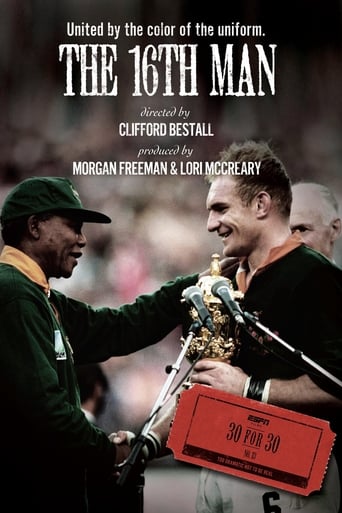
Rugby Union has long been viewed in South Africa as a game for the white population, and the country’s success in the sport has been a true source of Afrikaner pride. When the 50-year-old policies and entrenched injustices of apartheid were finally overthrown in 1994, Nelson Mandela’s new government began rebuilding a nation badly in need of racial unity. So the world was watching when South Africa played host to the 1995 Rugby World Cup. Though they had only one non-white player, the South African Springboks gained supporters of all colors as they made an improbable run into the final match where they beat the heavily favored New Zealand team. When Mandela himself marched to the center of the pitch cloaked in a Springbok jersey and shook hands with the captain of the South African team, two nations became one. Oscar winner Morgan Freeman and director Cliff Bestall will tell the emotional story of that cornerstone moment and what it meant to South Africa’s healing process.
The struggle to eradicate apartheid in South Africa has been chronicled over time, but no one has addressed the vital role music plays in this challenge. This documentary by Lee Hirsch recounts a fascinating and little-known part of South Africa's political history through archival footage, interviews and, of course, several mesmerizing musical performances.
A teaching film for social studies, which was developed as a new educational subject in 1947. At an elementary school in Hokkaido, children have started a fly extermination campaign to improve school hygiene. In order to eliminate the causes of flies, the entire town is working to improve the sanitary environment. The short was filmed with the cooperation of Mizukaido Elementary School in Joso City and is the first film in the "Social Studies Teaching Film System" by Iwanami Film Productions.
Hygienic habits are as old as the various human civilizations; but each era establishes its own customs: whether private or public, everywhere and at all times, methods of personal cleanliness have depended on cultural conventions, religious morals, political ideologies and economic interests; because the control of basic hygiene has also been and is one more tool in the infinite exercise of power over the masses.
In the year of Nelson Mandela’s centenary, Glasgow, Love and Apartheid is the story of one family’s fight against apartheid from Scotland and South Africa. Director, Dhivya Kate Chetty, follows her parents – a mixed, and once ‘illegal’, couple – on a trip back to South Africa where the family stories begin to unfold – protests, an uncle in jail, an ANC arms cache, a doctor on the run and a surprise connection with Mandela in hiding.
"In Wallis and Futuna, disability has long lived in the shadows. Invisible to the world, those affected were marginalized, deprived of genuine recognition and a place in society. Behind closed doors, shame and fear of judgment mingled with the pain of families convinced that a child with a disability was a curse. Today, these superstitions are gradually fading. But the wounds of the past remain, and the path to acceptance and inclusion is still long. On this archipelago, it is urgent to make up for lost time in terms of recognition, support, and dignity for every person with a disability."
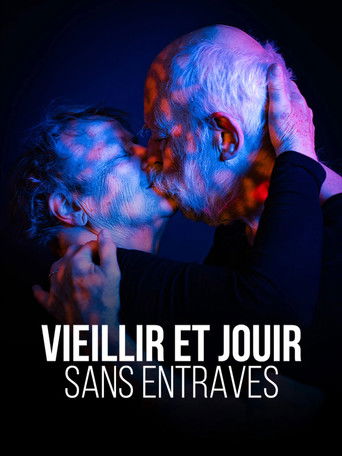
One of society’s last taboos is elderly desire, which remains strong for many: half of older adults remain sexual. Advances in medicine and lifestyle mean people in their 70s, 80s, or 90s can still explore and enjoy intimacy. Yet society often ignores this—aged bodies are deemed unattractive, and sexual desire beyond tenderness is stigmatized, sometimes leading to mistreatment in care homes where couples are separated. The documentary Vieillir et jouir sans entraves confronts this taboo. Featuring celebrities and real-life couples—including Francine and Marc (60 years together) and gay couple Jean-Marc and Alain (34 years together)—it explores aging bodies, love, sexuality, and the challenges of libido and illness. The film highlights initiatives supporting sexual expression for older adults, including LGBT-friendly housing and sex-positive care, urging society to rethink its view of aging intimacy.