

White Man Walking
Documentary
Overview
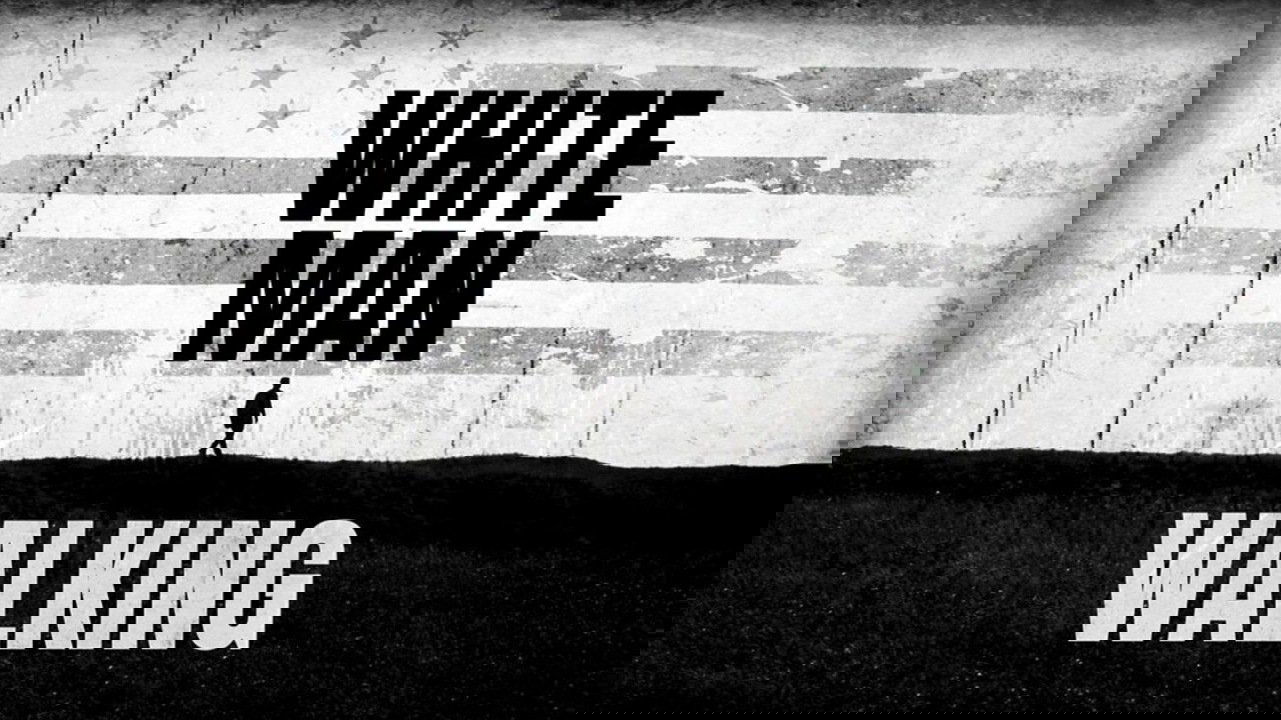
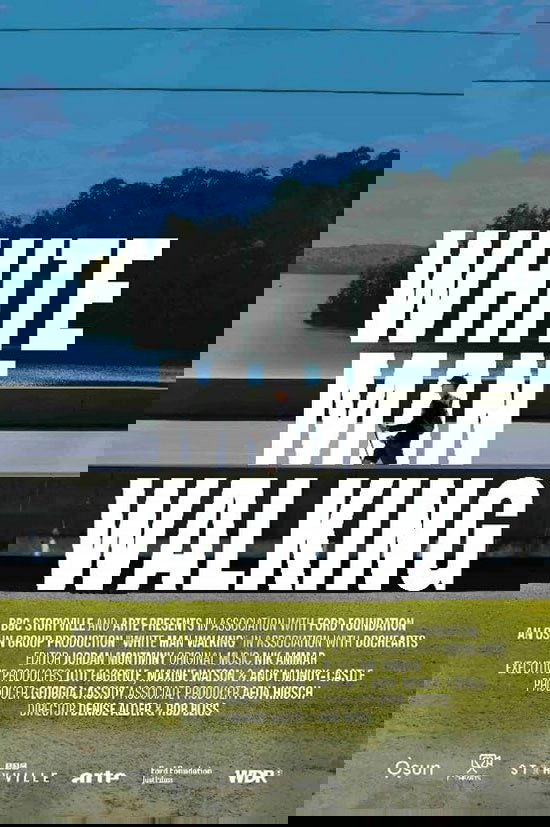
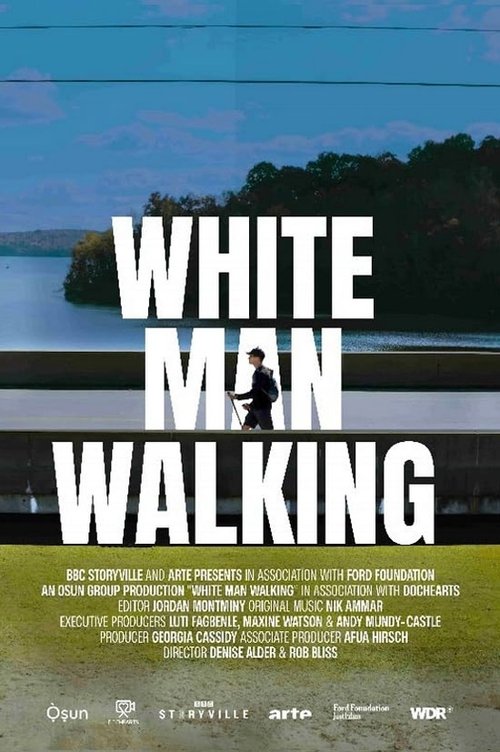
In July 2020, Rob Bliss, a young, white filmmaker, posted a video of what happened when he held up a ‘Black Lives Matter’ sign in Harrison, Arkansas, 'the most racist town in America'. It went viral, attracting 12 million views. What Bliss did next was remarkable. Over 1500 miles, two months and 25 miles a day, he set out to walk through the American South, wearing a Black Lives Matter t-shirt, and a sign that invited people to ‘come walk with me’. His goal was simple: to take the conversation Floyd’s murder had sparked about racism in American society into the places where it was most needed, yet most silent.
Top Cast




Rob Bliss
Rob Bliss
Self
Rob Bliss
Self
Similar Movies
In the spring of 1927, after weeks of incessant rains, the Mississippi River went on a rampage from Cairo, Illinois to New Orleans, inundating hundreds of towns, killing as many as a thousand people and leaving a million homeless. In Greenville, Mississippi, efforts to contain the river pitted the majority black population against an aristocratic plantation family, the Percys, and the Percys against themselves. A dramatic story of greed, power and race during one of America's greatest natural disasters.
In a behind-the-scenes look at the biggest political upset in recent history, Mark Halperin, John Heilemann and Mark McKinnon offer unprecedented access and never-before-seen footage of candidate Trump, from the primaries through the debates to the dawning realization that the controversial businessman will become the 45th President of the United States.
This film from Bill Moyers is the first documentary to focus exclusively on people formerly detained in New York City’s notorious Rikers Island Jail. They tell their compelling stories direct to the camera, revealing the violent arc of the Rikers experience – from the trauma of entry to extortion and control by inmates, to oppressive corrections officers, violence and solitary confinement.
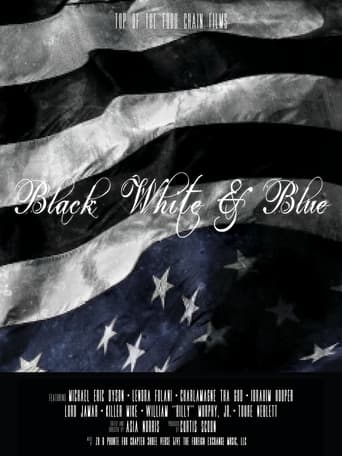
Black White & Blue covers race issues in America, police brutality, the Black Lives Matter movement, the Flint Water Crisis, and the 2016 election of President Donald Trump. The film features one-on-one interviews with notable African-Americans: Michigan Senator Coleman Young II, Baltimore attorney William "Billy" Murphy Jr., rapper Killer Mike, former NYPD Officer Michael Dowd and others.
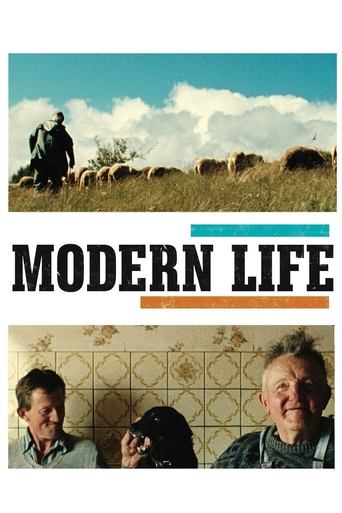
For ten years, Raymond Depardon has followed the lives of farmer living in the mountain ranges. He allows us to enter their farms with astounding naturalness. This moving film speaks, with great serenity, of our roots and of the future of the people who work on the land. This the last part of Depardon's triptych "Profils paysans" about what it is like to be a farmer today in an isolated highland area in France. "La vie moderne" examines what has become of the persons he has followed for ten years, while featuring younger people who try to farm or raise cattle or poultry, come hell or high water.

This is the story of an ordinary man transformed by history. A simple baker from Besançon who became a political symbol of resistance. That of a France that knows how much it needs others to grow. Of working classes rejecting the siren calls of populism. He says: "I was nothing and I became a monster" to express the vertigo of his transformation. And so the baker entered politics, visited the United States in the footsteps of Martin Luther King, brought aid to the Ukrainians, and ran for legislative elections. Fearless. Fighting with all his heart. It is this inspiring, touching, and funny human epic that Pedro da Fonseca's camera followed closely, capturing his doubts, his hesitations, and his emotions.

Born June 8, 1964, Frank Matter films four "twins", born the same day as him, but in other latitudes. Interweaving their life stories with rich archival material, the filmmaker links these Parallel Lives with elements from his own biography, to compose a fascinating fresco where intimate trajectories are part of the advent of the global village.
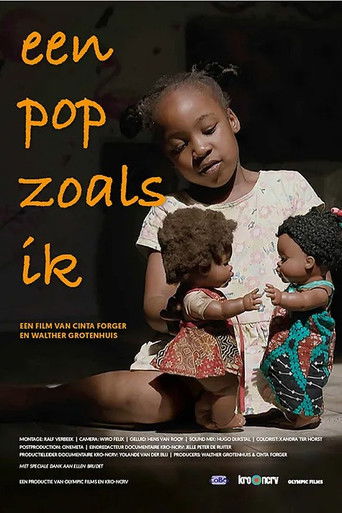
The Amsterdam doll shop Colorful Goodies sells Barbies, boy dolls, and cuddly dolls that every child can recognize; from dolls with different skin colors and professions, to dolls with disabilities. This documentary follows three families of color who take home a doll. What does such a doll mean for your self-image if you struggle with it because you are of color, or because you have to learn to live with albinism? Is our dominant white society as tolerant as we think?