

Box of Treasures
Documentary
Overview
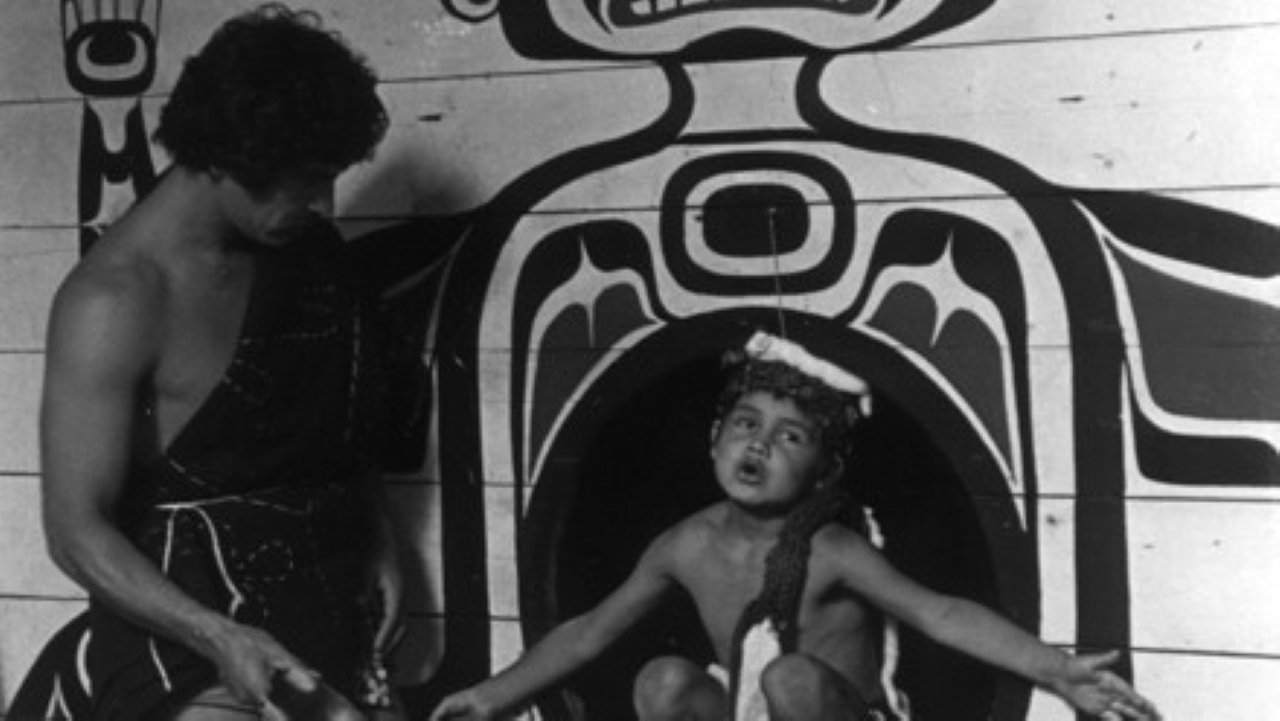
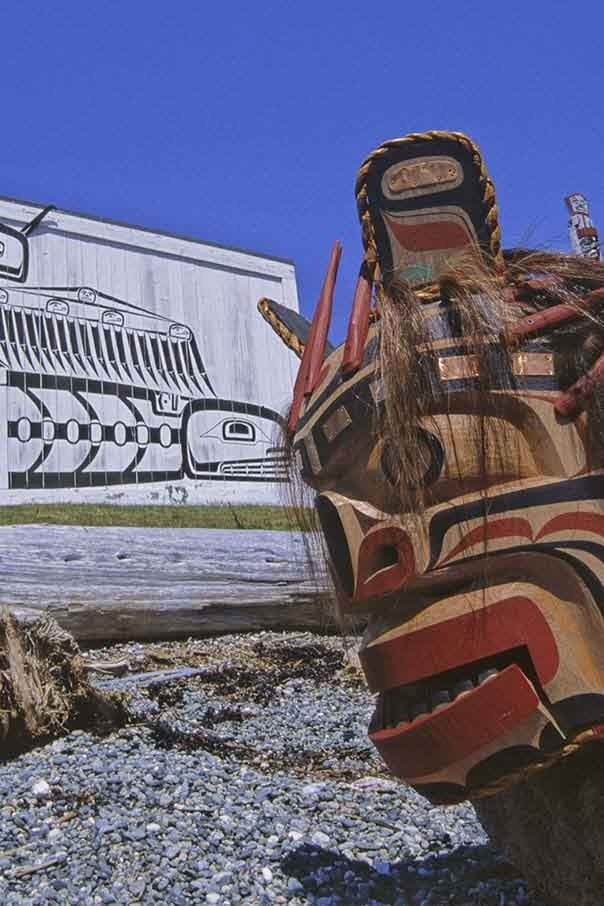
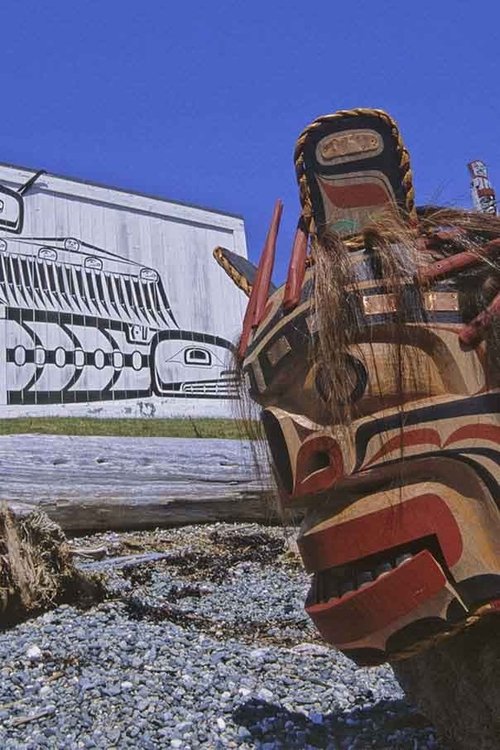
In 1921 the Kwakiut'l people of Alert Bay, British Columbia, held their last secret potlatch. In 1980 at Alert Bay, the U'mista Cultural Centre (U'mista means "something of great value that has come back") opened its doors to receive and house the cultural treasures which were seized decades earlier and only then returned to the people. The center also took up activities such as recording stories told by elders so that some part of the past would always be alive and teaching children about their heritage in order to make them feel connected to their ancestors. This film documents the cultural significance of these events for today's Kwakiut'l people. It is an eloquent testimony to the persistence and complexity of Kwakiut'l society and to the struggle for redefining cultural identity for them.
Top Cast


Robert Joseph
Robert Joseph
Narrator
Robert Joseph
Narrator
Similar Movies

Cuviví is the Ecuadorean indigenous name for the upland sandpiper, a wading bird that has special significance for the communities living around the Ozogoche lakes in the middle of the Andes. Each year, these birds migrate south from North America. Around September they pass the Ozogoche lakes, where large numbers then “commit suicide,” plunging from great heights into the ice-cold water. A girl lives near the lake. Her uncle lives in the US, and she might be heading there herself. In the meantime, she awaits the arrival of the cuvivís, few of which have appeared in recent years. The lakes are drying up.
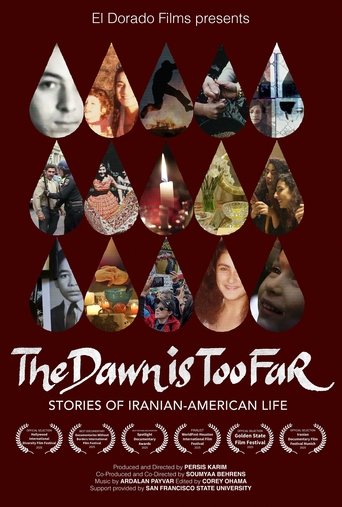
The Dawn is Too Far: Stories of Iranian-American Life poetically narrates the story of a community of Iranian Americans who have made the San Francisco Bay Area their home over the past five decades. The film explores Iranian immigration through turbulent histories of dissent, revolution, war, and separation, and the reinvention of identity in a new land and culture. The Dawn is Too Far highlights how Iranian students, activists, and artists have navigated displacement while drawing on and influencing Bay Area culture. This community offers a more nuanced story of the Iranian diaspora—the ways that this community enriches the region where they live, work, and build families. The Dawn is Too Far undermines the tired and overplayed news headlines that are dominated by narratives of enmity and mistrust between the government of Iran and the U.S., to offer a more humane understanding of the how people's lives and the sacrifices they make are part of the larger story of immigration.
In the late 1990s, some officers at Vancouver Police Department made a documentary film (THROUGH A BLUE LENS) about the everyday lives of six drug addicts in Vancouver's skid row, the Downtown Eastside. TEARS FOR APRIL reintroduces us to these six people; with footage shot over a period of nearly ten years, it continues their biography.
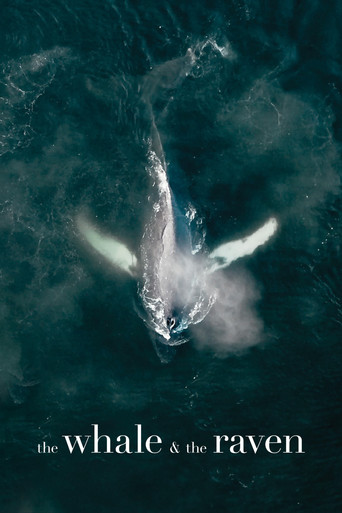
Director Mirjam Leuze’s The Whale and The Raven illuminates the many issues that have drawn whale researchers, the Gitga’at First Nation, and the Government of British Columbia into a complex conflict. As the people in the Great Bear Rainforest struggle to protect their territory against the pressure and promise of the gas industry, caught in between are the countless beings that call this place home.
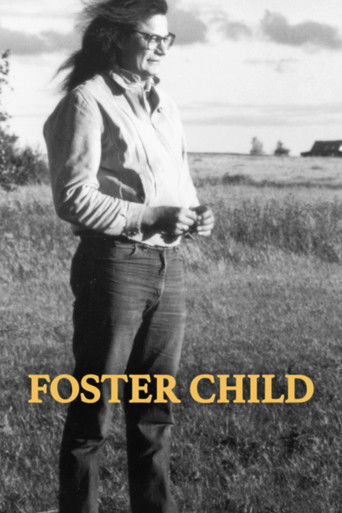
Gil Cardinal searches for his natural family and an understanding of the circumstances that led to his becoming a foster child. An important figure in the history of Canadian Indigenous filmmaking, Gil Cardinal was born to a Métis mother but raised by a non-Indigenous foster family, and with this auto-biographical documentary he charts his efforts to find his biological mother and to understand why he was removed from her. Considered a milestone in documentary cinema, it addressed the country’s internal colonialism in a profoundly personal manner, winning a Special Jury Prize at Banff and multiple international awards.
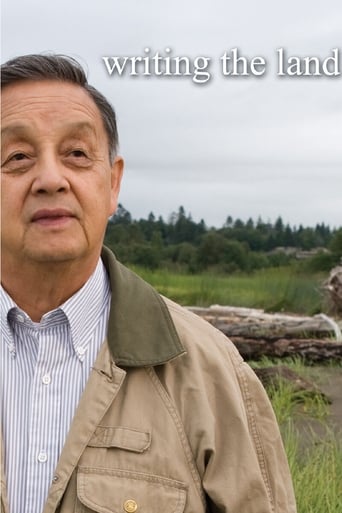
In this short documentary, a Musqueam elder rediscovers his Native language and traditions in the city of Vancouver, in the vicinity of which the Musqueam people have lived for thousands of years. Writing the Land captures the ever-changing nature of a modern city - the glass and steel towers cut against the sky, grass, trees and a sudden flash of birds in flight and the enduring power of language to shape perception and create memory.
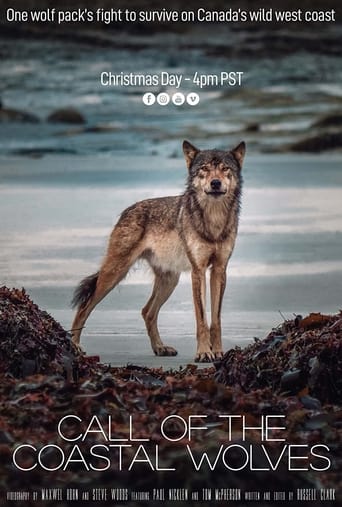
Some of the most secluded beaches of British Columbia are home to a unique wolf species that has evolved to gather their sustenance from both land and sea. Call of the Coastal Wolves follows a group of filmmakers over a two week expedition as they endeavour to film the elusive wolf. This short film asks us to reflect on our impacts to the natural world as we witness these compassionate, loving animals that deserve more attention and respect.