

Ozogoche
Documentary
Overview
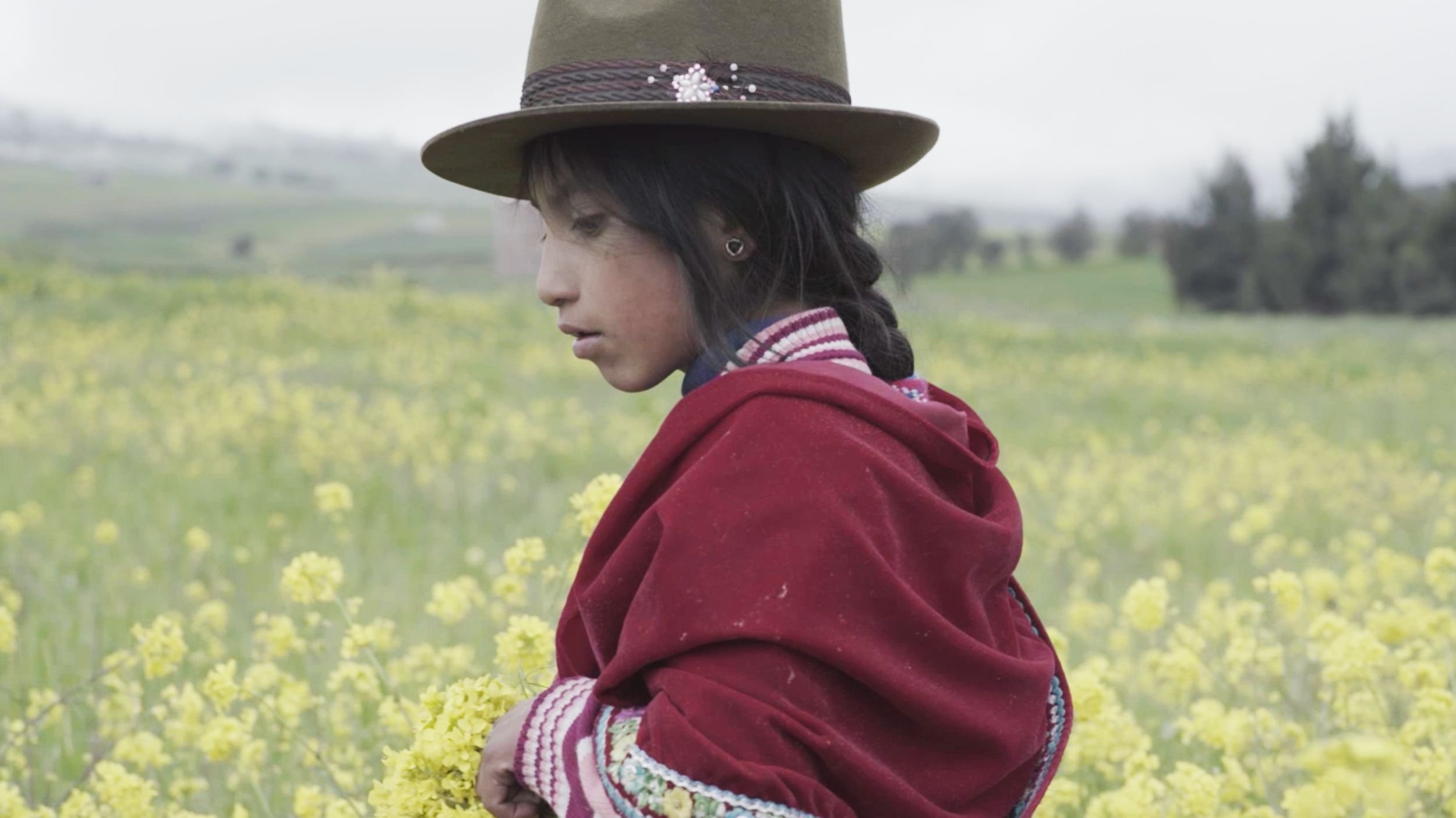
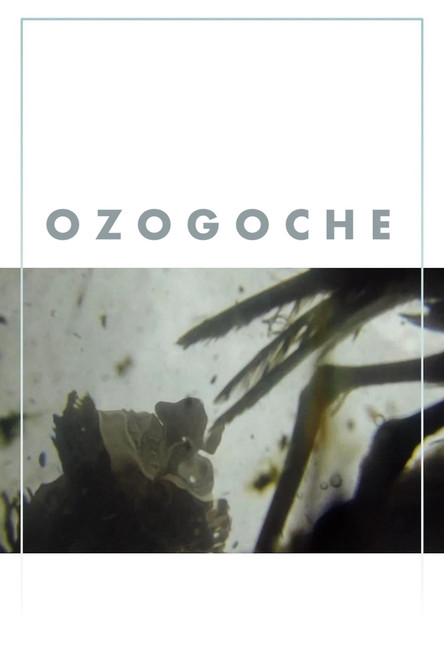
Cuviví is the Ecuadorean indigenous name for the upland sandpiper, a wading bird that has special significance for the communities living around the Ozogoche lakes in the middle of the Andes. Each year, these birds migrate south from North America. Around September they pass the Ozogoche lakes, where large numbers then “commit suicide,” plunging from great heights into the ice-cold water. A girl lives near the lake. Her uncle lives in the US, and she might be heading there herself. In the meantime, she awaits the arrival of the cuvivís, few of which have appeared in recent years. The lakes are drying up.

No cast information.
Similar Movies
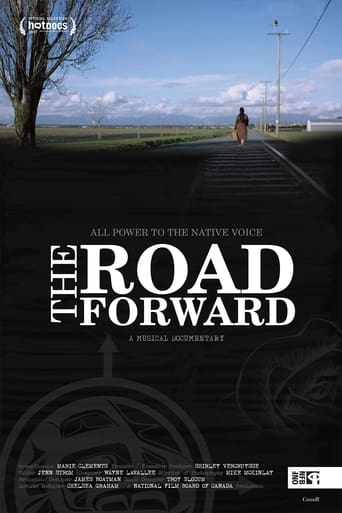
The Road Forward is an electrifying musical documentary that connects a pivotal moment in Canada’s civil rights history—the beginnings of Indian Nationalism in the 1930s—with the powerful momentum of First Nations activism today. Interviews and musical sequences describe how a tiny movement, the Native Brotherhood and Sisterhood, grew to become a successful voice for change across the country. Visually stunning, The Road Forward seamlessly connects past and present through superbly produced story-songs with soaring vocals, blues, rock, and traditional beats.
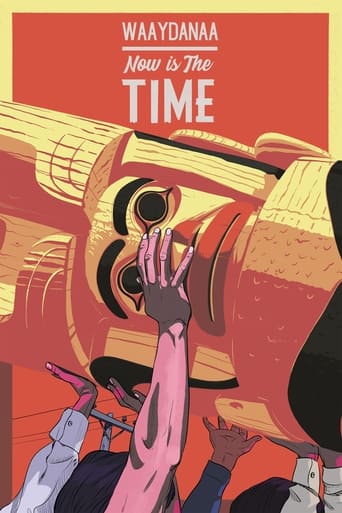
When internationally renowned Haida carver Robert Davidson was only 22 years old, he carved the first new totem pole on British Columbia’s Haida Gwaii in almost a century. On the 50th anniversary of the pole’s raising, Haida filmmaker Christopher Auchter steps easily through history to revisit that day in August 1969, when the entire village of Old Massett gathered to celebrate the event that would signal the rebirth of the Haida spirit.

This film takes us on an emotional journey from sacred ground above Byron Bay to Antarctica, Indonesia to Pakistan, and is sure to light a fire under the strongest climate change denier. THE POWER OF ACTIVISM focuses on six highly spirited female activists as they are put under the microscope to ascertain the financial impact of their environmental solutions… and the results are astonishing. From shark conservation to indigenous practices, intensive farming to plastic pollution; all their ‘causes' fall under the umbrella of "climate change", but they should also fall under the umbrella of "saving tax payers hundreds of millions of dollars!”
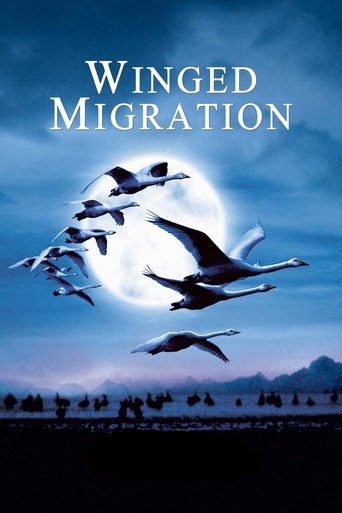
This documentary follows various migratory bird species on their long journeys from their summer homes to the equator and back, covering thousands of miles and navigating by the stars. These arduous treks are crucial for survival, seeking hospitable climates and food sources. Birds face numerous challenges, including crossing oceans and evading predators, illness, and injury. Although migrations are undertaken as a community, birds disperse into family units once they reach their destinations, and every continent is affected by these migrations, hosting migratory bird species at least part of the year.
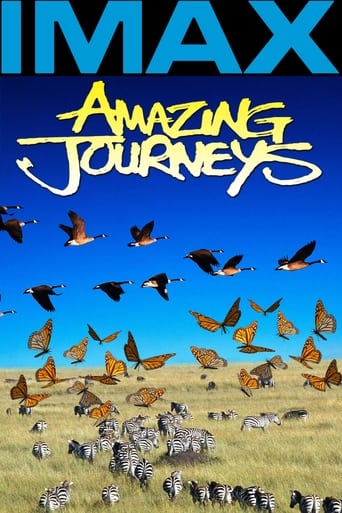
By land, by air, and by sea, viewers can now experience the struggle that millions of creatures endure in the name of migration as wildlife photographers show just how deeply survival instincts have become ingrained into to the animals of planet Earth. From the monarch butterflies that swarm the highlands of Mexico to the birds who navigate by the stars and the millions of red crabs who make the perilous land journey across Christmas Island, this release offers a look at animal instinct in it's purest form.
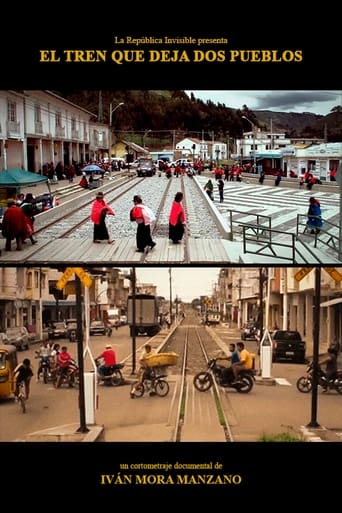
In Ecuador, in a single day, the train passes from the mountainous Andes to the tropical coast. The roads were built between 1861 and 1908 to connect the country. Until this date, the two regions live as separate countries, although the roads connect them in less than a day. The film is an observational work that talks about space and collective memory.

In 1921 the Kwakiut'l people of Alert Bay, British Columbia, held their last secret potlatch. In 1980 at Alert Bay, the U'mista Cultural Centre (U'mista means "something of great value that has come back") opened its doors to receive and house the cultural treasures which were seized decades earlier and only then returned to the people. The center also took up activities such as recording stories told by elders so that some part of the past would always be alive and teaching children about their heritage in order to make them feel connected to their ancestors. This film documents the cultural significance of these events for today's Kwakiut'l people. It is an eloquent testimony to the persistence and complexity of Kwakiut'l society and to the struggle for redefining cultural identity for them.