

Crossroads
Documentary
Overview
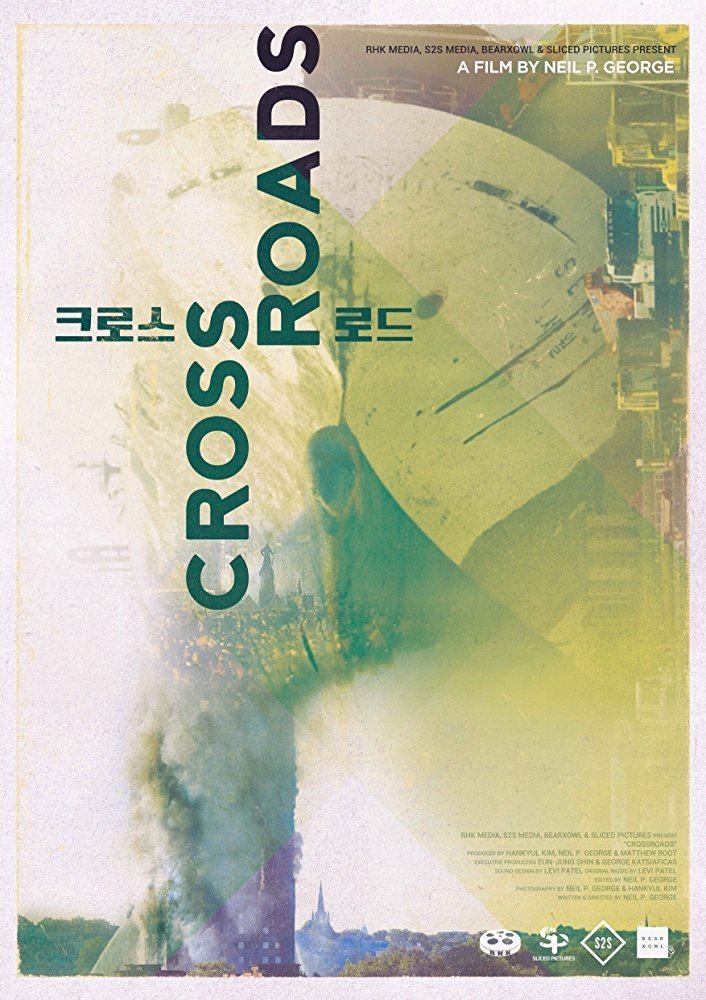
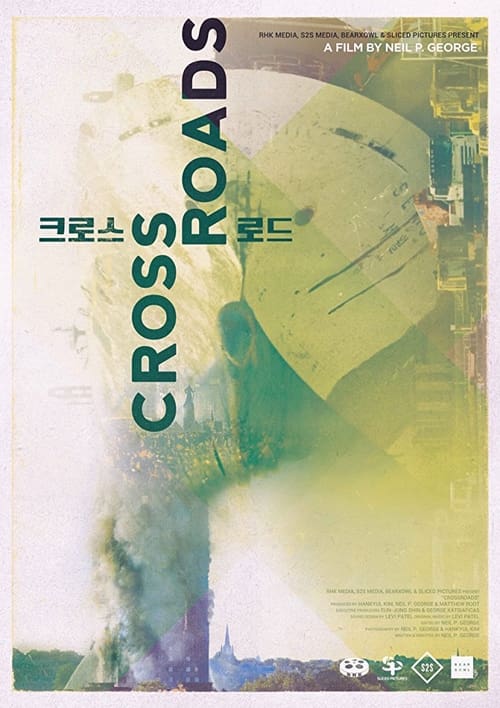
Crossroads explores the ever changing face of South Korea since the Sewol ferry disaster that tragically killed 304 people, mainly schoolchildren, in April 2014. The film takes us on a journey through Korean modern history exploring the changes the country has gone through since April 16th 2014, encompassing emotional re-enactment narrations from survivors, interviews with family members, activists, historians and the general public, as we go in search of how Korea came to yet another crossroad in its history.



No cast information.
Similar Movies

A total of 17 journalists have been fired since 2008, the beginning of LEE Myung-bak’s presidential term. They fought against the companies that they worked for succumbing to power and are now frustrated at reality where censorship of the press by authority has now become a norm. Can they continue their activities as journalists?
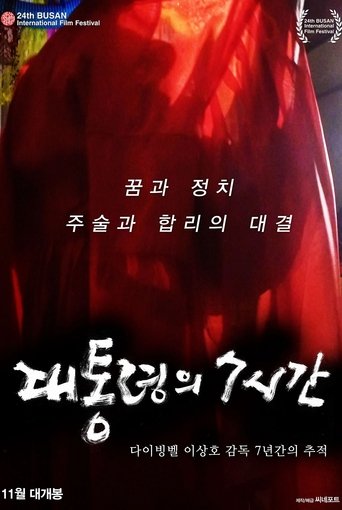
The film traces PARK Geun-hye's life back to the 1970s, when the leader-follower relationship began between PARK, who became the first lady of the Yushin regime, and CHOI Taemin, the leader of a pseudo-religion. It then examines the Sewol ferry incident, CHOI Soonsil Gate, candlelight rallies, and finally the impeachment.
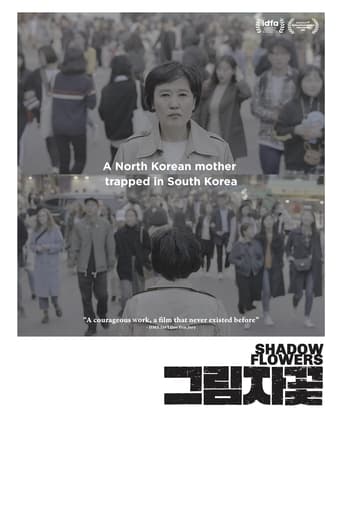
Ryun-hee Kim, a North Korean housewife, was forced to come to South Korea and became its citizen against her will. As her seven years of struggle to go back to her family in North Korea continues, the political absurdity hinders her journey back to her loved ones. The life of her family in the North goes on in emptiness, and she fears that she might become someone, like a shadow, who exists only in the fading memory of her family.
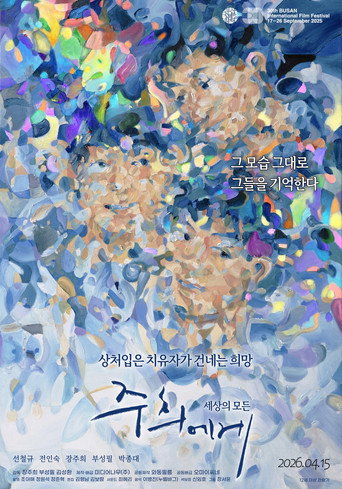
After recovering from leukemia, Jang Juhee, who once dreamed of becoming a filmmaker, begins working at a center for independent living for people with disabilities. There, she meets documentary director Bu Seongpil, disabled and bedridden Seon Cheol-gyu, and In-sook, who lost a family member in the Sewol ferry tragedy. Shaped by childhood memories of domestic violence and years of illness-induced isolation, Jang’s gaze and inner world begin to expand through these individuals.

South Korea's is facing a population crisis, with Seoul at the centre of it. The country’s capital remains the beneficiary of both internal and external migration. Instead, it is in the rural and peripheral areas where low birth rates and the aging population have become crises. The countryside is at risk of becoming extinct. As more opportunities and people get concentrated in Seoul, urban pressures have led to rising unemployment and cost of living. And when things get expensive, people do not have babies. Seoul now has the lowest birthrate in South Korea, in a country with the world’s most dire fertility. On the other hand, farms and factories in the rural areas desperately need workers. How can South Korea solve this population puzzle?
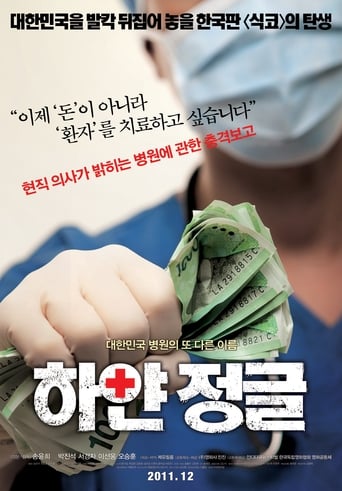
It is year 2011 and the government still talks of economic growth through medical care under the table. In reality, common people cannot afford to go to a hospital. They are nothing but extra casts in a promotional film for showing. The reality is a white jungle where medical care has become the market of extreme commercialization and doctors and patients are just too familiar with the physiology of jungle life. New rules and regulations must be practiced in this jungle. The film finds a solution by looking at medical care not as a personal means of production but community welfare.