

A Look Through His Lens
Documentary
Overview
Oscar-winning cinematographer Philippe Rousselot offers a master class in image making, with insightful examples from his work on Diva, Hope and Glory, A River Runs Through It, Dangerous Liaisons, Interview with the Vampire and many more in this cineaste's delight.





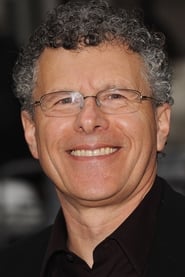
Jon Amiel
Jon Amiel
Self
Jon Amiel
Self
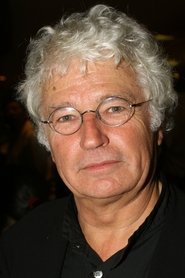
Jean-Jacques Annaud
Jean-Jacques Annaud
Self
Jean-Jacques Annaud
Self
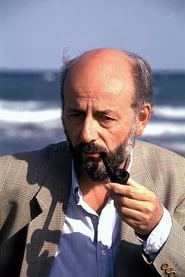
Bertrand Blier
Bertrand Blier
Self
Bertrand Blier
Self
John Boorman
John Boorman
Self
John Boorman
Self

Tim Burton
Tim Burton
Self
Tim Burton
Self

Glenn Close
Glenn Close
Self
Glenn Close
Self

Stephen Frears
Stephen Frears
Self
Stephen Frears
Self

Terrence Howard
Terrence Howard
Self
Terrence Howard
Self
Neil Jordan
Neil Jordan
Self
Neil Jordan
Self
Philip Kaufman
Philip Kaufman
Self
Philip Kaufman
Self
Similar Movies
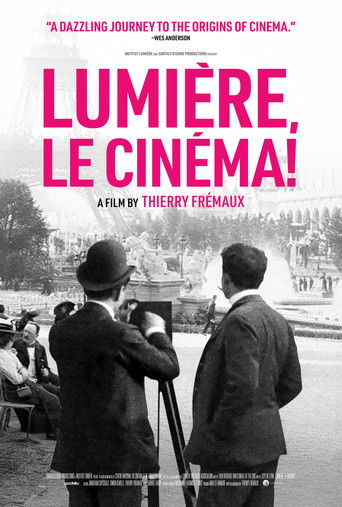
In one of those wonderful coincidences of history, lumière, the French word for “light,” was also the last name of brothers Auguste and Louis, whose brilliant invention, the cinematograph, helped to inaugurate the most beloved art form of the last 130 years. Institute Lumière director Thierry Frémaux uses Lumière, Le Cinema! to guide the viewer through over a hundred shorts—some famous, some forgotten, some never before seen—directed by Lumière and company. In the process, Frémaux illuminates how the brothers employed the camera as a creative instrument as they (and their operators) mastered framing, staging, and subject selection for quotidian and exotic microdocumentaries as well as the first ever fictional motion pictures. The result is not only a glorious re(telling) of the genesis of cinema but a profound meditation on the beautiful world captured—and the mysterious world imagined—by the Lumières.
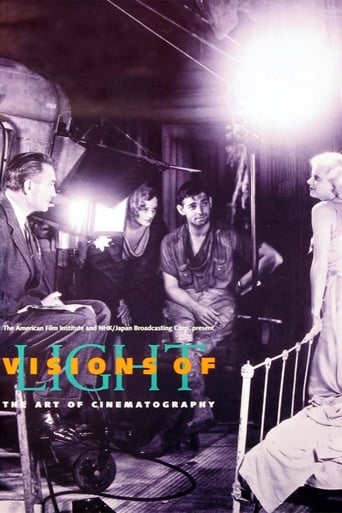
Cameramen and women discuss the craft and art of cinematography and of the "DP" (the director of photography), illustrating their points with clips from 100 films, from Birth of a Nation to Do the Right Thing. Themes: the DP tells people where to look; changes in movies (the arrival of sound, color, and wide screens) required creative responses from DPs; and, these artisans constantly invent new equipment and try new things, with wonderful results. The narration takes us through the identifiable studio styles of the 30s, the emergence of noir, the New York look, and the impact of Europeans. Citizen Kane, The Conformist, and Gordon Willis get special attention.
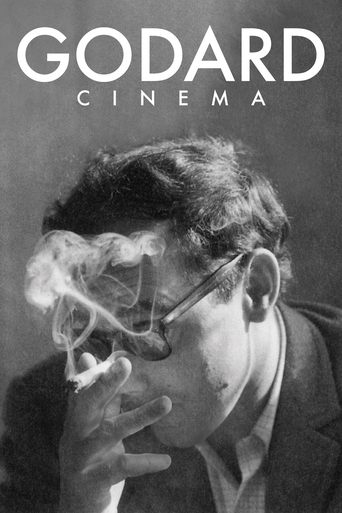
Jean-Luc Godard is synonymous with cinema. With the release of Breathless in 1960, he established himself overnight as a cinematic rebel and symbol for the era's progressive and anti-war youth. Sixty-two years and 140 films later, Godard is among the most renowned artists of all time, taught in every film school yet still shrouded in mystery. One of the founders of the French New Wave, political agitator, revolutionary misanthrope, film theorist and critic, the list of his descriptors goes on and on. Godard Cinema offers an opportunity for film lovers to look back at his career and the subjects and themes that obsessed him, while paying tribute to the ineffable essence of the most revered French director of all time.
Since the invention of cinema, the standard format for recording moving images has been film. Over the past two decades, a new form of digital filmmaking has emerged, creating a groundbreaking evolution in the medium. Keanu Reeves explores the development of cinema and the impact of digital filmmaking via in-depth interviews with Hollywood masters, such as James Cameron, David Fincher, David Lynch, Christopher Nolan, Martin Scorsese, George Lucas, Steven Soderbergh, and many more.
Filmed from 1995 to 1997 in Havana, New York, Los Angeles, Morelia and Mexico City, it tells the story of Yuliet, a Cuban teenager, and Fabiola Quiroz, a Mexican model, who, with humor and frankness, surrounded by quirky supporting characters, show us that the absence of their parents, deprivation and adversity made them stronger.
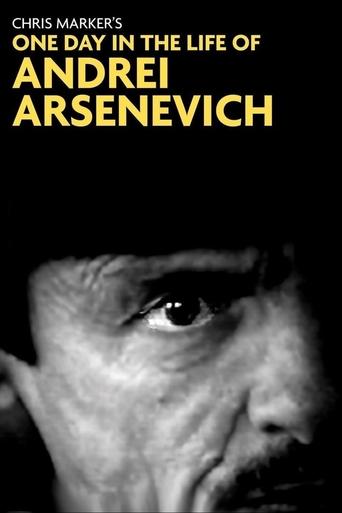
Chris Marker’s portrait of Russian filmmaker Andrei Tarkovsky documents the director at work on his final film, The Sacrifice, during the last year of his life. Interweaving behind-the-scenes footage with excerpts from Tarkovsky’s earlier works, Marker crafts a moving reflection on the artist’s vision, methods, and enduring legacy.

As a visually radical memoir, CAMERAPERSON draws on the remarkable footage that filmmaker Kirsten Johnson has shot and reframes it in ways that illuminate moments and situations that have personally affected her. What emerges is an elegant meditation on the relationship between truth and the camera frame, as Johnson transforms scenes that have been presented on Festival screens as one kind of truth into another kind of story—one about personal journey, craft, and direct human connection.