


Sick Girls
Documentary
Overview
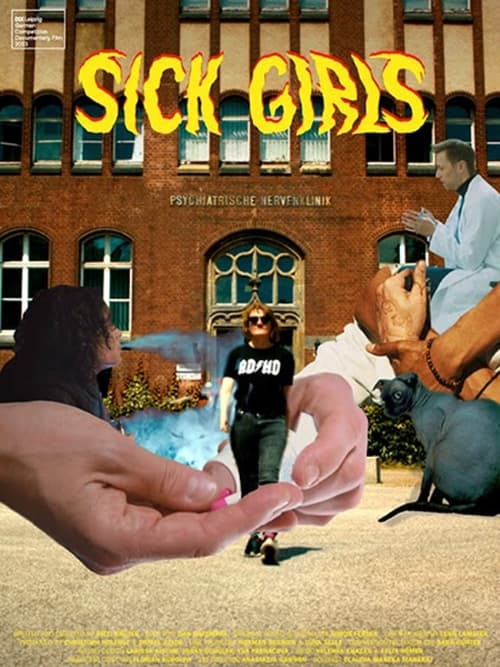
In recent years, the number of diagnoses of attention-deficit hyperactivity disorder has skyrocketed. What are the reasons? Does a society geared towards efficiency use the label ADHS to weed out anyone who does not fit its frames? What are the consequences of the fact that medication treatment has become almost ubiquitous? Could Ritalin and the like have become the doping of the performance society?
Top Cast






Gitti Grüter
Gitti Grüter
Self
Gitti Grüter
Self
Similar Movies
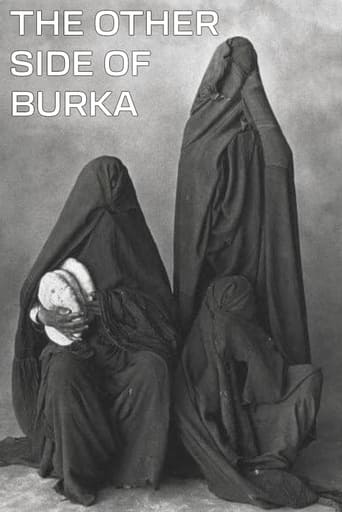
The Other Side of Burka is a 2004 Iranian documentary directed by Mehrdad Oskouei. In the southern island of Qeshm, Iran, which is a very strict region in point of tradition and African-Arabic rules, all women are under the pressure of patriarch society. Their sufferance is manifested by different mental (Zar, Possession) and physical diseases which must be only treated by Zar Ceremony. For the first time, despite the danger these women face, this film tells us the sad story of their life and shows their confection in front of the camera. It tries to be an honest mirror which reflects their sufferance and unveils their Burka to reveal their real characters.
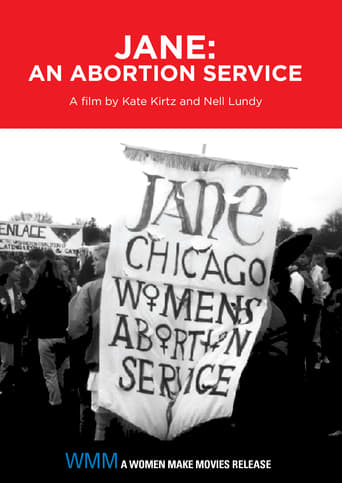
This fascinating political look at a little-known chapter in women's history tells the story of "Jane", the Chicago-based women's health group who performed nearly 12,000 safe illegal abortions between 1969 and 1973 with no formal medical training. As Jane members describe finding feminism and clients describe finding Jane, archival footage and recreations mingle to depict how the repression of the early sixties and social movements of the late sixties influenced this unique group. Both vital knowledge and meditation on the process of empowerment, Jane: An Abortion Service showcases the importance of preserving women's knowledge in the face of revisionist history. JANE: AN ABORTION SERVICE was funded by the Independent Television Service (ITVS) with funds provided by the Corporation for Public Broadcasting.
Three women share their experience of navigating the app-world in the metro city. The sharings reveal gendered battles as platform workers and the tiresome reality of gig-workers' identities against the absent bosses, masked behind their apps. Filmed in the streets of New Delhi, the protagonists share about their door-to-door gigs, the surveillance at their workplaces and the absence of accountability in the urban landscape.
Some folks squirm at mention of a woman’s period…not Arunachalam Muruganantham. Considered a madman and pervert by his community, he ignores his detractors and makes his dream—low-cost sanitary pads made by and for rural Indian women—a reality. Using manually operated machines, Muruganantham’s microbusiness model is focused on something more important than profits: providing sustainable employment, hygiene and emancipation to women who would otherwise go without. He’s a man with a million-dollar idea—except money has nothing to do with it. His goal is to make a livelihood, not to accumulate wealth; to operate at a human scale, not a multinational one. Menstrual Man is the inspiring story of a hero who rises above poverty and a lack of education to become a superstar social entrepreneur in the business of breaking cultural taboos and re-inventing the economic pyramid. Muruganantham is leading a movement, not a company. And it’s spreading.
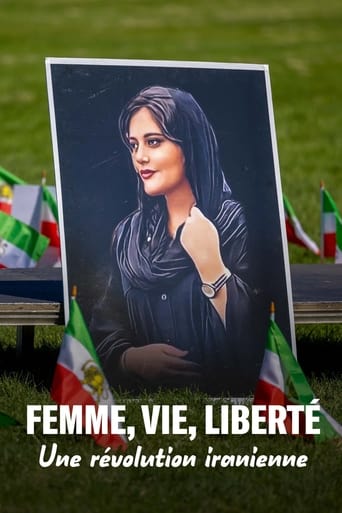
On September 16, 2022, in Teheran, the murder by police of the young Mahsa Amini, arrested for "wearing a headscarf contrary to the law", sparked off an unprecedented insurrection. Within hours, a spontaneous movement formed around the rallying cry: "Woman, life, freedom". For the first time, women, joined by men and students, took the initiative and removed their veils, the hated symbol of the Islamic Republic. The Iranian population, from all regions and social categories, rose up in protest. Social networks went wild. The diaspora (between 5–8 million Iranians) took up the cause, and the whole world discovered the scale of this mobilization: could the theocratic regime be overthrown this time?
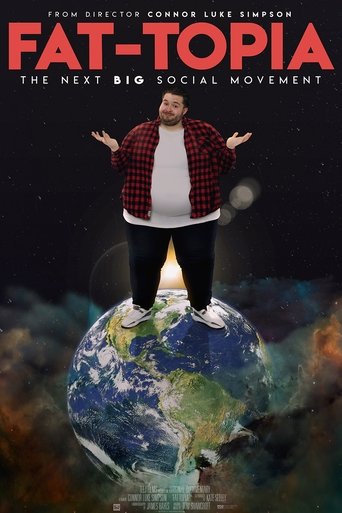
In an era of activism, filmmaker Connor Luke Simpson enters the world of Fat Acceptance, a provocative social movement that is seeking to change the negative perception of obesity. Is everything we know about obesity wrong, or, will this movement just become a footnote in the history books?