

A Doll Like Me
Documentary
Overview
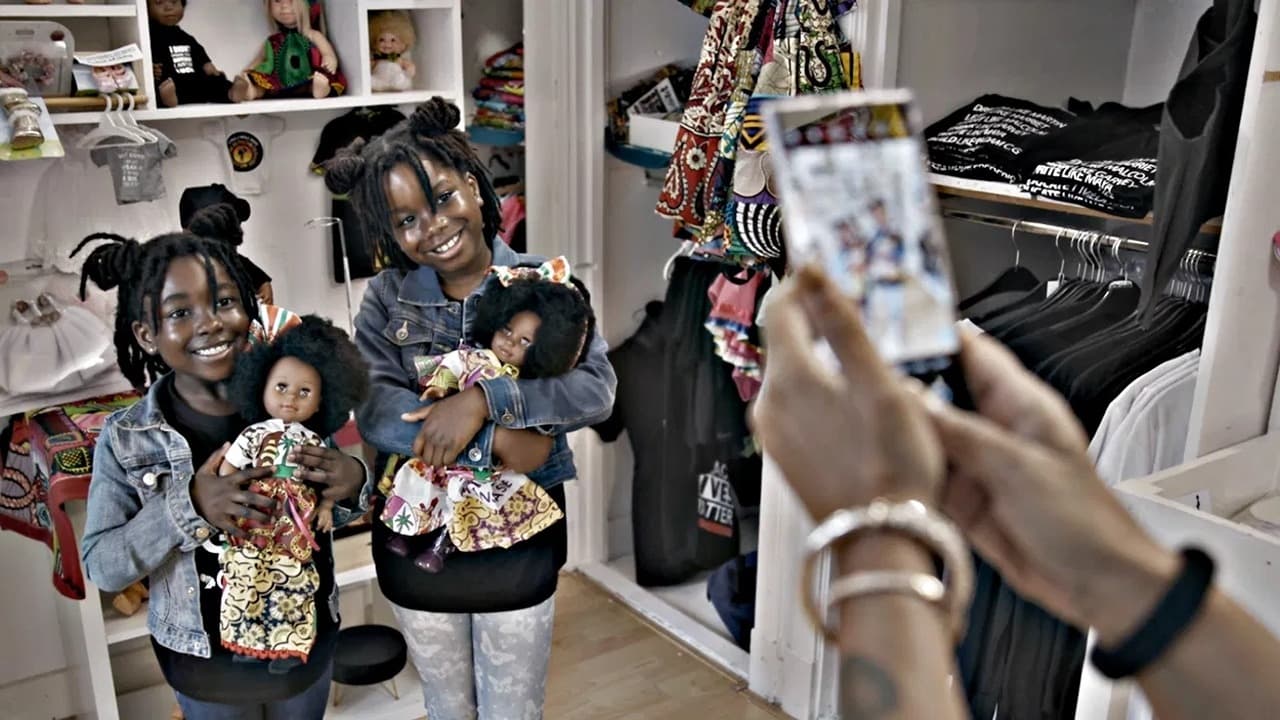
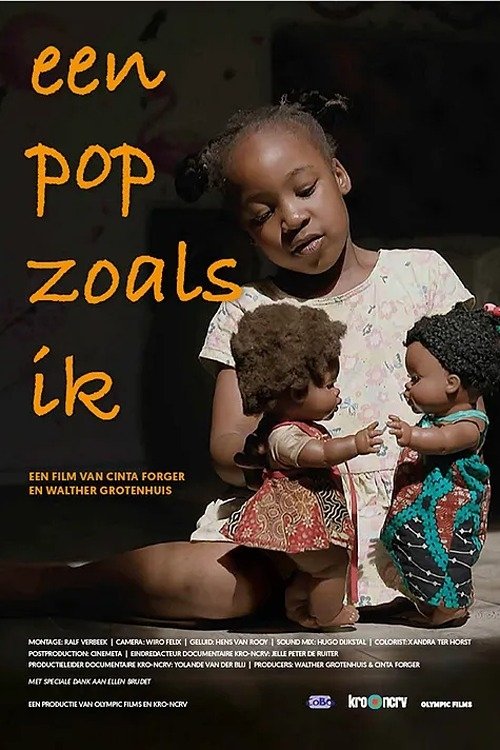
The Amsterdam doll shop Colorful Goodies sells Barbies, boy dolls, and cuddly dolls that every child can recognize; from dolls with different skin colors and professions, to dolls with disabilities. This documentary follows three families of color who take home a doll. What does such a doll mean for your self-image if you struggle with it because you are of color, or because you have to learn to live with albinism? Is our dominant white society as tolerant as we think?





No cast information.
Similar Movies
Since August 2024, in Martinique, a popular protest movement against the high cost of living has been reemerging under the leadership of the RPPRAC (Rassemblement Pour La Protection Des Peuples Et Des Ressources Afro-Caribéens – Gathering for the Protection of Afro-Caribbean Peoples and Resources). On the island, food prices are on average 54% higher than in mainland France.* Through various cultural figures, the people of Martinique are expressing their anger and seeking concrete solutions. *Source: Kiprix, Price comparison between supermarkets in the French overseas territories and mainland France.
Prepare for an eye-opening journey into the heart of identity and division. 'Tethers' is a groundbreaking interview-style documentary that delves deep into the complex tapestry of cultural differences, racial tension, and the ethnocentric divide between Africans, African Americans, and Foundation Black Americans.
In American Sign Language (ASL) with subtitles available in English, Spanish and Canadian French. This powerful documentary uses real life experiences from Deaf people of varied social, racial, and educational boundaries showing how this form of oppression does lasting and harmful damage. Bonus materials include directors' comments from Ben Bahan and H-Dirksen Bauman and additional scences. Teachers: This film is a wonderful tool for beginning ASL students, as an introduction to a side of Deaf culture that cannot be found in any textbook.
We all share the same kind of brain yet everybody has a different view of the world around us. As a very intriguing example, Carlotta vividly explains how a world without faces does look like. She suffers from the miswiring of a tiny brain region that makes it impossible for her to see and remember faces as a complete construct, called prosopagnosia or face blindness.
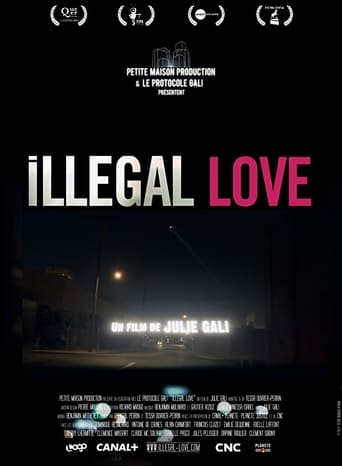
In 2008 French filmmaker Julie Gali traveled to the US to film the election of Barack Obama. In spite of this victory for civil rights, it soon became apparent that the rights of another minority were under threat. In California the passing of Proposition 8 marked the only time in U.S. history that a civil right was actually taken away after it had been granted. Upon seeing this, Ms. Gali decided to immerse herself in the growing grassroots struggle of the gay community, which culminated in the October 11, 2009 March for Equality in Washington DC.
Shida is the new kid in class in a private boarding school in Tanzania. He is shy, he has no self-esteem, he does not speak one word of English - the primary language in the school, and he suffers from albinism. Like most children with albinism in the country Shida was taken away from his parents to be protected from the witchcraft related killings. The film follows Shida during his first year at the new school where the rules are strict and tolerance low. He is trying his best to meet the demands. The school is a chance of an education and to escape a life on the bottom of society. With the help from his new friend Allan he is struggling to become better in school and to be accepted by the teachers and pupils.