

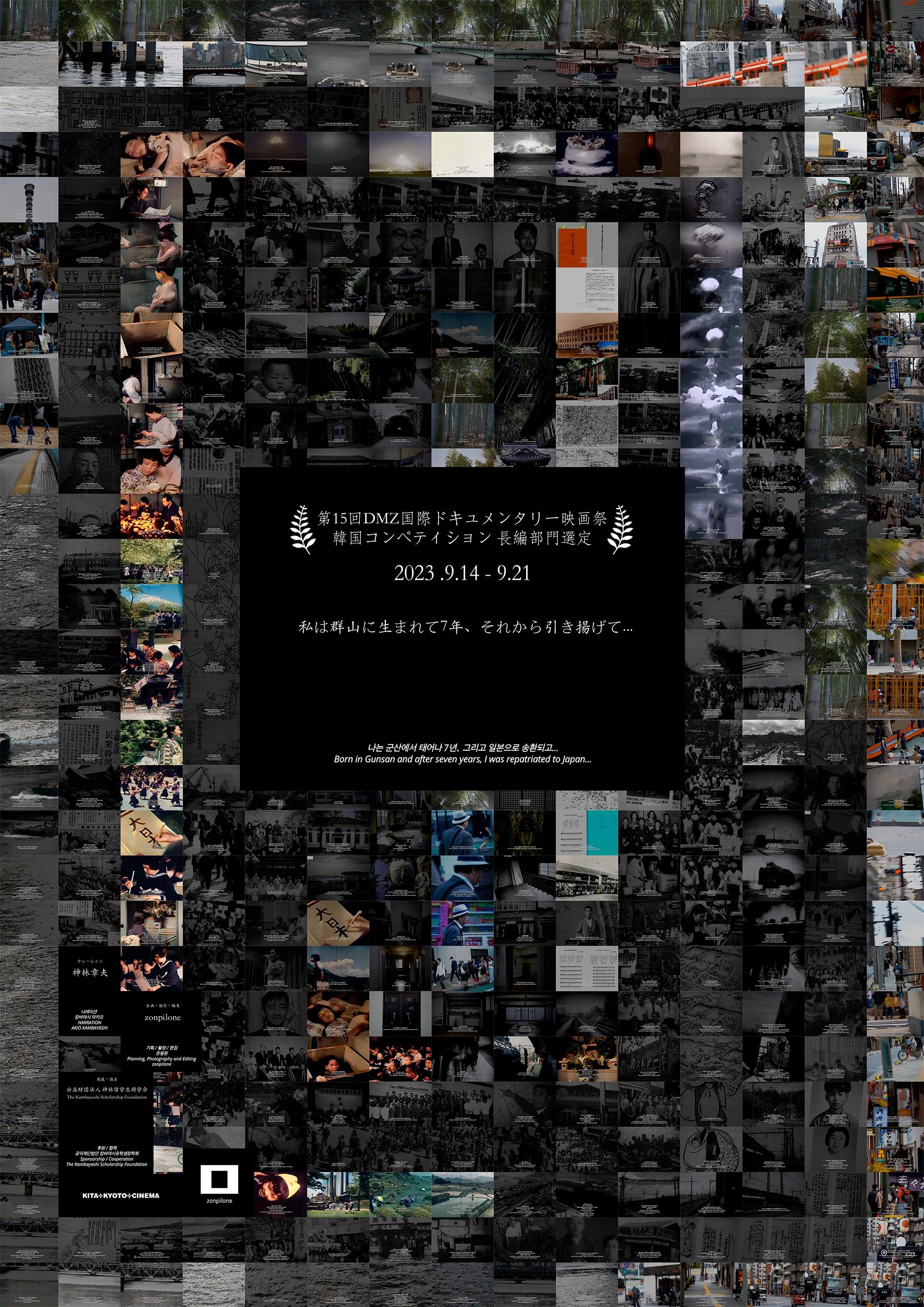
Born in Gunsan and After Seven Years, I Was Repatriated to Japan...
Documentary
Overview
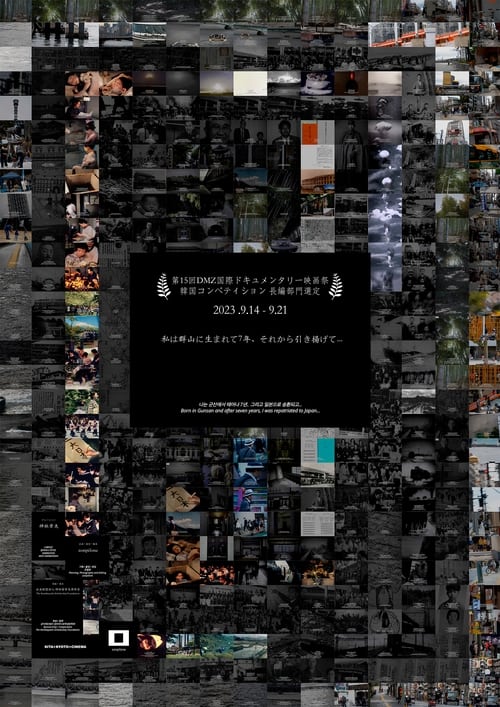
A bamboo forest becomes a city with bustling streets that then smoothly transform into photographs: never really in focus, ever more fragmentary and blurred. Born in Gunsan and after seven years, I was repatriated to Japan… begins as a formidable exercise in fūkei-ron, only to turn into a meditation on what remains of the past, with worlds, eras and personal views colliding.


No cast information.
Similar Movies
The Christians of North Gando lose their country and leave their hometown, but gain the Gospel. The cross they hold in their hands is the symbol of daring for independence and a royal summon of the generation they have to endure. Historian Sim Yo Han retraces the footsteps of the late Father Moon Dong Hwan and finds meanings of the anti-Japanese independence movement hidden in various parts of North Gando.
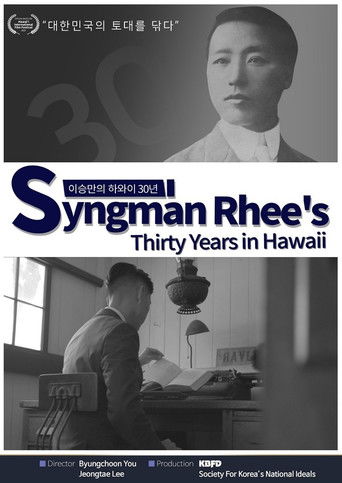
A documentary film covering the life of President Syngman Rhee and the contributions he made to the Republic of Korea, spanning his childhood, focusing on his independence movement, the founding of the nation, the process of leading to victory in the Korean War, and the process of laying the foundation for Korea's industrialization.
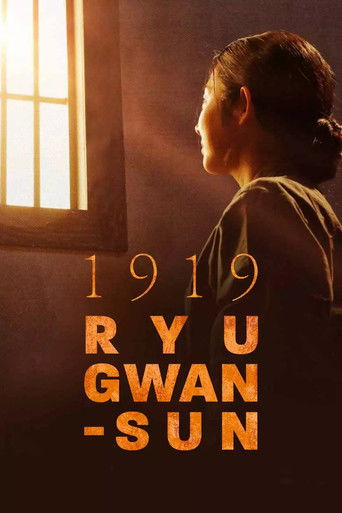
In 1919, Ryu Gwan-sun was imprisoned at the Seodaemun Prison, charged with leading the independence protest at her hometown. In her cell, No. 8, many women were locked up after participating in the protest. They are different in ages, jobs, religions, and so on, but they all raise their voices for the nation's independence from Japanese Imperialism. The docudrama will highlight some of the female activists who devoted their lives to the Independence movement.
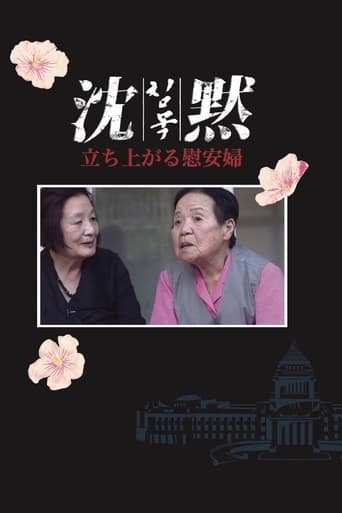
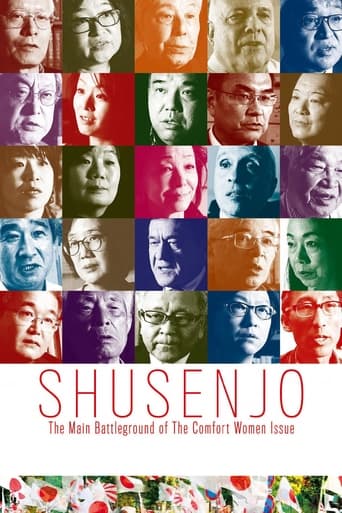
The Silence narrates the struggle of fifteen "comfort women"—former sex slaves by the Imperial Japanese Army during WWII—for recognition and reparation. The "comfort women" issue has previously been treated almost exclusively within the framework of Korean nationalism. The Silence will provide insight into the ways in which nationalism and the emergence of post-war Asian nation-states have hindered the understanding of "comfort women" narratives through Zainichi Korean documentary filmmaker Soo-nam Park's point of view.
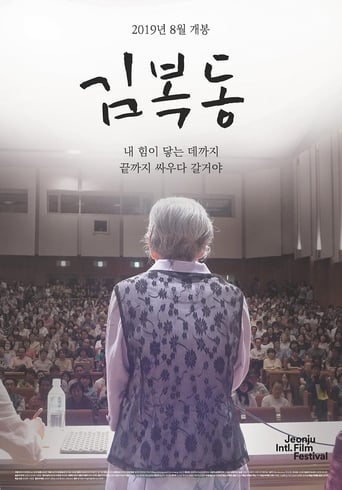
In 1992, KIM Bok-dong, reported herself as a victim of the sexual slavery, "comfort women" during World War Ⅱ. She wanted to receive the proper apology from the Japan government but they denied its responsibility. In 2011, commemorating the 1000th Wednesday demonstration, Statue of Peace was installed in front of the Embassy of Japan. The fight over Japan confronts a new stage.