


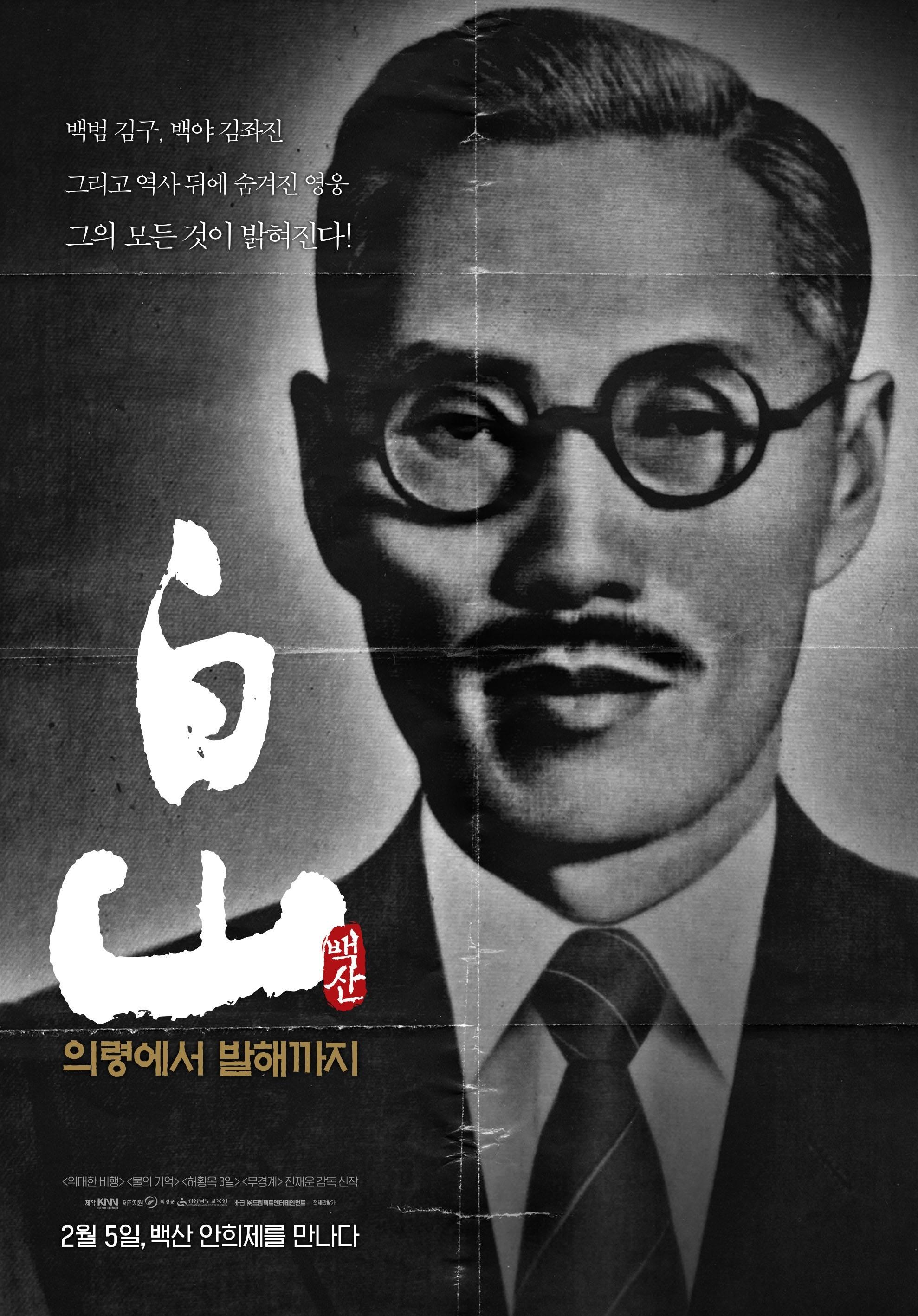
Baeksan - From Uiryeong to Balhae
Documentary · History







No cast information.
Similar Movies
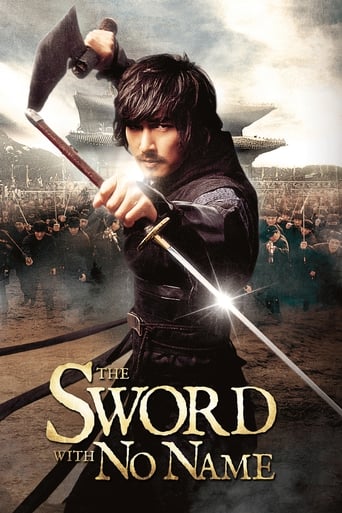
Mu Myeong is a Joseon dynasty headhunter who meets and falls in love with lady Ja Yeong who will become the future Empress Myseongseong. A few years later, Ja Yeong enters the royal palace to marry King Gojong. Mu Myeong still having feelings for Ja Yeong and in an attempt to get closer to her becomes her personal body guard.
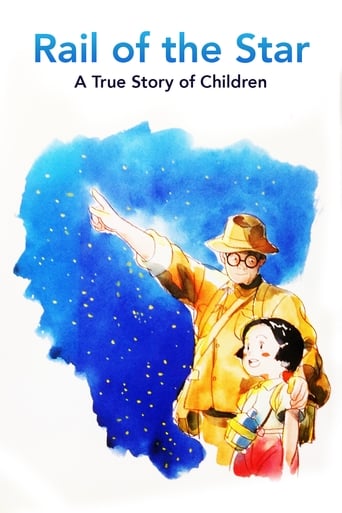
A young Japanese actress remembers her war childhood in Korea. Her father goes to fight, her baby sister Miko dies of typhoid, her beloved Korean maid Ohana is fired due to a mistake which could cost Chiko her life... By and by Chiko realizes that the country is being ruled by the Japanese and the Koreans are persecuted. When the war ends, the Koreans chase the Japanese rule and the roles change. Now Chiko's family is unwanted. But then the Russians come and this is the end. They have to burn all the pictures to avoid all suspicions... even Miko's picture. But when the Russians come to their house, they decide to flee over the 38th Parallel towards freedom. A group of men, women, children struggles along the mountains, led by the light of the Northern Star. Along the way they meet a Korean man, who is willing to help them to escape the Russian soldiers although his family was killed by the Japanese.
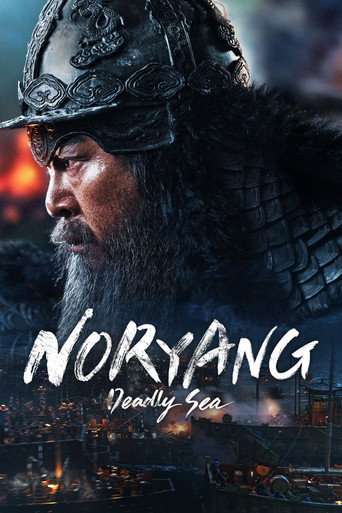
The Imjin War reaches its seventh year in December of 1598. Admiral Yi Sun-shin learns that the Wa invaders in Joseon are preparing for a swift withdrawal following the deathbed orders of their leader Toyotomi Hideyoshi. Determined to destroy the enemy once and for all, Admiral Yi leads an allied fleet of Joseon and Ming ships to mount a blockade and annihilate the Wa army. However, once Ming commander Chen Lin is bribed into lifting the blockade, Wa lord Shimazu Yoshihiro and his Satsuma army sail to the Wa army's rescue at Noryang Strait.
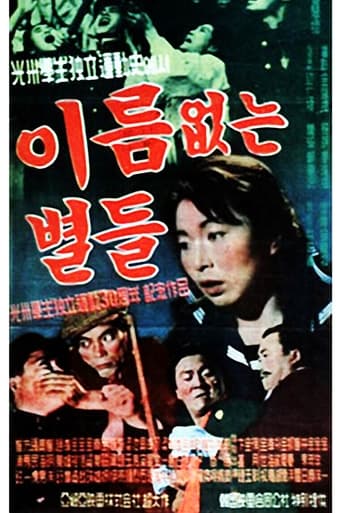
The son of a freedom fighter, Sang-hun is a member of an anti-Japanese resistance group called "Seongjinhoe," composed of students who share a dedication to the cause of liberation. Their spiritual guide is a teacher named Song Un-in. One day, Yeong-ae, whose brother is a detective in the Japanese police force charged with monitoring independence movements, joins their group. Following a series of sporadic incidents, the students gather one night to resolve on an uprising, but are discovered by the police. Young-ae is wrongfully accused of betraying their plans, but she risks her life in order to allow the group members to escape. The morning after, the students of Gwangju rise up against the Japanese government.
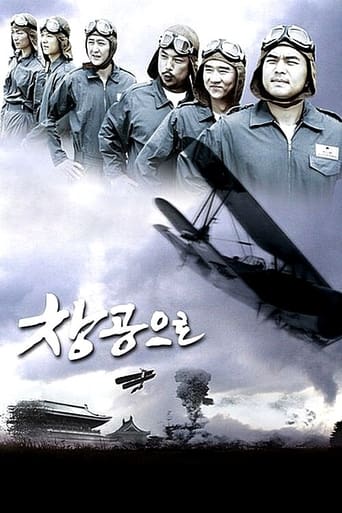
In 1920, a combat flight training school named "Willows" is founded in California. People who want to fight for Korea’s independence from Japan gather at the school. Their mission is to bomb the palace of the Japanese emperor. The pilots’ ardent desire for Korea’s independence grows, but as they prepare for their mission, a spy in the school ruins their plans. However, KIM Ja-jung and the other pilots manage to get on board for what will most likely be their last flight.
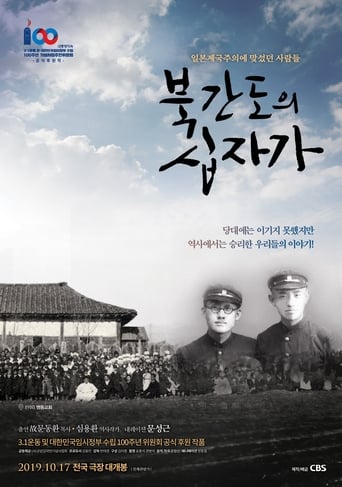
The Christians of North Gando lose their country and leave their hometown, but gain the Gospel. The cross they hold in their hands is the symbol of daring for independence and a royal summon of the generation they have to endure. Historian Sim Yo Han retraces the footsteps of the late Father Moon Dong Hwan and finds meanings of the anti-Japanese independence movement hidden in various parts of North Gando.
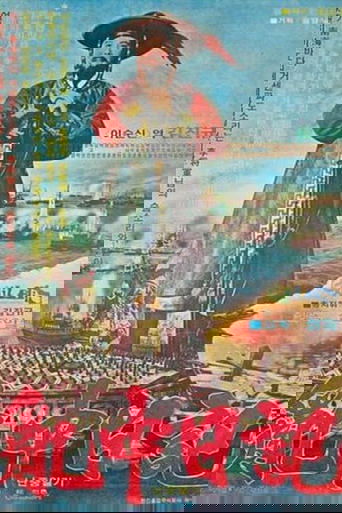
Admiral Lee Sun-shin designs and builds the 'Turtle Ships' in preparation of the Japanese invasion during the Injin War. He is promoted after his victories, but due to his expanding influence and increased popularity in military circles, the king comes to fear him and has him imprisoned. A year later, the Japanese navy attempts another invasion and the king is required to enter the prison and beg the admiral's assistance.
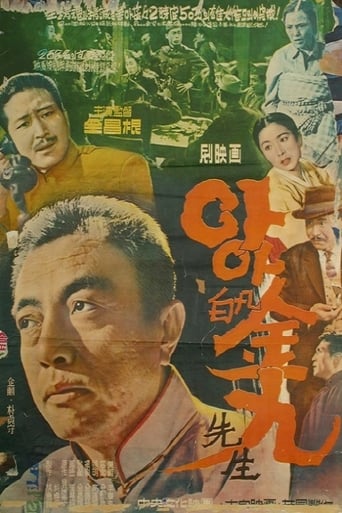
Kim Chang-su, who participated in the Donghak Movement, escapes to Manchuria after being chased by the Japanese army, finally making his way home. Angered by the assassination of Empress Myeong-seong, he murders a Japanese lieutenant and is sent to jail. He escapes from prison turns his focus on the democratic movement by teaching civilians and organizing Sinminheo (a democratic organization), even changing his name to 'Kim Gu.' After he is imprisoned again, he gets out on parole and goes to China, where he participates in establishing a provisional government from which he can direct the anti-Japanese struggle. Kim Gu goes on to play a part in Yun Bong-gil's deeds in Shanghai, the events at Hongkou Park, the encounter with Jiang Jish, and the establishment of the Korean National Army, and leads the struggle for Korea's independence with warm fraternal love and clear national spirit. When Korea is liberated in August 15, 1945, he returns back to his native land.