

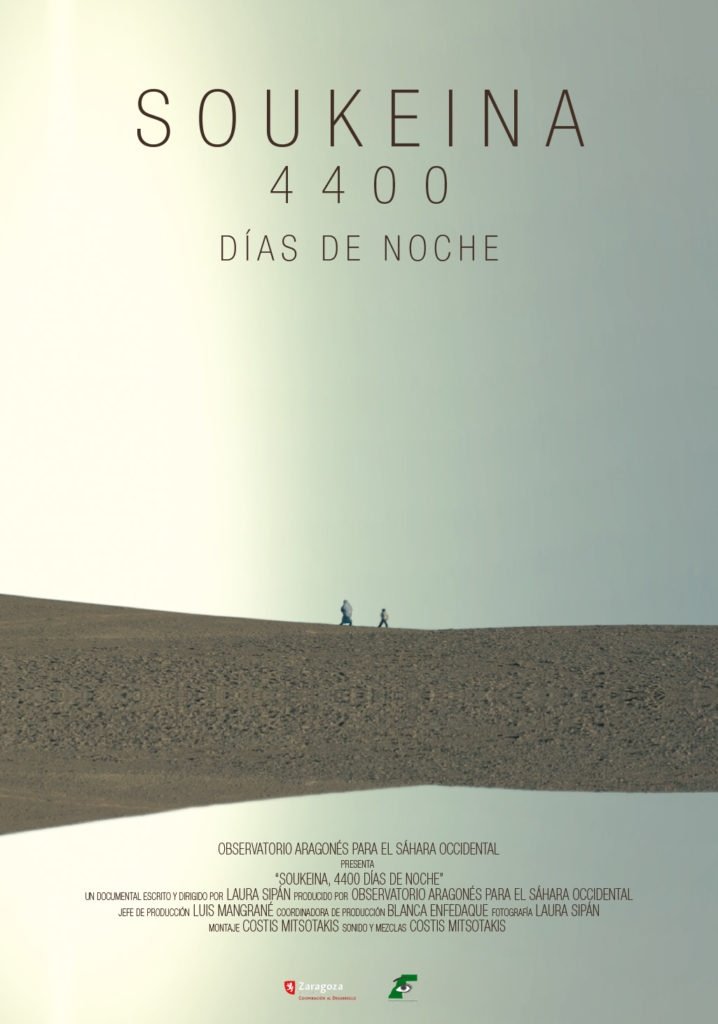
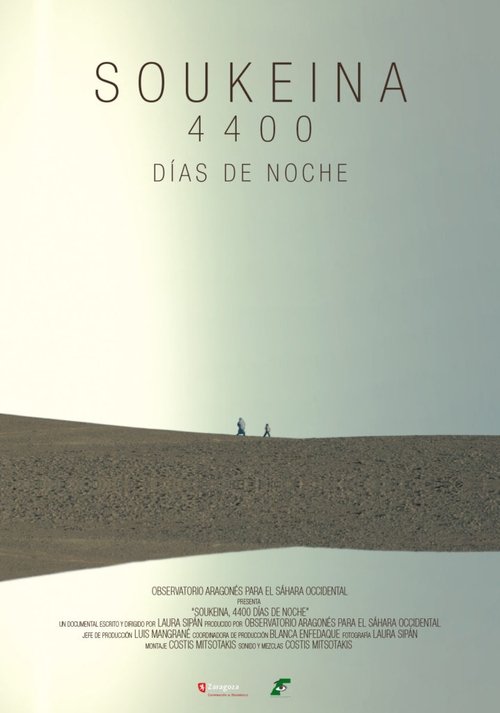
Soukeina, 4400 days of night
Documentary
Overview
After the military occupation of Western Sahara in 1976, Moroccan government attacked the civil population with hard repression, forcing hundreds of Saharan people to “disappear” in clandestine jails. An invisible and slow death was the only horizon. However, some prisoners were able to survive after suffering their own “extinction” for more tan 10 years, ripped from their families, suffering torture, in total isolation. When they finally were released, their known world had changed radically.
Top Cast



Sukeina Yedhelu
Sukeina Yedhelu
Sukeina Yedhelu
Similar Movies
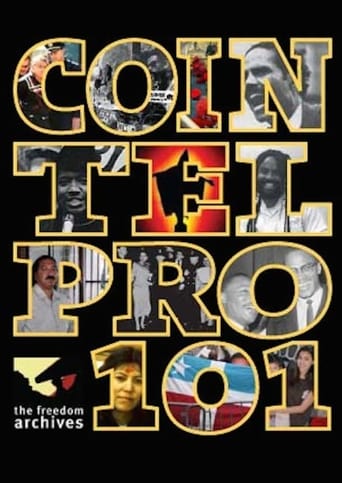
COINTELPRO 101 exposes illegal surveillance, disruption, and outright murder committed by the US government in the 1950s, 60s, and 70s. “COINTELPRO” refers to the official FBI COunter INTELigence PROgram carried out to surveil, imprison, and eliminate leaders of social justice movements and to disrupt, divide, and destroy the movements as well. Many of the government's crimes are still unknown. Through interviews with activists who experienced these abuses first-hand, with rare historical footage, the film provides an educational introduction to a period of intense repression and draws relevant lessons for the present and future.
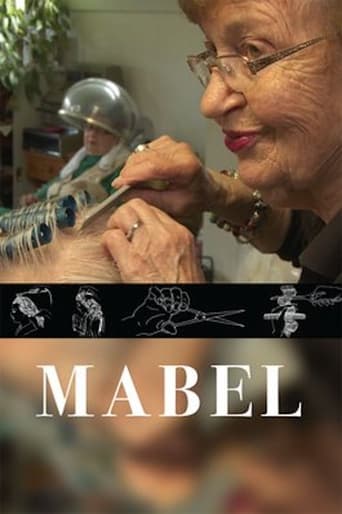
Feisty, fiercely independent and firmly rooted in place, 90 year-old Mabel Robinson broke barriers back in the 40s when she became the first woman in Hubbards, Nova Scotia, to launch her own business—a hairdressing salon where she still provides shampoo-n-sets over 70 years later. Weaving animation and archival imagery with intimate and laugh out loud moments in the salon, the film celebrates the power of friendship, doing what you love and staying active. With no desire to retire anytime soon, Mabel gives voice to a generation who are not front and center of cinema or the pop hairstyles of the day, and subtly shifts the lens on our perception of beauty and the elderly.

Those who do not know the Sahara think there is only sand in the desert. But in the desert there are children who play and draw and make movies, and who would like to not have to think about the war. In the desert there's a European colony, an occupied country called Western Sahara, where there are thousands of Sahrawi refugees living a hard life in exile. "Little Sahara" tells their story, the story of a supportive, resilient people who try to thrive and grow in the Hamada, where everything has a hard time growing.
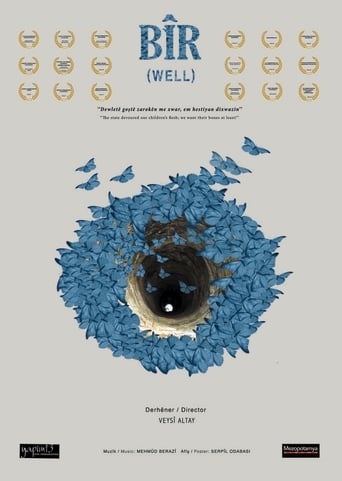
In the 1990s many people in Kurdistan were taken into custody and interrogated under torture; their killers disposed of the bodies by throwing them out of helicopters, or burying them in acid-filled wells. Thousands were murdered/disappeared by paramilitary forces—such as Jitem and Hizbul-Kontra—that were financed and supported by the state, though they have always stuck to the line: “We didn’t do it.” The documentary looks at the case of seven people, including four children, who were disappeared from the town of Kerboran [Dargeçit] in 1995, and tells the story of their families’ tireless search for their bones
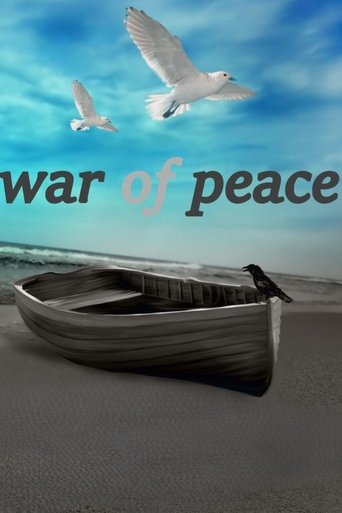
This film is about the suffering of Sahrawi youth in the occupied Western Sahara. It tells the tragic story of their lives under occupation, and how Moroccan authorities push them to risk their lives and leave their homeland on flimsy boats to flee from a life of repression, fulfilling Morocco's goal of emptying the territory of youth, who are the foundations of society.
Three women share their experience of navigating the app-world in the metro city. The sharings reveal gendered battles as platform workers and the tiresome reality of gig-workers' identities against the absent bosses, masked behind their apps. Filmed in the streets of New Delhi, the protagonists share about their door-to-door gigs, the surveillance at their workplaces and the absence of accountability in the urban landscape.
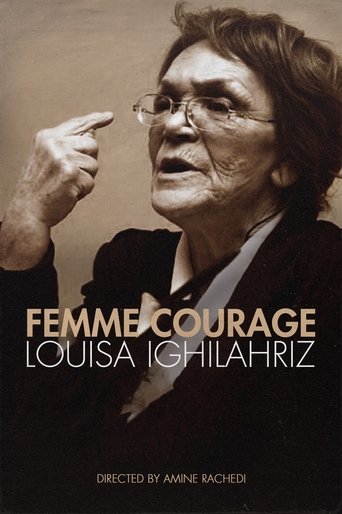
The autobiographical account of the tormented life of a witness of the century: Louisa Ighilahriz, activist and leading figure in Algerian independence. A student, she joined the independence struggle at the age of 20, joining the ranks of the FLN on the eve of the Battle of Algiers in late 1956 under the name Lila. She took part in the high school students' strike, then fled into the maquis when she was actively sought after. She was part of the French FLN support network of "suitcase carriers" during the Battle of Algiers. Seriously wounded alongside her network leader, Saïd Bakel, during an ambush in 1957, hospitalized and then imprisoned, she suffered numerous tortures in French prisons. She will be saved from certain death by an anonymous person, she will seek, for forty years, to find him just to show him her gratitude... Emblematic of the painful Franco-Algerian history, Louisa's story is poignant and imbued with humanism.
Bubisher, as well as being 'the bird of luck', is a word loaded with literary meaning in Spanish in the Sahrawi refugee camps of Tindouf. Seeing the way in which two cultures interact through small stories and tales can is striking and so is the contrast between the resilience of the young female generations and the realities of life in the desert. This documentary paints a picture of a generation of young female Sahrawis.
The documentary portrays the collective traumas of the militarization of Rio de Janeiro’s favelas occupied by the Armed Forces during the mega sporting events. Through voices from within the favelas, the film documents the struggle for justice and reparation for victims of human rights violations.