

Lesser Choices
Documentary
Overview
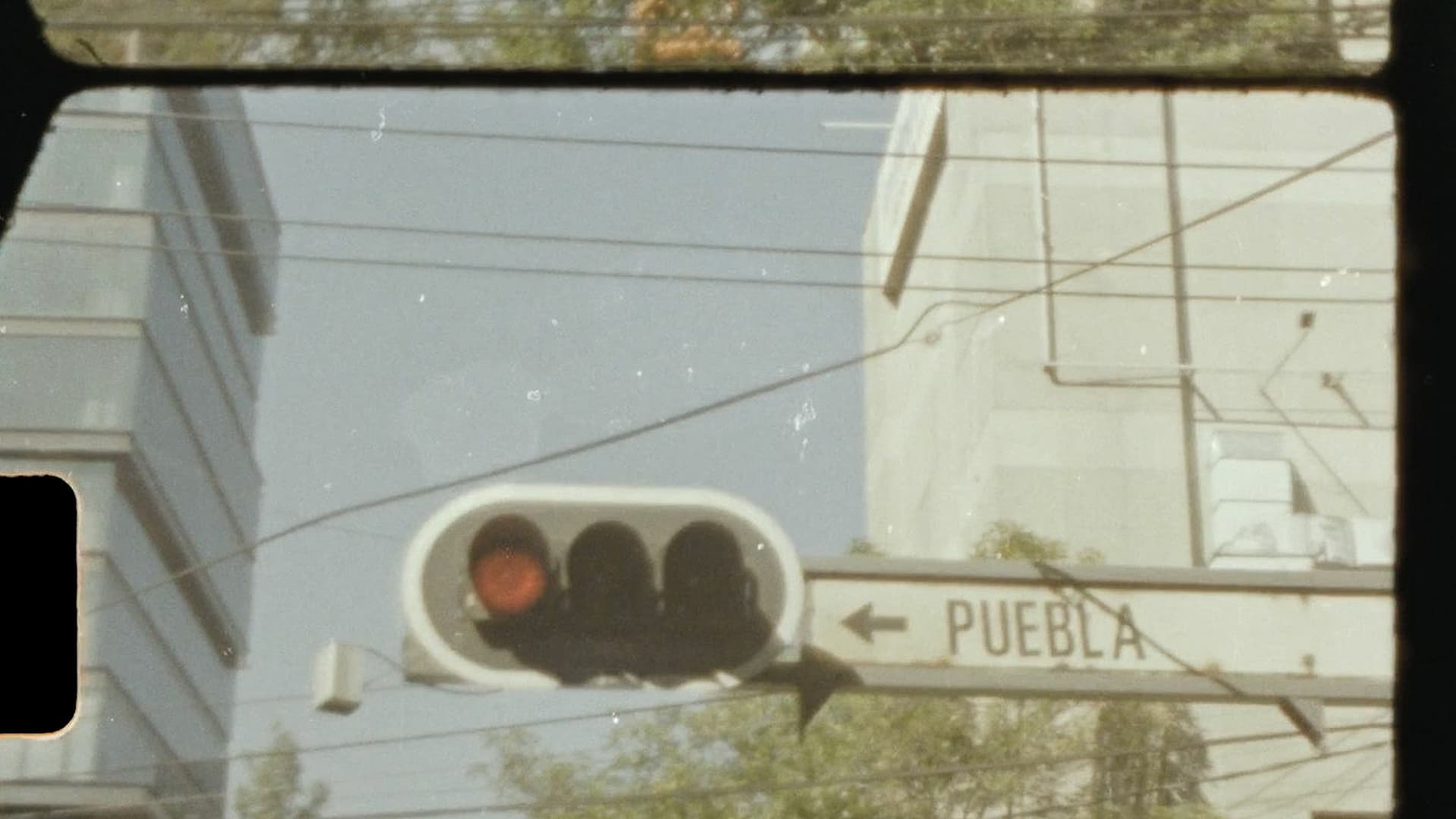
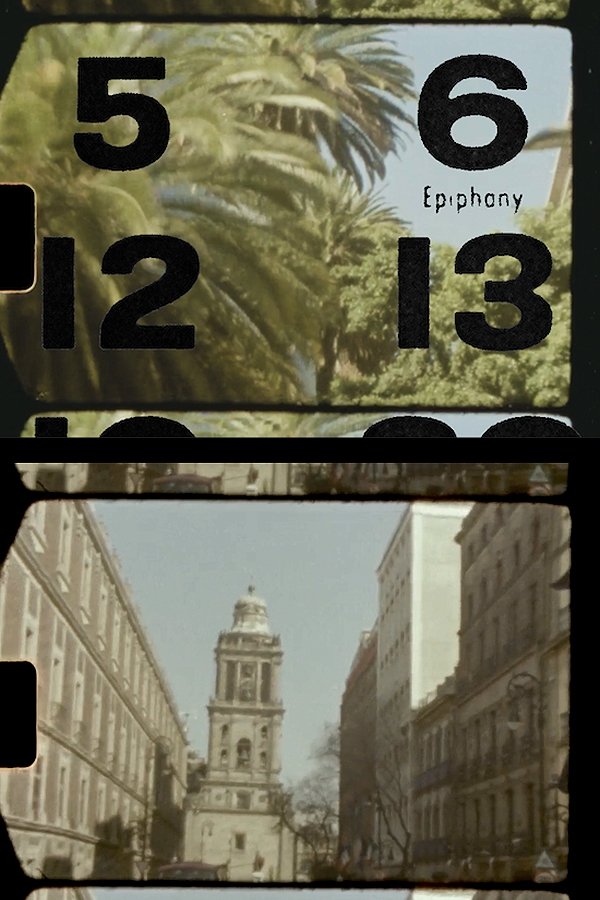
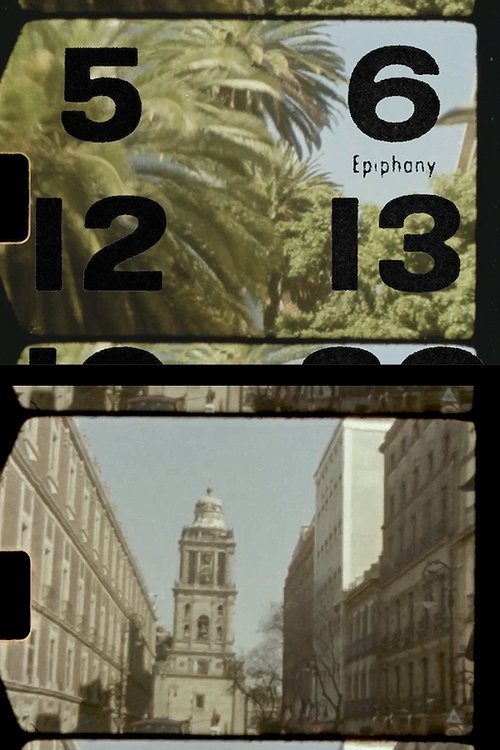
The bleached palette and home-movie aesthetics of Super 8 footage provide the image track for this testimonial about an illegal abortion in Mexico City in the 1960s, delivered in voiceover by the filmmaker’s mother. In its account of this intimate and disorienting memory, Lesser Choices summons a time of profound uncertainty—a moment from an era without rights—and offers a warning to the present.





No cast information.
Similar Movies

December 31, 2015. The Valencian bookstore Valdeska closed its doors permanently after forty years of activity. The result of four years of monitoring and filming, these 31 minuts of run time are part of a book unread, unknown and undiscovered. "Me voy. Me voy" it's not the story of a bookstore, not the portrait of an exceptional bookseller, it's a will to attach the things in the filmed image, to make something lasting showing the moment of its disappearence.

This film explores the consequences of the decisions we take and shows those things which really matter. After leaving his wife and children and promising he would be back, a man lives in a tent at a Mexico City park. There, he earns his living by selling balloons. After 30 years, he needs to fulfill his promise and return home. Will his family accept him back? Is he going to be able to change a life on the streets for the comfort of his home?

One Thousand and One Attempts to Be an Ocean reflects on the experience of not being able to see the world with depth perception. Made up of micro-events from "satisfying video" that swarm on the internet, the abstract narrative unfolds through an appropriation way by referring to trance and minimal music. It's about a desire for groundless waves, blended with today's inexorable entropy of our information societies.
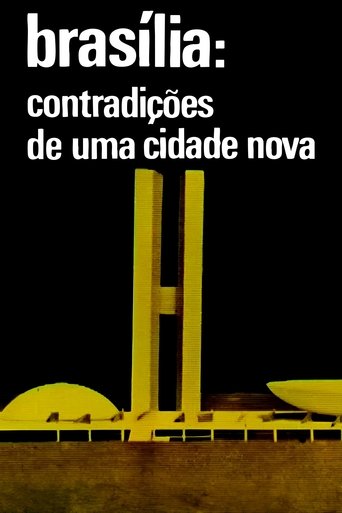
In 1967, de Andrade was invited by the Italian company Olivetti to produce a documentary on the new Brazilian capital city of Brasília. Constructed during the latter half of the 1950s and founded in 1960, the city was part of an effort to populate Brazil’s vast interior region and was to be the embodiment of democratic urban planning, free from the class divisions and inequalities that characterize so many metropolises. Unsurprisingly, Brasília, Contradições de uma Cidade Nova (Brasília, Contradictions of a New City, 1968) revealed Brasília to be utopic only for the wealthy, replicating the same social problems present in every Brazilian city. (Senses of Cinema)