

Fur Trade
Documentary
Overview
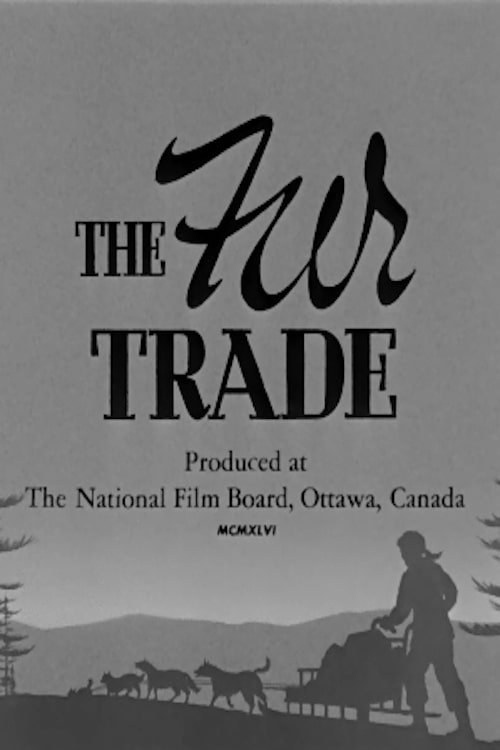
This short film from 1946 presents an outline of the fur trade's history and the commercial use of fur in Canada. A thirst for fur by the kings and courts of the Old World positioned the fur trade as part of the country's industrial economy. Fur farming and conservation became increasingly important, although the lonely life of the trapper remained the same. This film offers a view of both.




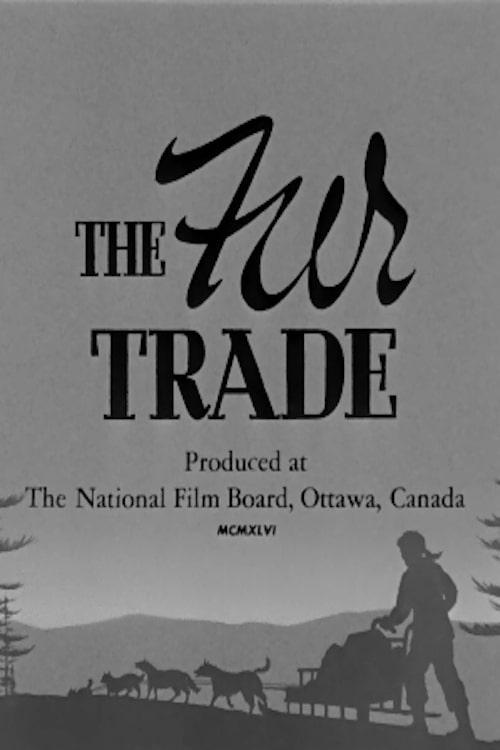
No cast information.
Similar Movies

A feature-length documentary which examines a deeply disturbing episode in Canadian history, when an impoverished couple was coerced by undercover law enforcement agents into carrying out a terrorist bombing. Further, viewers learn that this case is far from unique in the context of Canadian intelligence.
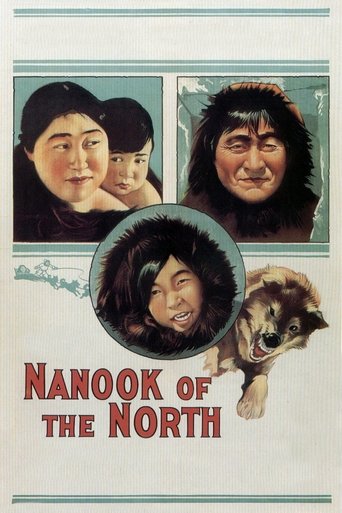
This pioneering documentary film depicts the lives of the indigenous Inuit people of Canada's northern Quebec region. Although the production contains some fictional elements, it vividly shows how its resourceful subjects survive in such a harsh climate, revealing how they construct their igloo homes and find food by hunting and fishing. The film also captures the beautiful, if unforgiving, frozen landscape of the Great White North, far removed from conventional civilization.

Through archival footage of his parents' wedding, the filmmaker reflects on love and marriage in contemporary Serbia. Observing traditional Balkan rituals, he questions his own place as an LGBT individual in a society resistant to equality. The film explores the tension between tradition and modern love, and the hope for a future where everyone can experience love freely. Through his personal journey, he confronts family expectations and dreams of acceptance.
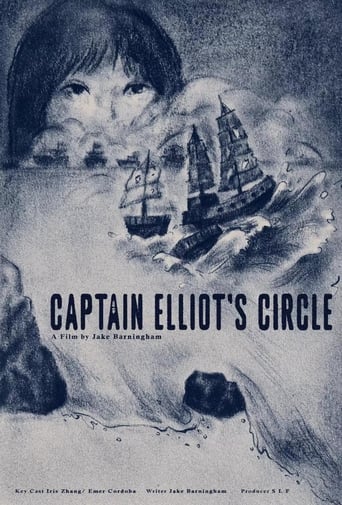
Equal parts documentary, essay, and narrative,"Captain Elliot's Circle" is mostly a poetic interaction with an obscure corner of Chinese and British history. Constructed using primary source documents about the taking of Zhoushan, Britain's first choice for a seaport, in the late 1830s,this movie uses Captain Charles Elliot's reluctance to brutalize the Chinese to reflect on the cyclical nature of history and the power structures that move it. The long takes used throughout function to illustrate the dramatically different ways in which people who lived in the mid-19th century perceived time. Additionally, it represents the psychological effect of living on an island regardless of what era you were born in.The last third of the movie focuses on a young woman whose strange day job has taken her far away from the island of Zhoushan generations after Captain Charles Elliot was last there. "Captain Elliot's Circle" was shot on location in Zhoushan and Hangzhou.

Born June 8, 1964, Frank Matter films four "twins", born the same day as him, but in other latitudes. Interweaving their life stories with rich archival material, the filmmaker links these Parallel Lives with elements from his own biography, to compose a fascinating fresco where intimate trajectories are part of the advent of the global village.
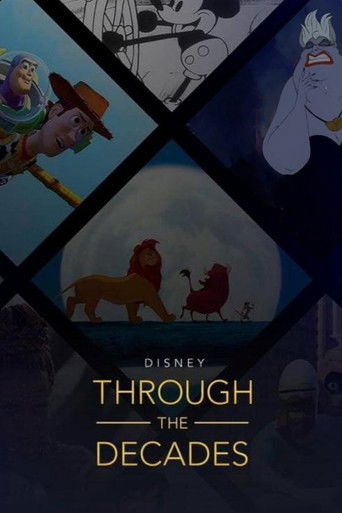
features a look through the different decades of the disney company with old footage hosted by Disney stars. appeared on the 2009 Blu-Ray release of Snow White and the Seven Dwarfs (1937), the final chapter was updated to include events that occurred after 2001. Segments featuring D.B. Sweeney from Dinosaur (2000) were replaced with new segments featuring John Ratzenberger from Pixar's films.
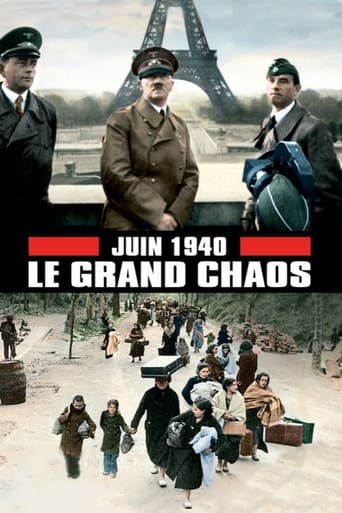
From May 10, 1940, France is living one of the worst tragedies of it history. In a few weeks, the country folds, and then collapsed in facing the attack of the Nazi Germany. On June 1940, each day is a tragedy. For the first time, thanks to historic revelations, and to numerous never seen before images and documents and reenacted situations of the time, this film recounts the incredible stories of those men and women trapped in the torment of this great chaos.

September 2022 marked the 50th anniversary of the Summit Series, the iconic hockey tournament that pitted the best players from Canada against the best from the Soviet Union. This documentary enlarges the canvas to tell the story from the unique perspectives of a diverse group who are rarely, if ever, heard: diplomats, NHL hockey legends, Soviet players, journalists, fans, broadcasters, business leaders and Team Canada’s Chairman – all reveal untold stories about what happened before, during, and after September ‘72.