

Documentary · Drama · Mystery
Overview
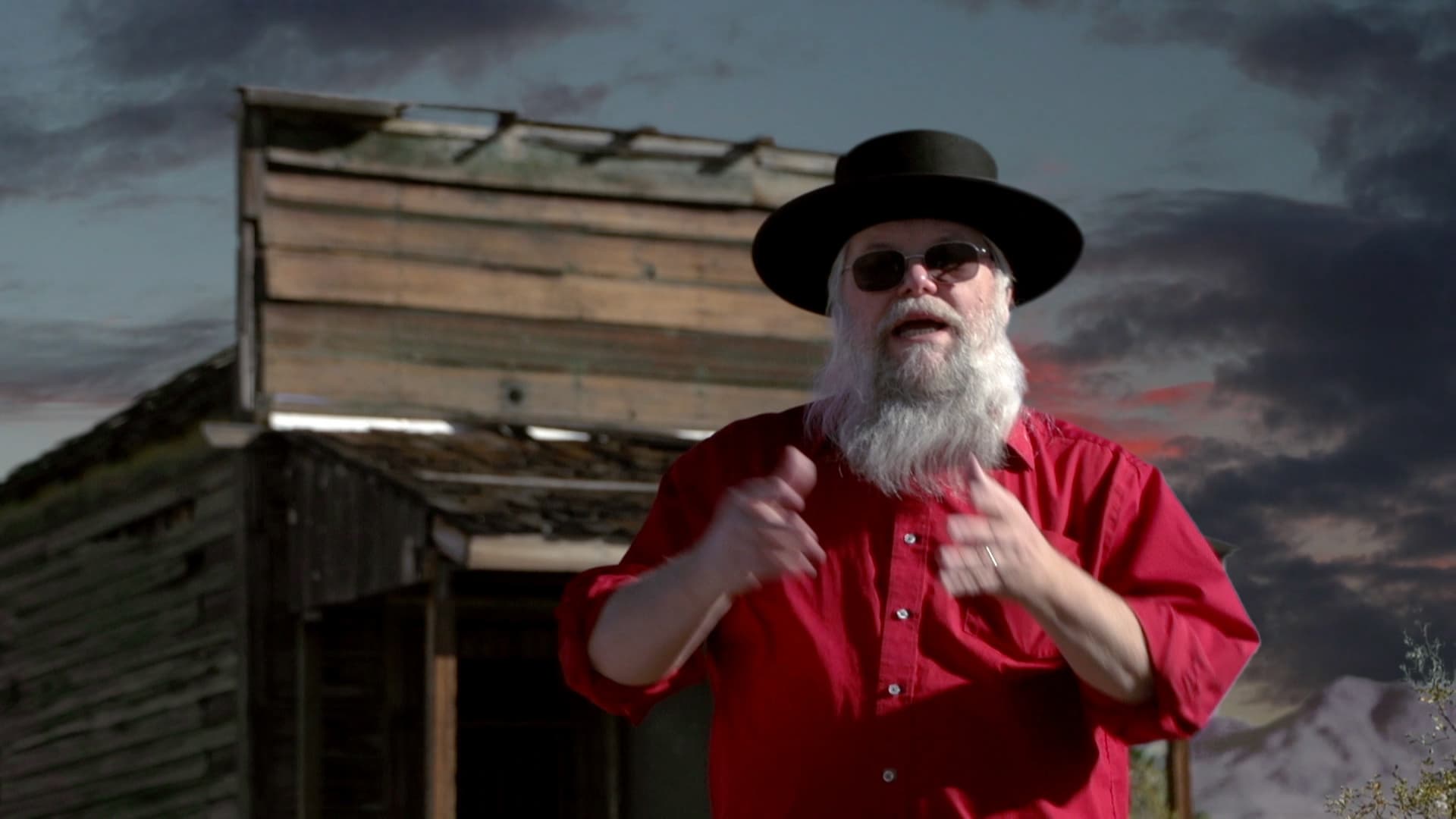
An Original Documentary Film that explores 4 unique haunted hot spots including a Gothic Haunted House, America's Oldest Lighthouse, Ryholite Ghost Town, Nevada and a haunted Train Museum. With Mark Hall-Patton from "Pawn Stars"
Top Cast
Mark Hall Patton
Historian

Dr. Heather Landon
Paranormal Investigator

Richard Stevens
Ryholite Caretaker
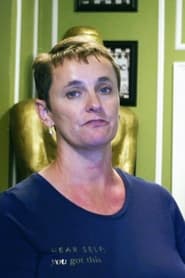
Janet Krawczyk
Paranormal Investigator
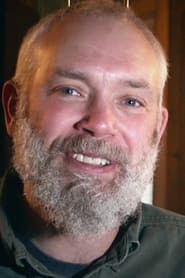
Mathew W. Anderson
Museum Caretaker
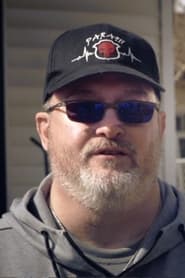
David LaFleur
Paranormal Investigator
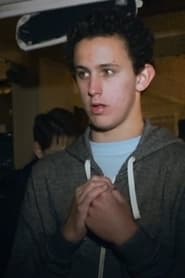
Ryan Krawczyk
Paranormal Investigator
Rosemarie LaFleur
Paranormal Investigator
Josh Landon
Paranormal Investigator
Aidan Landon
Paranormal Investigator

Tony Michalski
Podcast Host

Josh Cobbs
Podcast Host





Mark Hall Patton
Mark Hall Patton
Historian
Mark Hall Patton
Historian
Dr. Heather Landon
Dr. Heather Landon
Paranormal Investigator
Dr. Heather Landon
Paranormal Investigator
Richard Stevens
Richard Stevens
Ryholite Caretaker
Richard Stevens
Ryholite Caretaker
Janet Krawczyk
Janet Krawczyk
Paranormal Investigator
Janet Krawczyk
Paranormal Investigator
Mathew W. Anderson
Mathew W. Anderson
Museum Caretaker
Mathew W. Anderson
Museum Caretaker
David LaFleur
David LaFleur
Paranormal Investigator
David LaFleur
Paranormal Investigator
Ryan Krawczyk
Ryan Krawczyk
Paranormal Investigator
Ryan Krawczyk
Paranormal Investigator
Rosemarie LaFleur
Rosemarie LaFleur
Paranormal Investigator
Rosemarie LaFleur
Paranormal Investigator
Josh Landon
Josh Landon
Paranormal Investigator
Josh Landon
Paranormal Investigator
Aidan Landon
Aidan Landon
Paranormal Investigator
Aidan Landon
Paranormal Investigator
Similar Movies
Homo Cinematographicus is a human species whose unit of measurement and point of reference is the cinema and its derivative, television. Filmed at the 1998 Cannes Film Festival, the film offers an unspecified number of statements, talking about memories and a thousand fragments of stories, titles and film scenes, the warp of a gigantic collective Chanson de geste.
Once upon a time there was a garden, a refuge, a safe haven - 'The Garden of the Finzi Continis'. It came to life in Giorgio Bassani's 1962 semi-autobiographical novel recounting an unfulfilled love story between two young Jews in Ferrara, while fascism was raging in Italy in the late 1930's. In 1972, Vittorio De Sica's film adaptation of the book won the Oscar for Best Foreign Language Film. Since then, the fictional space of the garden became so tangible that people from all over the world come to Ferrara to look for it. Fifty years after winning the Oscar, reality and fiction come together once more, as we walk through an imaginary garden and bring to life the book, its author, its main protagonists, history, love, friendships and betrayals.
Bacteria, viruses, but also fungi, algae, pollen, and even insects: micro-organisms thrive and circulate constantly in our sky. How can so many living beings find their way into the air and circulate? How do they survive? And what influence do they have on our lives and the living world? Biodiversity, health, climate: it is only recently that scientists have begun to understand how this discreet aerial "plankton" affects our lives and our ecosystem. But despite their many virtues, some of these micro-organisms are now threatened by human activities. With the help of experts and 3D models, this scientific investigation plunges us into the heart of a still mysterious world, and reveals the diversity and fragility of the air we breathe.
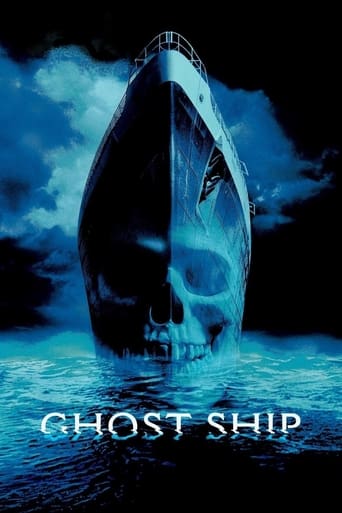
Trapped within an eerie mist, the residents of Antonio Bay have become the unwitting victims of a horrifying vengeance. One hundred years earlier, a ship carrying lepers was purposely lured onto the rocky coastline and sank, drowning all aboard. Now they're back – long-dead mariners who've waited a century for their revenge.
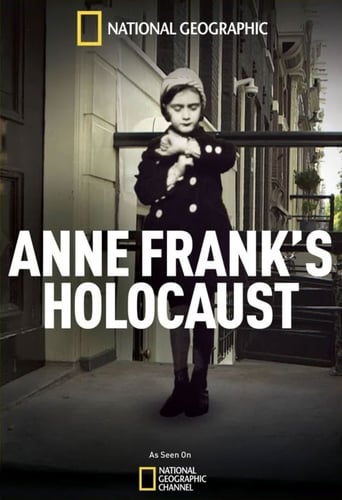
Anne Frank's world famous diary came to an abrupt end shortly before she and her family were discovered hiding from the Nazis in a secret annex at the top of Otto Frank's office building, on August 4, 1944. While her diary tells the story of Anne's life, the story of her death reveals the atrocities encountered by millions of Jews during the Holocaust. In a solemn remembrance of the horrors that Anne Frank and these millions of others suffered during the dark days of World War II, National Geographic Channel (NGC) takes viewers inside the concentration camps in a two-hour special. In keeping with NGC's tradition of unparalleled storytelling, Anne Frank's Holocaust incorporates new findings and rarely seen photographs to reintroduce the story of the massacre of Jews in one of the most comprehensive documentaries on the subject to date.
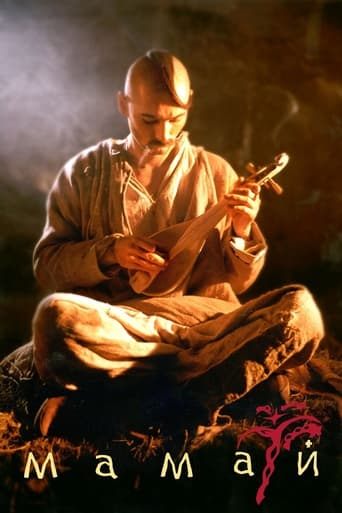
Mamay draws on traditional Ukranian and Tatar folktales for its Romeo and Juliet-like love story and parable about chivalry and the struggle for freedom. Hundreds of years ago, in the wild steppes of Crimea that form an uneasy border between East and West, Europe and Asia, nomad and farmer, the proud Cossack Mamay falls in love with the Tatar beauty Omai. The title, like the storyline, holds a variety of different meanings taken from different cultures. In Turkic languages, it means "no one," but it was also the name of a famous Mongol conqueror, the great grandson of Ghengis-Khan. In Persian legends, mamay literally means "the spirit of the steppes. "