


Documentary
Overview
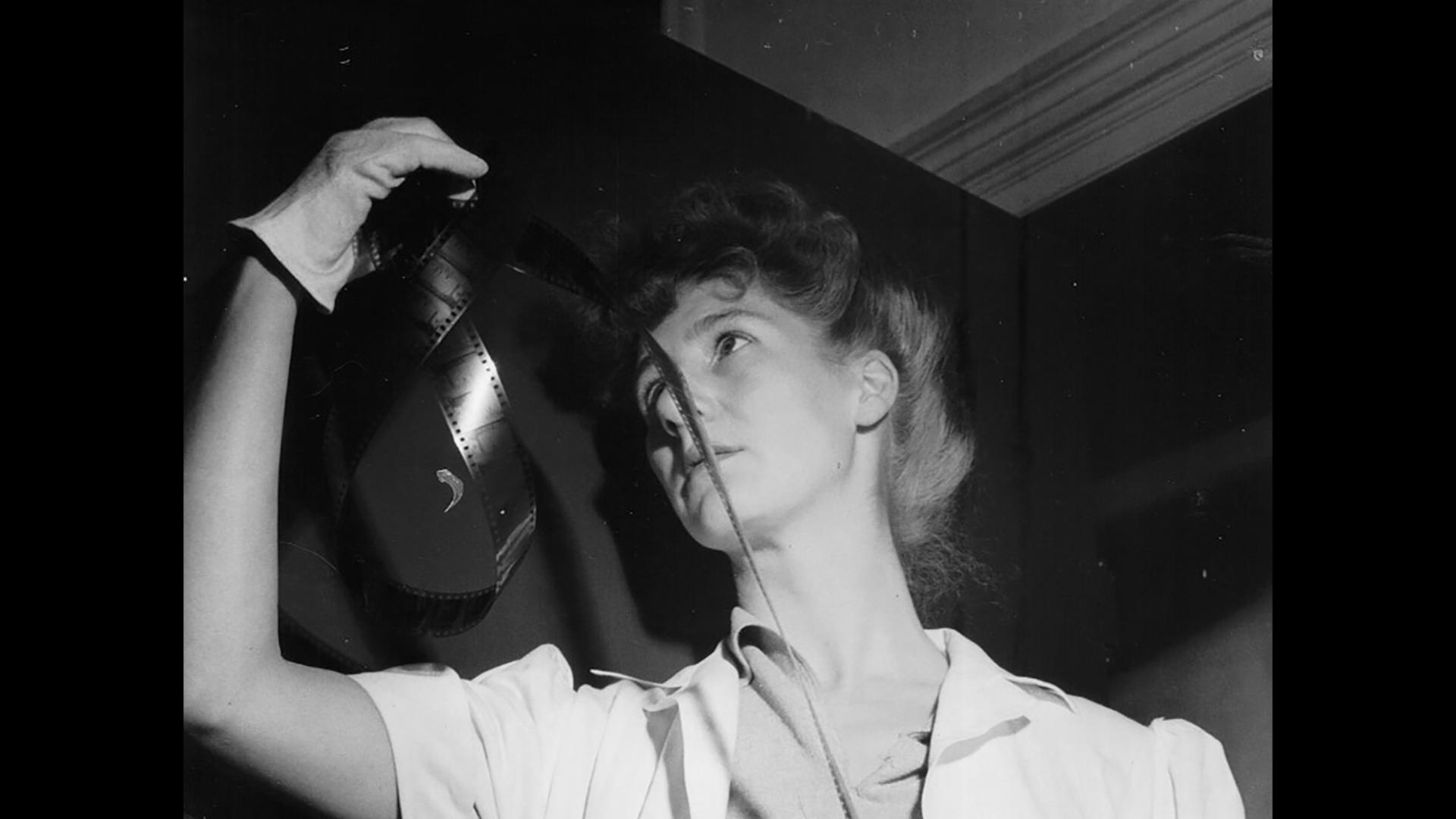
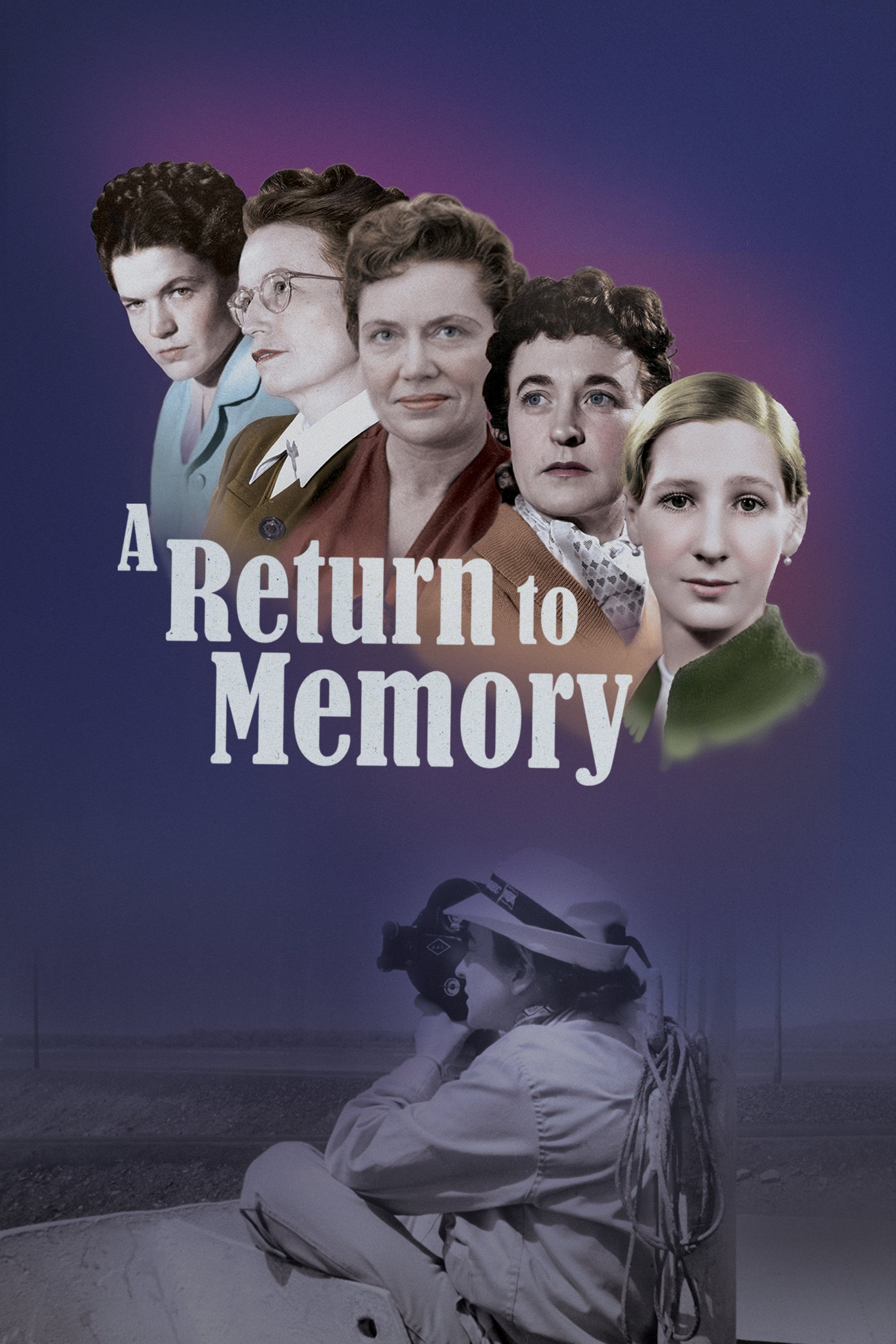
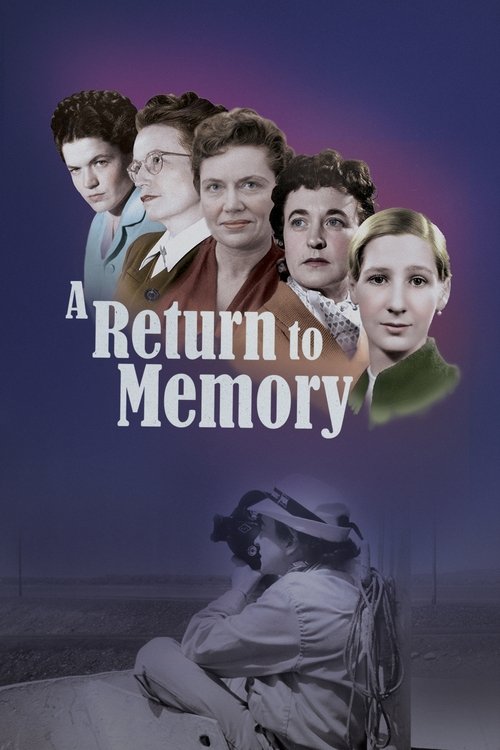
When Canada entered World War II, the National Film Board suddenly had an urgent new mission—and hundreds of women stepped forward, helping to create Canadian cinema as we now know it.
Top Cast
Clare Coulter
Self - Narrator (voice)
Donald McWilliams
Self - Narrator (voice)
John Grierson
Self (archive sound)
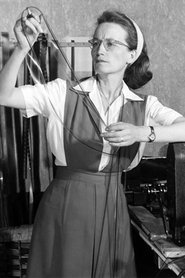
Evelyn Cherry
Self (archive footage)
Margaret Ellis
Self (archive footage)
Margaret Ann Bjornson
Self (archive footage)
Gudrun Parker
Self (archive footage)
Susan Schouten
Self - group discussion leader


Clare Coulter
Clare Coulter
Self - Narrator (voice)
Clare Coulter
Self - Narrator (voice)
Donald McWilliams
Donald McWilliams
Self - Narrator (voice)
Donald McWilliams
Self - Narrator (voice)
John Grierson
John Grierson
Self (archive sound)
John Grierson
Self (archive sound)
Evelyn Cherry
Evelyn Cherry
Self (archive footage)
Evelyn Cherry
Self (archive footage)
Margaret Ellis
Margaret Ellis
Self (archive footage)
Margaret Ellis
Self (archive footage)
Margaret Ann Bjornson
Margaret Ann Bjornson
Self (archive footage)
Margaret Ann Bjornson
Self (archive footage)
Gudrun Parker
Gudrun Parker
Self (archive footage)
Gudrun Parker
Self (archive footage)
Susan Schouten
Susan Schouten
Self - group discussion leader
Susan Schouten
Self - group discussion leader
Similar Movies
Part of the Canada Carries On series, this short film portrays the First Division of the Canadian Active Service Force in Aldershot, England. Using an intimate letter home as a narrative device, this film reveals how the troops were received, what their living conditions were like, how they would get along with their English allies and how they spent their leisure time.
1981: for the first time, contemporary witnesses of the Holocaust speak on German television in the two-part documentary "Witnesses - Testimonies to the Murder of a People" - at prime time on the first channel. Only 36 years after the Second World War, Bremen filmmaker Karl Fruchtmann has created a counter-design to the US drama series "Holocaust". While there are hardly any people left today who can personally recount their experiences of the Holocaust, there were still many contemporary witnesses in the early 1980s for whom the murder of the European Jews was still very present. Karl Fruchtmann interviewed 60 survivors of the Nazi concentration camps in Israel and Poland, the tapes are in the archives of Radio Bremen, almost 80 hours of interviews, a historical legacy! Only a small part of them has been published so far.
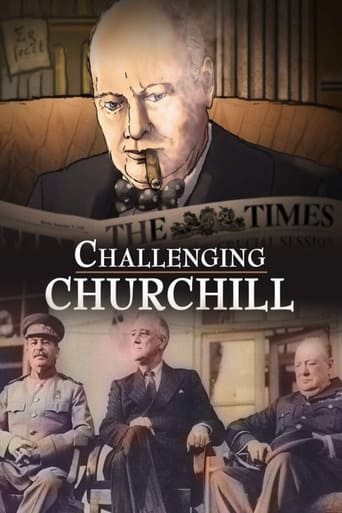
Churchill, a name typically associated with braveness and altruism. Recently found evidence from Soviet and British sources however brings up questions about Churchill's doings in the conferences of Tehran, Yalta and Potsdam. Why did he agree to give Stalin large parts of Poland? The story of two world leaders in times of war - it is also the story of Poland.
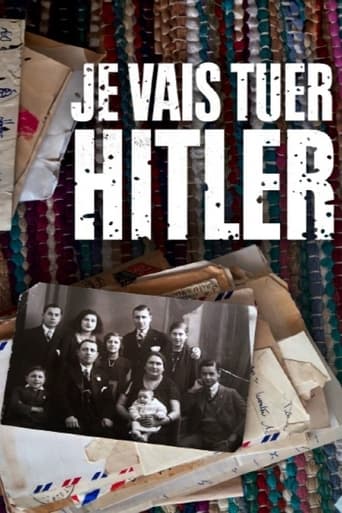
One day, in Savigny, an 18-year-old boy left his house in the middle of the war, saying: "I'm leaving, I'm going to kill Hitler." His name was Joseph, he was Jewish, he was my great-uncle. He disappeared during the night of the Occupation, and his existence became a family secret. He disappeared from history, the small as well as the big: he is not on any deportation list, and the only archive where he appears is a family photo of him as a child. It disappeared like a stone at the bottom of the water, instead of going up in smoke in the sky of Poland. What did he become? And why didn't anyone mention his name anymore?
Homo Cinematographicus is a human species whose unit of measurement and point of reference is the cinema and its derivative, television. Filmed at the 1998 Cannes Film Festival, the film offers an unspecified number of statements, talking about memories and a thousand fragments of stories, titles and film scenes, the warp of a gigantic collective Chanson de geste.
The story of black and mixed race people in Nazi Germany who were sterilised, experimented upon, tortured and exterminated in the Nazi concentration camps. It also explores the history of German racism and examines the treatment of Black prisoners-of-war. The film uses interviews with survivors and their families as well as archival material to document the Black German Holocaust experience.