

Twice Colonized
Documentary
Overview
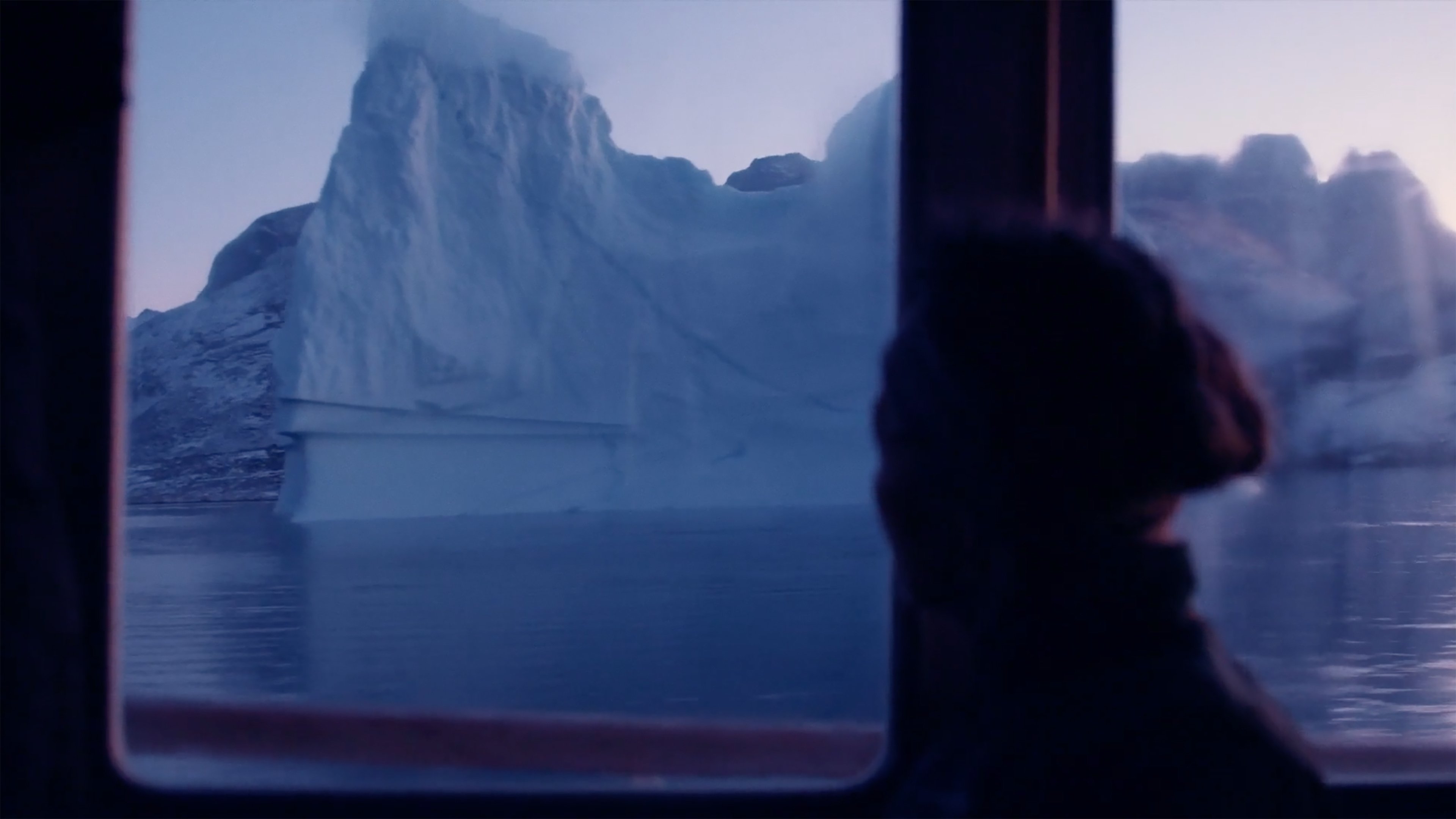
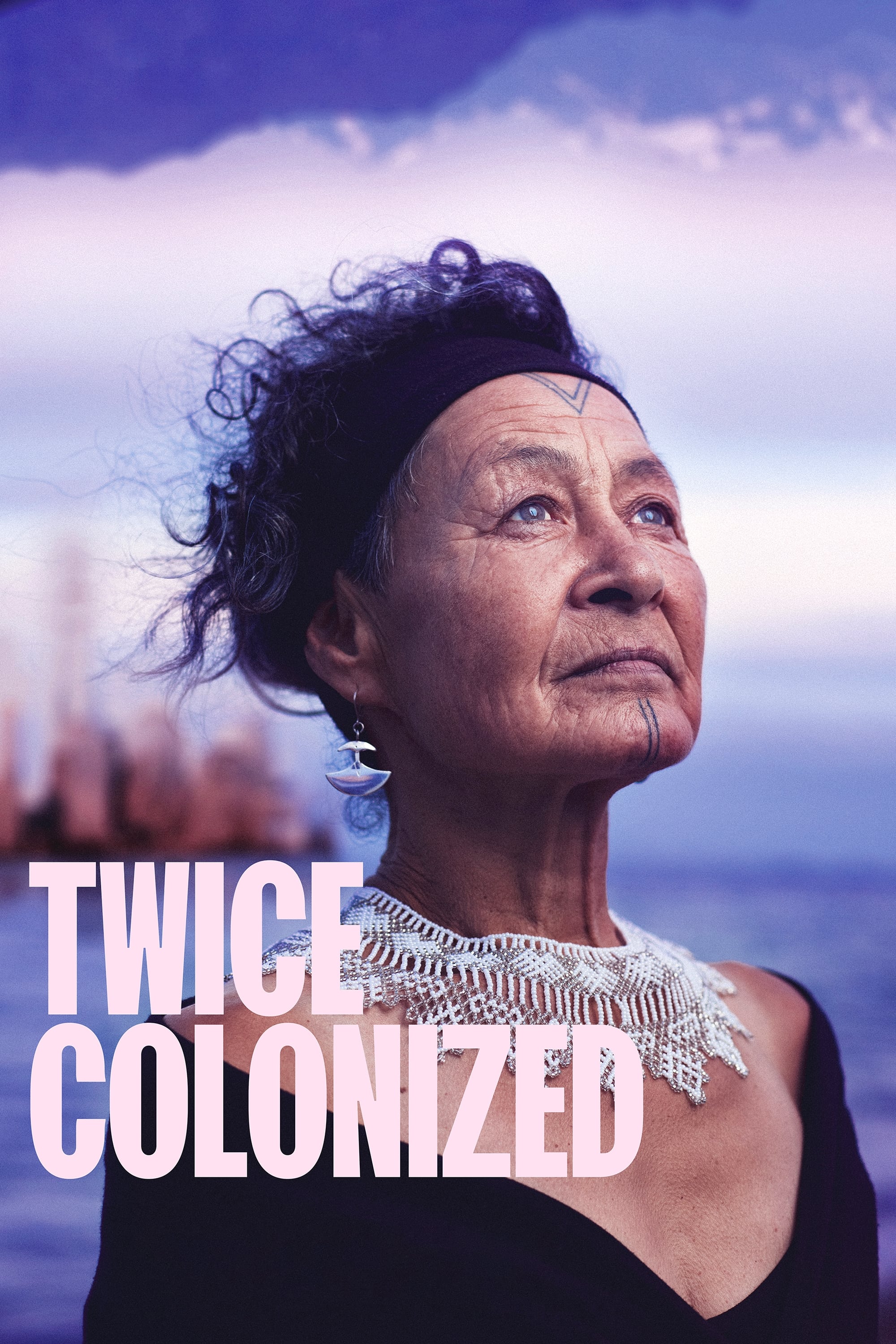
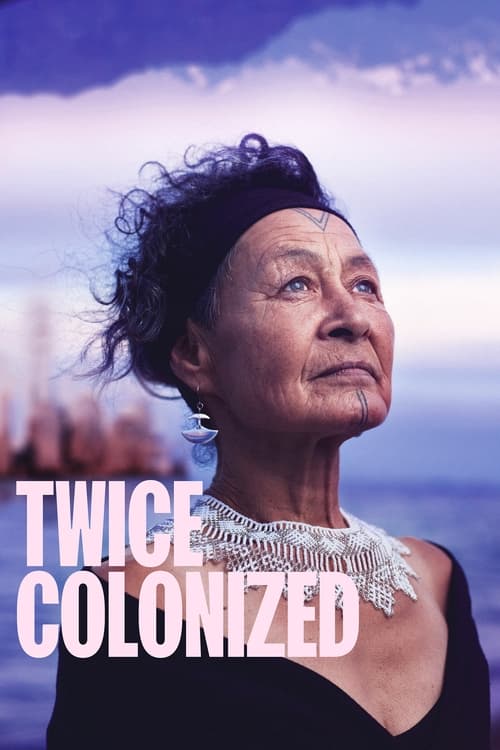
Renowned Inuit lawyer Aaju Peter has long fought for the rights of her people. When her son suddenly dies, Aaju embarks on a journey to reclaim her language and culture after a lifetime of whitewashing and forced assimilation. But can she both change the world and mend her own wounds?


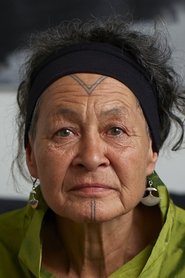
Aaju Peter
Aaju Peter
Self
Aaju Peter
Self

Sofia Jannok
Sofia Jannok
Self
Sofia Jannok
Self

Makka Kleist
Makka Kleist
Self
Makka Kleist
Self
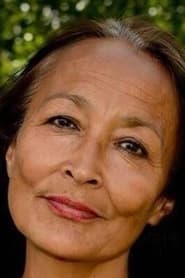
Vivi Nielsen
Vivi Nielsen
Self
Vivi Nielsen
Self

Aleqa Hammond
Aleqa Hammond
Self
Aleqa Hammond
Self
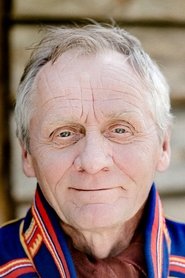
John Erling Utsi
John Erling Utsi
Self
John Erling Utsi
Self
Paninnguaq Heilmann
Paninnguaq Heilmann
Self
Paninnguaq Heilmann
Self
Asta Helms
Asta Helms
Self
Asta Helms
Self
Anne Kirstine Hermann
Anne Kirstine Hermann
Self
Anne Kirstine Hermann
Self
Rasmus Holm
Rasmus Holm
Self
Rasmus Holm
Self
Similar Movies
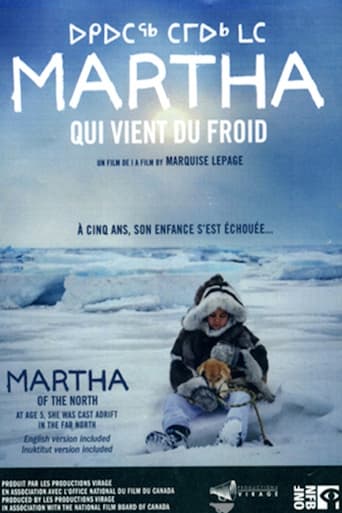
In the mid-1950s, lured by false promises of a better life, Inuit families were displaced by the Canadian government and left to their own devices in the Far North. In this icy desert realm, Martha Flaherty and her family lived through one of Canadian history’s most sombre and little-known episodes.
This short documentary depicts the formation in 1959 of the first successful co-operative in an Inuit community in Northern Québec. The film describes how, with other Inuit of the George River community, the Annanacks formed a joint venture that included a sawmill, a fish-freezing plant and a small boat-building industry.
Children of the Arctic is a portrait of five Native Alaskan teenagers growing up in Barrow - the northernmost community in the United States. As their climate and culture undergo profound changes, they strive to balance being modern American kids and the inheritors of an endangered way of life.
Zacharias Kunuk tackles the subject of the High Arctic Relocation from an Inuit point of view in the documentary Exile. In 1953, Inuit families were forcibly relocated to the uninhabited and inhospitable high arctic, 1500 kilometres north of their traditional homeland of Nunavik, in northern Québec. The goal of the move was to extend Canadian claims of sovereignty to Ellesmere Island. As a result, Inuit people were forced to endure the pain of families torn apart and many years of hardship. With devastating first-person accounts of survival, the trail of broken promises and shameful practices of the government and the RCMP, this powerful documentary captures the long-standing effects of these events from the perspectives of the people who were forced to endure them.
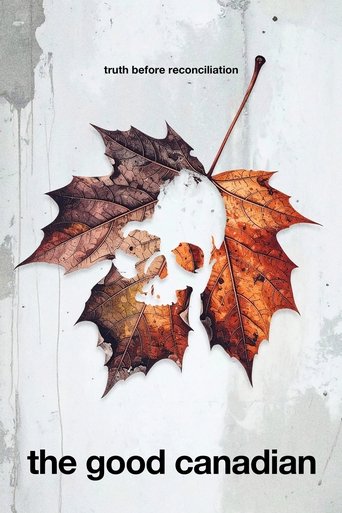
The world knows the image of the good Canadian. But what if there was a dark secret behind a national identity? THE GOOD CANADIAN exposes the truth behind the idea of a True North strong and free. In this unflinching and eye-opening documentary, directors Leena Minifie and David Paperny move us through the corridors of systemic inequity, from the Indian Act to residential schools, to modern-day family separation. Fusing shocking footage with detailed interviews with experts, advocates, whistleblowers and politicians, THE GOOD CANADIAN challenges national myth-making, while offering Canadians the chance to forge a new identity from the truth.
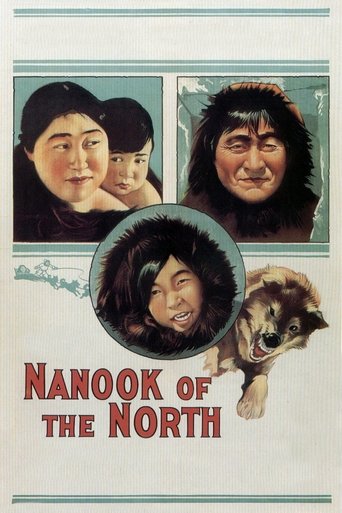
This pioneering documentary film depicts the lives of the indigenous Inuit people of Canada's northern Quebec region. Although the production contains some fictional elements, it vividly shows how its resourceful subjects survive in such a harsh climate, revealing how they construct their igloo homes and find food by hunting and fishing. The film also captures the beautiful, if unforgiving, frozen landscape of the Great White North, far removed from conventional civilization.
The first of two coproductions by the British Broadcasting Corporation and the National Film Board of Canada, People of the Seal, Part 1: Eskimo Summer is compiled from some of the most vivid footage ever filmed of the life of the Netsilik Inuit in the Kugaaruk region (formerly Pelly Bay) of the Canadian Arctic. The original films of the Netsilik series attempted to recreate the traditional lifestyle of Netsilingmiut living there. They show the incredible resourcefulness of the Netsilik (People of the Seal) who have adapted to one of the world's harshest environments. Part 1: Eskimo Summer shows how Inuit families prepare for winter by hunting seal, birds and caribou and by fishing for Arctic Char during the extended hours of daylight.
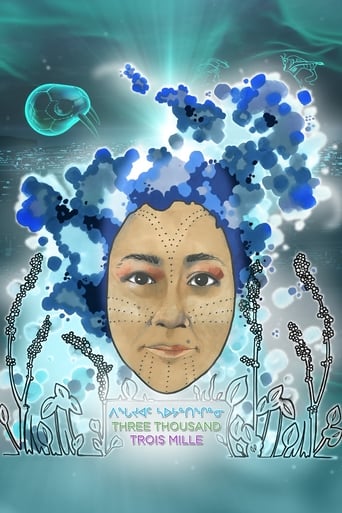
Inuit artist Asinnajaq plunges us into a sublime imaginary universe—14 minutes of luminescent, archive-inspired cinema that recast the present, past and future of her people in a radiant new light. Diving into the NFB’s vast archive, she parses the complicated cinematic representation of the Inuit, harvesting fleeting truths and fortuitous accidents from a range of sources—newsreels, propaganda, ethnographic docs, and work by Indigenous filmmakers. Embedding historic footage into original animation, she conjures up a vision of hope and beautiful possibility.