

Red Fever
Documentary
Overview
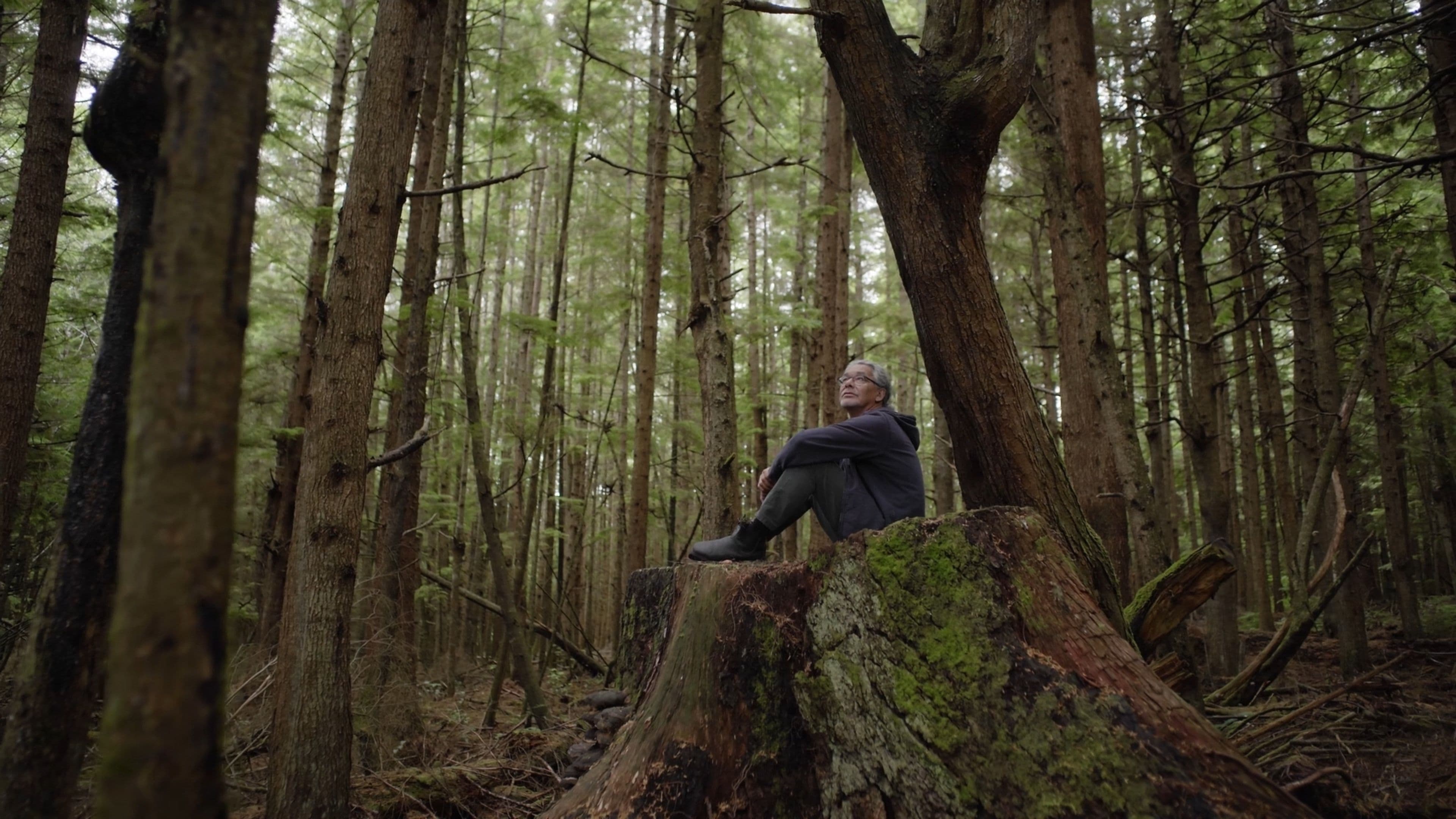
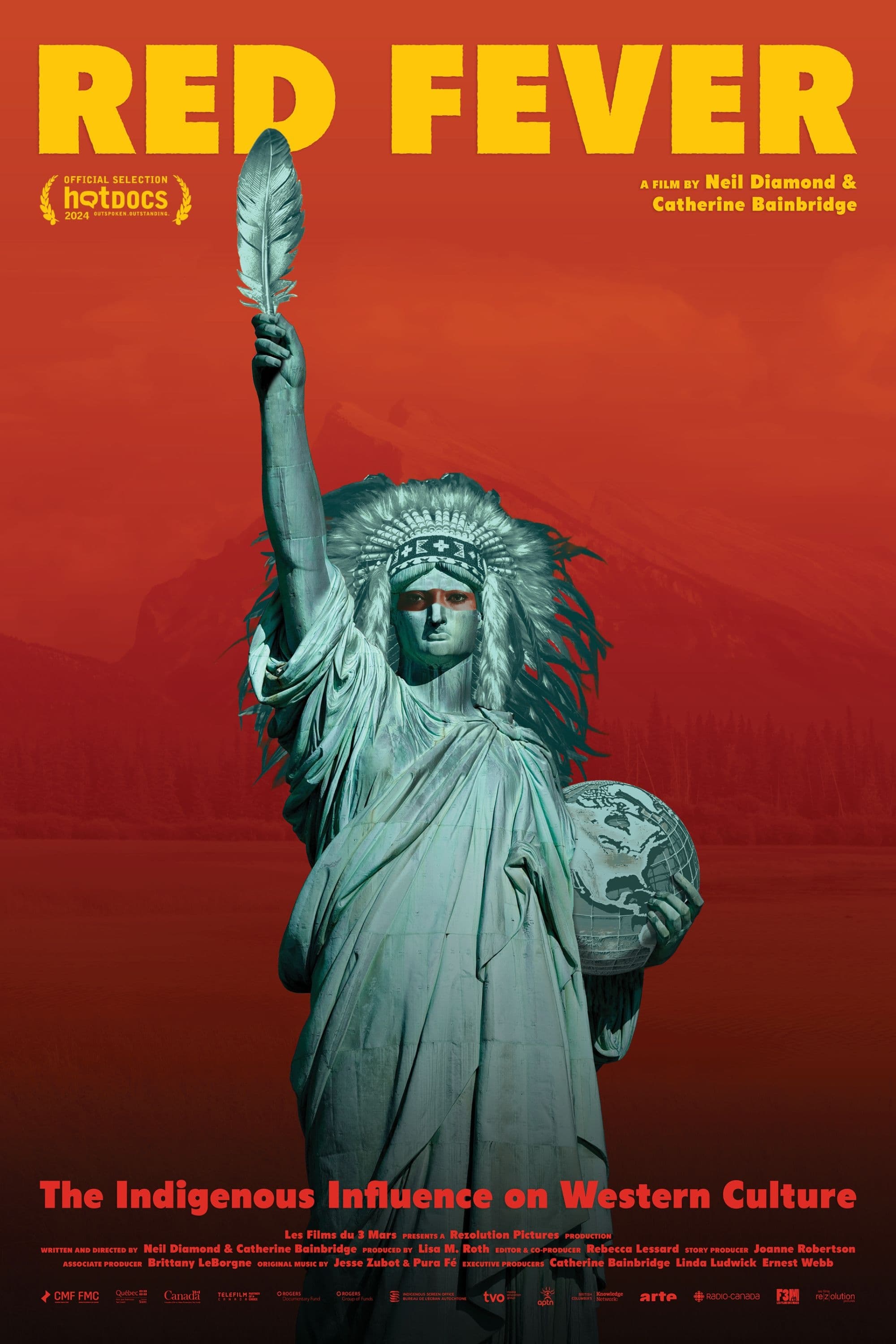
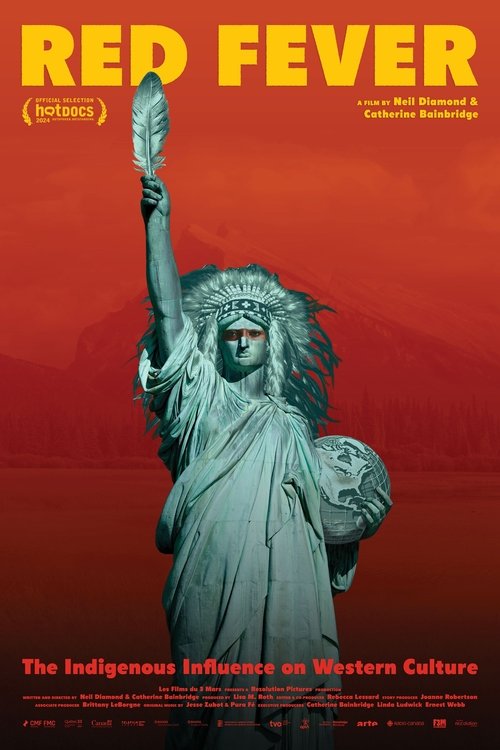
Red Fever is a witty and entertaining feature documentary about the profound -- yet hidden -- Indigenous influence on Western culture and identity. The film follows Cree co-director Neil Diamond as he asks, “Why do they love us so much?!” and sets out on a journey to find out why the world is so fascinated with the stereotypical imagery of Native people that is all over pop culture. Why have Indigenous cultures been revered, romanticized, and appropriated for so long, and to this day? Red Fever uncovers the surprising truths behind the imagery -- so buried in history that even most Native people don't know about them.
Top Cast
Neil Diamond
Self - Narrator
Christian Allaire
Self - Senior Fashion Writer, Vogue
Susan Scafidi
Self - Founder & Director, Fashion Law Institute
Angela Demontigny
Self - Fashion Designer & Artist
Adrienne Keene
Self - Indigenous Studies Scholar

Korina Emmerich
Self - Fashion Designer
Peter Strikes With A Gun
Self - Elder & Former Chief
Salome Awa
Self - Descendent of Shaman Qingailisaq
Zacharias Kunuk
Self
Jamie Okuma
Self - Artist & Fashion Designer
Sage Paul
Self - Fashion Artist
Shaun Martin
Self - Ultramarathoner & School Principal

Neil Diamond
Neil Diamond
Self - Narrator
Neil Diamond
Self - Narrator
Christian Allaire
Christian Allaire
Self - Senior Fashion Writer, Vogue
Christian Allaire
Self - Senior Fashion Writer, Vogue
Susan Scafidi
Susan Scafidi
Self - Founder & Director, Fashion Law Institute
Susan Scafidi
Self - Founder & Director, Fashion Law Institute
Angela Demontigny
Angela Demontigny
Self - Fashion Designer & Artist
Angela Demontigny
Self - Fashion Designer & Artist
Adrienne Keene
Adrienne Keene
Self - Indigenous Studies Scholar
Adrienne Keene
Self - Indigenous Studies Scholar
Korina Emmerich
Korina Emmerich
Self - Fashion Designer
Korina Emmerich
Self - Fashion Designer
Peter Strikes With A Gun
Peter Strikes With A Gun
Self - Elder & Former Chief
Peter Strikes With A Gun
Self - Elder & Former Chief
Salome Awa
Salome Awa
Self - Descendent of Shaman Qingailisaq
Salome Awa
Self - Descendent of Shaman Qingailisaq
Zacharias Kunuk
Zacharias Kunuk
Self
Zacharias Kunuk
Self
Jamie Okuma
Jamie Okuma
Self - Artist & Fashion Designer
Jamie Okuma
Self - Artist & Fashion Designer
Similar Movies
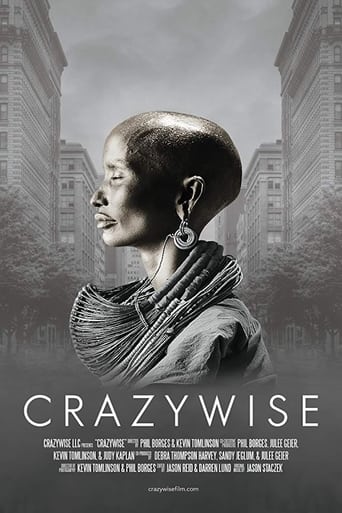
Western culture treats mental disorders primarily through biomedical psychiatry, but filmmakers Phil Borges and Kevin Tomlinson reveal a growing movement of professionals and survivors who are forging alternative treatments that focus on recovery and turning mental “illness” into a positive transformative experience.
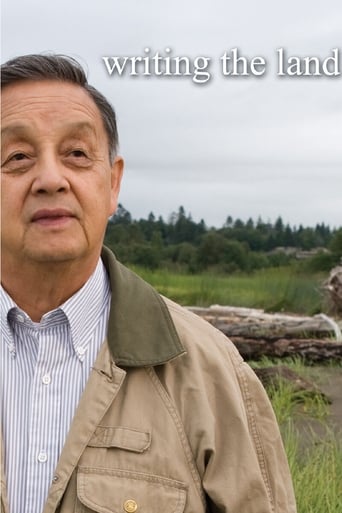
In this short documentary, a Musqueam elder rediscovers his Native language and traditions in the city of Vancouver, in the vicinity of which the Musqueam people have lived for thousands of years. Writing the Land captures the ever-changing nature of a modern city - the glass and steel towers cut against the sky, grass, trees and a sudden flash of birds in flight and the enduring power of language to shape perception and create memory.
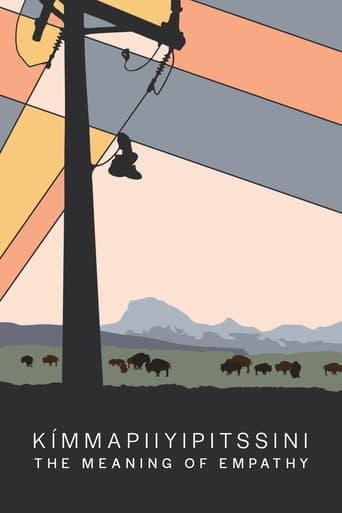
Follow filmmaker Elle-Máijá Tailfeathers as she creates an intimate portrait of her community and the impacts of the substance use and overdose epidemic. Witness the change brought by community members with substance-use disorder, first responders and medical professionals as they strive for harm reduction in the Kainai First Nation.

Today, few people's clothes attract as much attention as the royal family, but this is not a modern-day paparazzi-inspired obsession. Historian Dr. Lucy Worsley, Chief Curator at Historic Royal Palaces, reveals that it has always been this way. Exploring the royal wardrobes of our kings and queens over the last four hundred years, Lucy shows this isn't just a public fascination, but an important and powerful message from the monarchs. From Elizabeth I to the present Queen Elizabeth II, Lucy explains how the royal wardrobe's significance goes far beyond the cut and color of the clothing. Royal fashion is, and has always been, regarded as a very personal statement to reflect their power over the reign. Most kings and queens have carefully choreographed every aspect of their wardrobe; for those who have not, there have sometimes been calamitous consequences. As much today as in the past, royal fashion is as much about politics as it is about elegant attire.
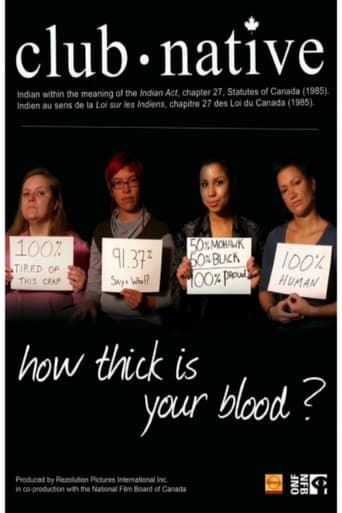
With moving stories from a range of characters from her Kahnawake Reserve, Mohawk filmmaker, Tracey Deer, reveals the divisive legacy of more than a hundred years of discriminatory and sexist government policy to expose the lingering "blood quantum" ideals, snobby attitudes and outright racism that threaten to destroy the fabric of her community.
The first of two coproductions by the British Broadcasting Corporation and the National Film Board of Canada, People of the Seal, Part 1: Eskimo Summer is compiled from some of the most vivid footage ever filmed of the life of the Netsilik Inuit in the Kugaaruk region (formerly Pelly Bay) of the Canadian Arctic. The original films of the Netsilik series attempted to recreate the traditional lifestyle of Netsilingmiut living there. They show the incredible resourcefulness of the Netsilik (People of the Seal) who have adapted to one of the world's harshest environments. Part 1: Eskimo Summer shows how Inuit families prepare for winter by hunting seal, birds and caribou and by fishing for Arctic Char during the extended hours of daylight.
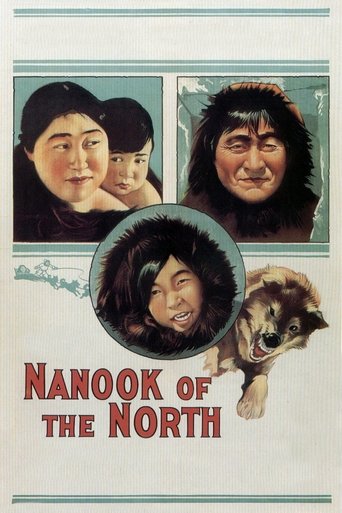
This pioneering documentary film depicts the lives of the indigenous Inuit people of Canada's northern Quebec region. Although the production contains some fictional elements, it vividly shows how its resourceful subjects survive in such a harsh climate, revealing how they construct their igloo homes and find food by hunting and fishing. The film also captures the beautiful, if unforgiving, frozen landscape of the Great White North, far removed from conventional civilization.