

Więcej światła. Festiwal operatorów filmowych Camerimage '97
Documentary
Overview
A film about the 5th International Film Festival of Cinematographers "Camerimage '97," which was held traditionally in Toruń from November 30 to December 6 last year. The author attempts to present the psychological and technical conditions of the cinematographer's profession and to sketch a collective portrait of those who practice it. The program includes interviews with the world's most outstanding cinematographers. Last year's festival brought together such great names as Ron Fortunato, Jack N. Green, and Vilmos Zsigmond. The film also shows workshops led by the best professionals in the field. Students exploring the secrets of this difficult art will talk about their expectations of the cinematographer profession. The individual sequences of the film have been composed by the director in such a way that they form a narrative sequence according to the growing emotions and moods, abstracting from the chronology of the festival events.


No cast information.
Similar Movies
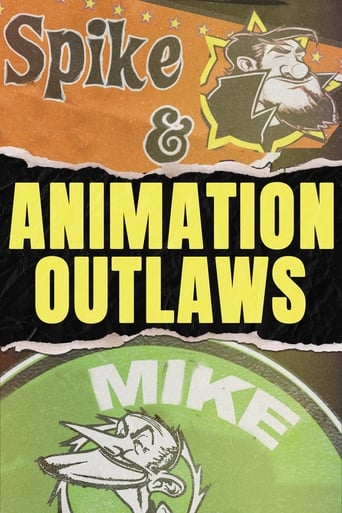
Walt Disney said “We have created characters and animated them in the dimension of depth, revealing through them to our perturbed world that the things we have in common far outnumber and outweigh those that divide us.” Outside of Walt himself there are few people who have brought together and united more animators in the history of the genre than Craig "Spike" Decker and Mike Gribble, known to all as Spike & Mike. They created an animation festival that helped launch the careers of John Lasseter, Peter Lord, Will Vinton, Bill Plympton and Mike Judge to name just a few. Their Spike & Mike festival had an enormous impact on animation that was felt the world over. The festival was known as much for the breakthrough animation it presented as the outrageous antics of the founders.
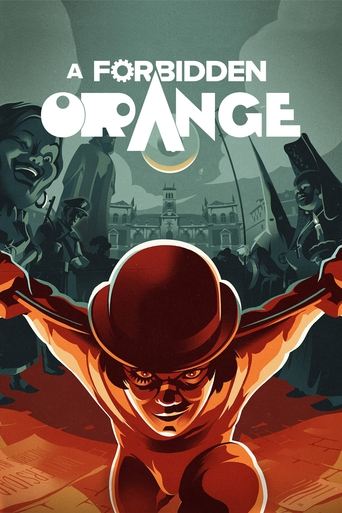
Spain, 1970s. A Clockwork Orange, a film considered by critics and audiences as one of the best works in the history of cinema, directed by Stanley Kubrick and released in 1971, was banned by the strict Franco government. However, the film was finally premiered, without going through censorship, during the 20th edition of the Seminci, the Valladolid Film Festival, on April 24, 1975. How was this possible?
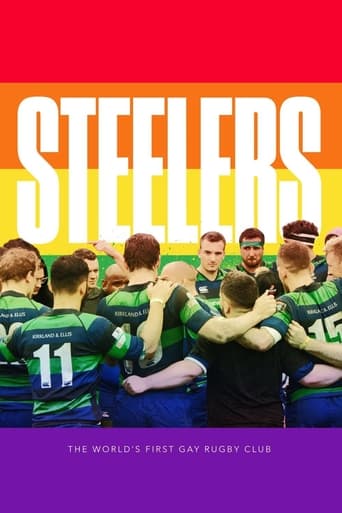
Told through the eyes of an Australian news reporter, Eammon Ashton-Atkinson, who moved to the UK to escape depression, the documentary, follows 3 characters on their journey to overcome their struggles as the club competes against 60 other gay clubs in the Bingham Cup in Amsterdam – the World Cup of gay rugby.
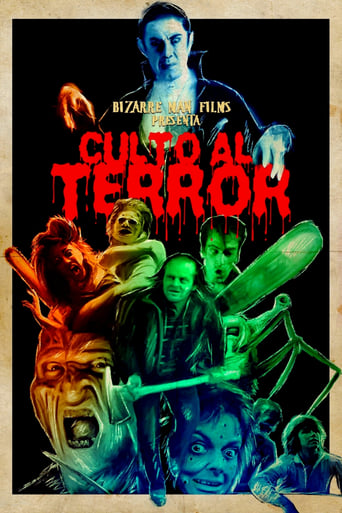
A journey of years through many countries and film festivals; a nostalgic, adrenaline-fueled and rock-spirited immersion into the universe of cinephilia, in search of genre specialists, fans and filmmakers who speak of their shared passion for fantastic cinema; a whole international spiritual community united under the cathartic shadow of horror.
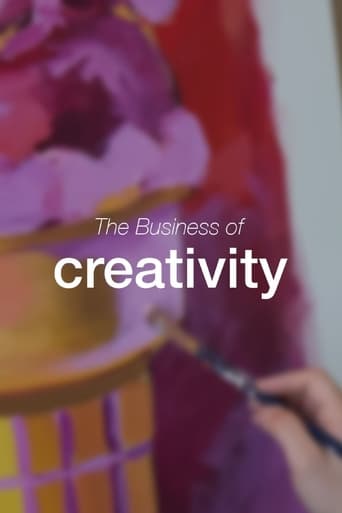
Going into my interview with Laurel Greenfield, I thought the majority of our conversation would be about her inspiration for painting food and why she chose to pursue painting as a career. We spoke about that but ended up having a much bigger conversation about pursuing a creative career. We talked a lot about finding the balance between having a business plan and taking a leap of faith into the unknown, something anyone pursuing a creative field on their own can relate to.