

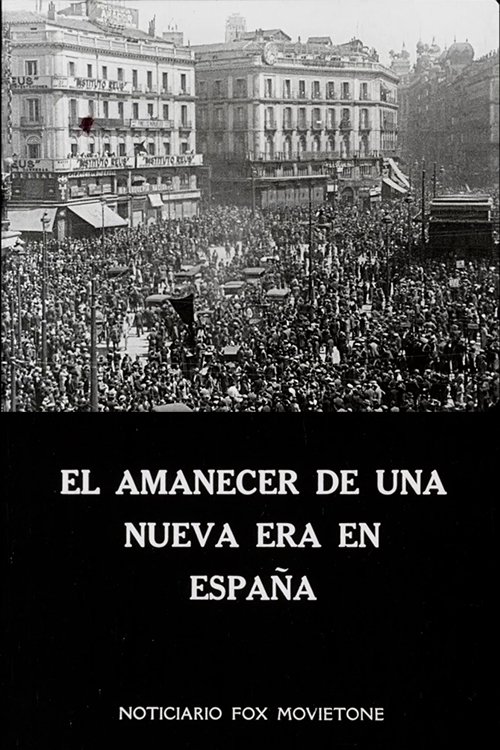
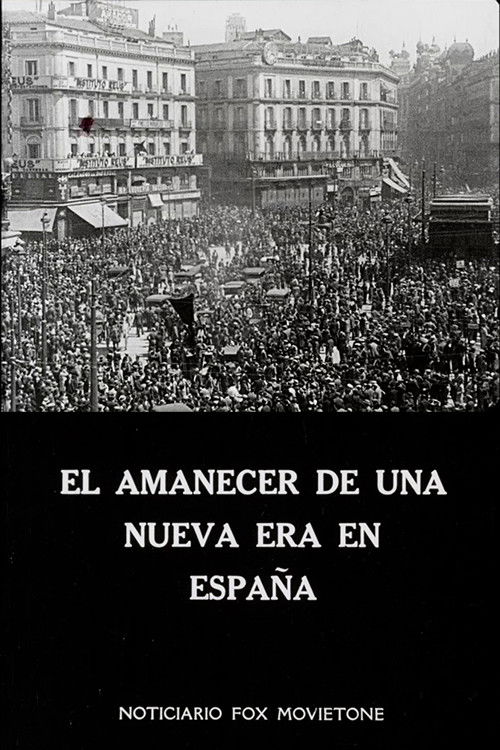
El amanecer de una nueva era en España
Documentary
Overview
A chronicle of the demonstrations and public events held on the occasion of the proclamation of the Second Spanish Republic on April 14, 1931 (Sound newsreel shot by Fox Movietone News discovered in 2009.)
Top Cast


Niceto Alcalá-Zamora
Niceto Alcalá-Zamora
Self - Politician
Niceto Alcalá-Zamora
Self - Politician
Ramón Franco
Ramón Franco
Self - Aviator
Ramón Franco
Self - Aviator
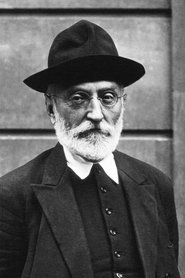
Miguel de Unamuno
Miguel de Unamuno
Self - Writer
Miguel de Unamuno
Self - Writer
Fernando de los Ríos
Fernando de los Ríos
Self - Politician
Fernando de los Ríos
Self - Politician
Victoria Kent
Victoria Kent
Self - Politician
Victoria Kent
Self - Politician
Indalecio Prieto
Indalecio Prieto
Self - Politician
Indalecio Prieto
Self - Politician
Pedro Rico López
Pedro Rico López
Self - Politician
Pedro Rico López
Self - Politician
Salvador de Madariaga
Salvador de Madariaga
Self - Diplomat
Salvador de Madariaga
Self - Diplomat
Adela Anaya
Adela Anaya
Self - Composer
Adela Anaya
Self - Composer
Similar Movies
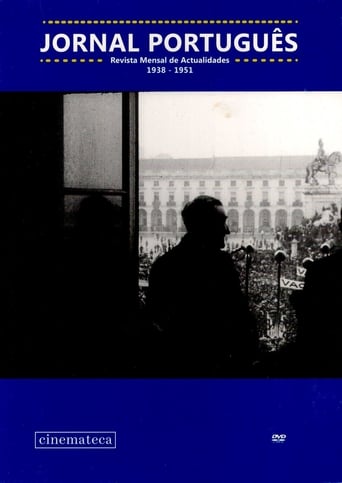
The newsreel series Jornal Português (1938-1951) was produced for the Secretariat of National Propaganda (SPN/SNI) by the "Portuguese Newsreel Society" (SPAC), under the technical supervision of António Lopes Ribeiro. It was conceived and employed as part of the propaganda machinery of Salazar's regime. Screened in cinema theatres prior to the main feature film, each issue of Jornal had approximately ten minutes in length and covered a variety of official government acts, national political news, major sports events and other assorted social and cultural affairs. Jornal Português is not only an indispensable document for the history of Estado Novo's propaganda, but also an unparalleled audiovisual archive of 1940s Portugal.

The Spanish Civil War (1936-1939) caused a great impression on the lives of most of the American artists of that era, so many movies were made in Hollywood about it. The final defeat of the Spanish Republic left an open wound in the hearts of those who sympathized with its cause. The eventful life of screenwriter Alvah Bessie (1904-1985), one of the Hollywood Ten, serves to analyze this sadness, the tragedy of Spain and its consequences.
The airship Hindenburg, arriving from Europe, was being led to its mooring at Lakehurst, New Jersey when suddenly disaster struck. The hydrogen-filled zeppelin ignited, and was almost instantly transformed into an enormous fireball. In less than a minute, the entire ship had been consumed by flames. The Hindenburg explosion marked the end of the budding airship travel industry.
Upon the outbreak of the Spanish Civil War in July 1936, the anarchist union CNT socialized the film industry in Spain, so in Madrid and Barcelona film workers took over the production assets and, between 1936 and 1938, numerous films on a wide variety of topics were released, composing a varied mosaic that gives rise to one of the most unusual and original moments of Spanish cinematography.
Spain, April 14, 1931. The Second Republic is born. From the beginning, the writer Miguel de Unamuno is considered one of the ethical pillars of the new regime. Five years later, on December 31, 1936, a few months after the outbreak of the Spanish Civil War (1936-39), Unamuno dies at his home in Salamanca, capital of the rebel side, led by General Francisco Franco, and main center of dissemination of its propaganda apparatus.
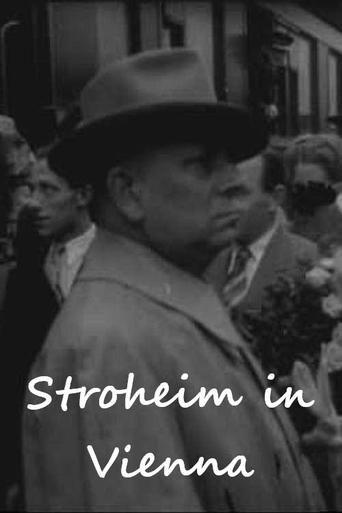
Issue No. 162 (date: July 16, 1948) of the Austrian newsreel "Welt im Film" shows Erich von Stroheim's arrival in Vienna as part of the cast of Ernst Neubach's French feature film "Le signal rouge" (1949). Translation of the newsreel voice-over: "On board the Arlberg Express, the famous American film star Erich von Stroheim arrived in Vienna. He is accompanied by the producer and author-director Ernst Neubach, the French actresses Denise Vernac and Claude Chenard, and upcoming talent Franck Villard. Erich von Stroheim, born in Vienna, left Austria for Hollywood before World War I and made a big international career there. This is his film debut in his home country."
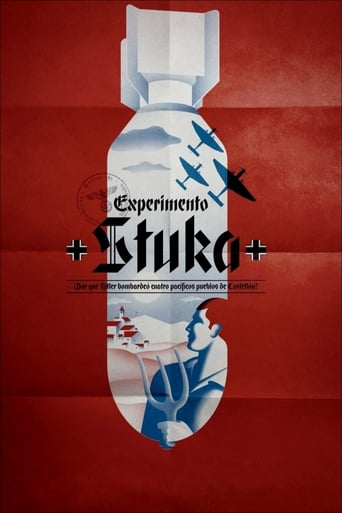
Spanish Civil War, May, 1938. Four villages in Castellón, Benassal, Albocàsser, Ares del Maestrat and Vilar de Canes, were bombed from the sky and ravaged. 38 people died. Inhabitants never knew for sure who piloted the planes responsible for such atrocity, although the rebel propaganda attributed the act to the republican side. Now, 80 years later, the truth is finally exposed.
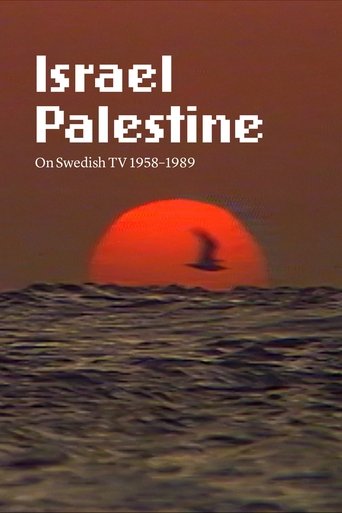
Archival film maestro Göran Hugo Olsson has assembled—from a vast catalogue of footage in the vaults of Sweden’s national television service SVT—accounts of the Israeli-Palestinian conflict as witnessed and represented by Swedish journalists. Stories of the beginning of the Israeli state interwoven with the Palestinian struggle for independence. News coverage with Yasser Arafat and interviews with Israeli foreign minister Abba Eban during a visit to Sweden unseen since first broadcast. From the tenth anniversary of Israel’s founding to the First Intifada, perspectives and encounters with statesmen, civilians, revolutionaries, and intellectuals tell the story from myriad angles of an evolving media landscape, revivifying a history of the ongoing conflict.