

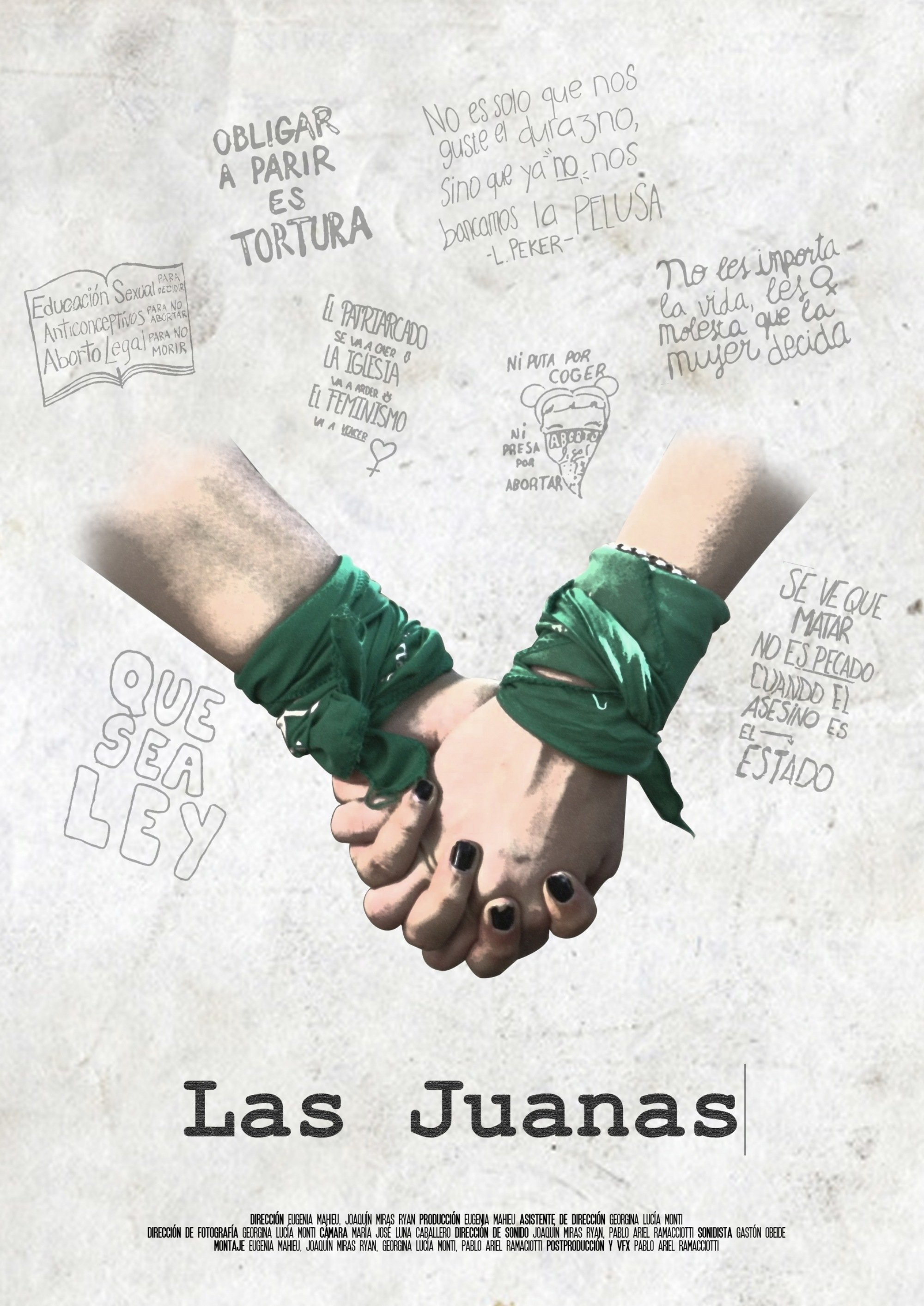
The Juanas
Documentary
Overview
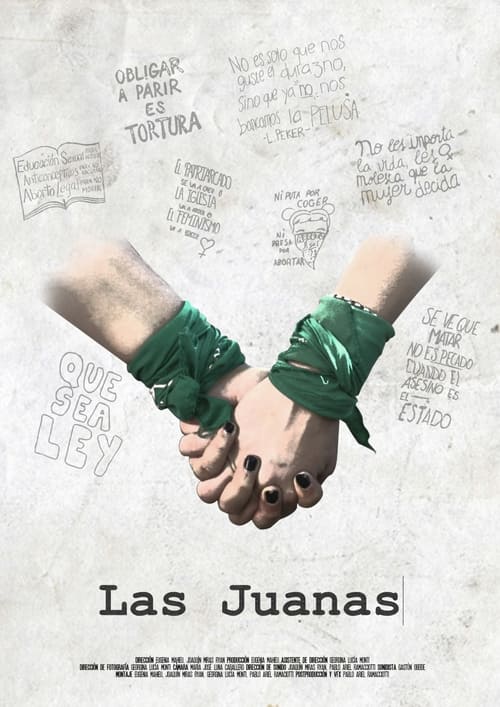
This film shows the work done by the "socorristas" feminist network. Through informative talks and stories about the actions of emotional containment these women have with others who need support, it seeks to eliminate the stigmas on abortions while also bringing out the reality of the clandestine abortion.


No cast information.
Similar Movies
All the legendary women of rock 'n' roll are brought together in this stunning collage of artists and their music. Through a music-driven mix of rare historical footage, music videos, riveting live performances and personal interviews, the lives and times of the greatest women in rock history are revealed.
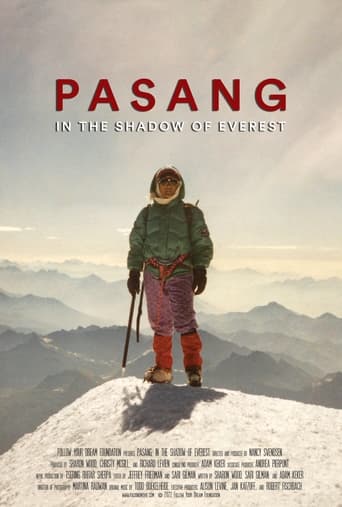
Transcending cultural barriers and consistently going against the grain, female Nepali climber Pasang Lhamu Sherpa attempted to summit Everest four times in the early nineties. Although she was not allowed to attend school as a child, Pasang did not let that stop her from pursuing her dreams. After founding her own trekking company in Kathmandu, she blazed a trail for Nepali women via her efforts to summit Everest. Proving how big you can dream and how far you can go to achieve those dreams, she left a legacy not only for the family she has left behind, but for the myriad women following in her footsteps.
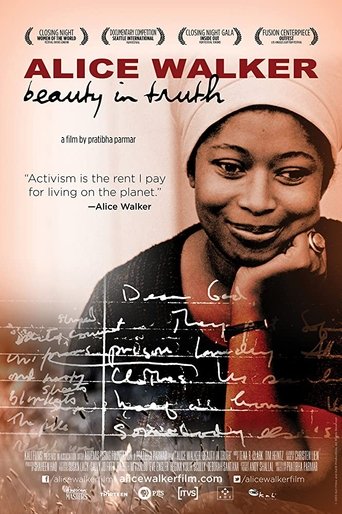
The compelling story of an extraordinary woman's journey from her birth in a paper thin shack in the cotton fields of Georgia to her recognition as a key writer of the twentieth Century.Walker made history as the first black woman to win a Pulitzer Prize for her groundbreaking novel, The Color Purple.
Despite the 1960s free-love and alternative culture, many women found that their lives and expectations had barely altered. But by the 1970s, the Women's Liberation Movement was causing seismic shifts in the march of the world's events, and women's creativity and political consciousness was soon to transform everything - including the face of publishing and literature. In 1973 a group of women got together and formed Virago Press; an imprint, they said, for 52 per cent of the population. These women were determined to make change - and they would start by giving women a voice, by giving them back their history and reclaiming women's literature.
Documentary film about the controversial movement of women seeking ordination in the Roman Catholic Church. More and more women are answering a spiritual calling to take on the vestments of priesthood and seek equality in the religion they love. These daring women have risked banishment, loss of livelihood, and even excommunication to take part in what the Church calls illicit ordinations. The Vatican has vowed to end this threat to the male hierarchy, even forbidding the mere discussion of female priests. The papacy has reached a time of crisis and the controversy over women's role, and their place in the Church, must be addressed if the Vatican is to have any relevance in the 21st century.
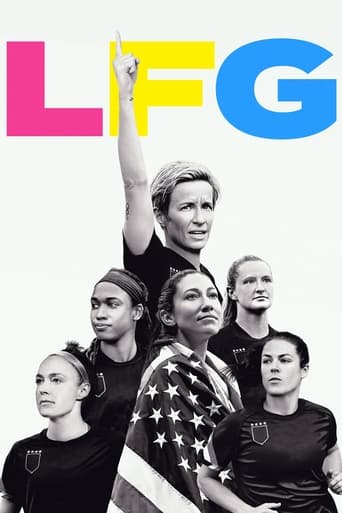
Three months before the 2019 World Cup, the U.S. Women’s National Soccer Team filed a gender discrimination lawsuit against the United States Soccer Federation. At the center of this no-holds-barred account are the players themselves–Megan Rapinoe, Jessica McDonald, Becky Sauerbrunn, Kelley O'Hara and others–who share their stories of courage and resiliency as they take on the biggest fight for women's rights since Title IX.
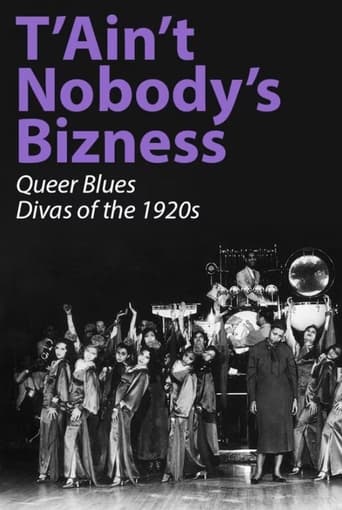
The 1920s saw a revolution in technology, the advent of the recording industry, that created the first class of African-American women to sing their way to fame and fortune. Blues divas such as Bessie Smith, Ma Rainey, and Alberta Hunter created and promoted a working-class vision of blues life that provided an alternative to the Victorian gentility of middle-class manners. In their lives and music, blues women presented themselves as strong, independent women who lived hard lives and were unapologetic about their unconventional choices in clothes, recreational activities, and bed partners. Blues singers disseminated a Black feminism that celebrated emotional resilience and sexual pleasure, no matter the source.

This documentary profiles economist and writer Marilyn Waring. In extensive interviews, Waring details her feminist approach to finances and challenges commonly accepted truths about the global economy. The filmmakers detail Waring's early rise to political prominence and her successful protests against nuclear arms. Waring also speaks candidly about wartime economies, suggesting that government policies tend to marginalize the fiscal contributions of women.