

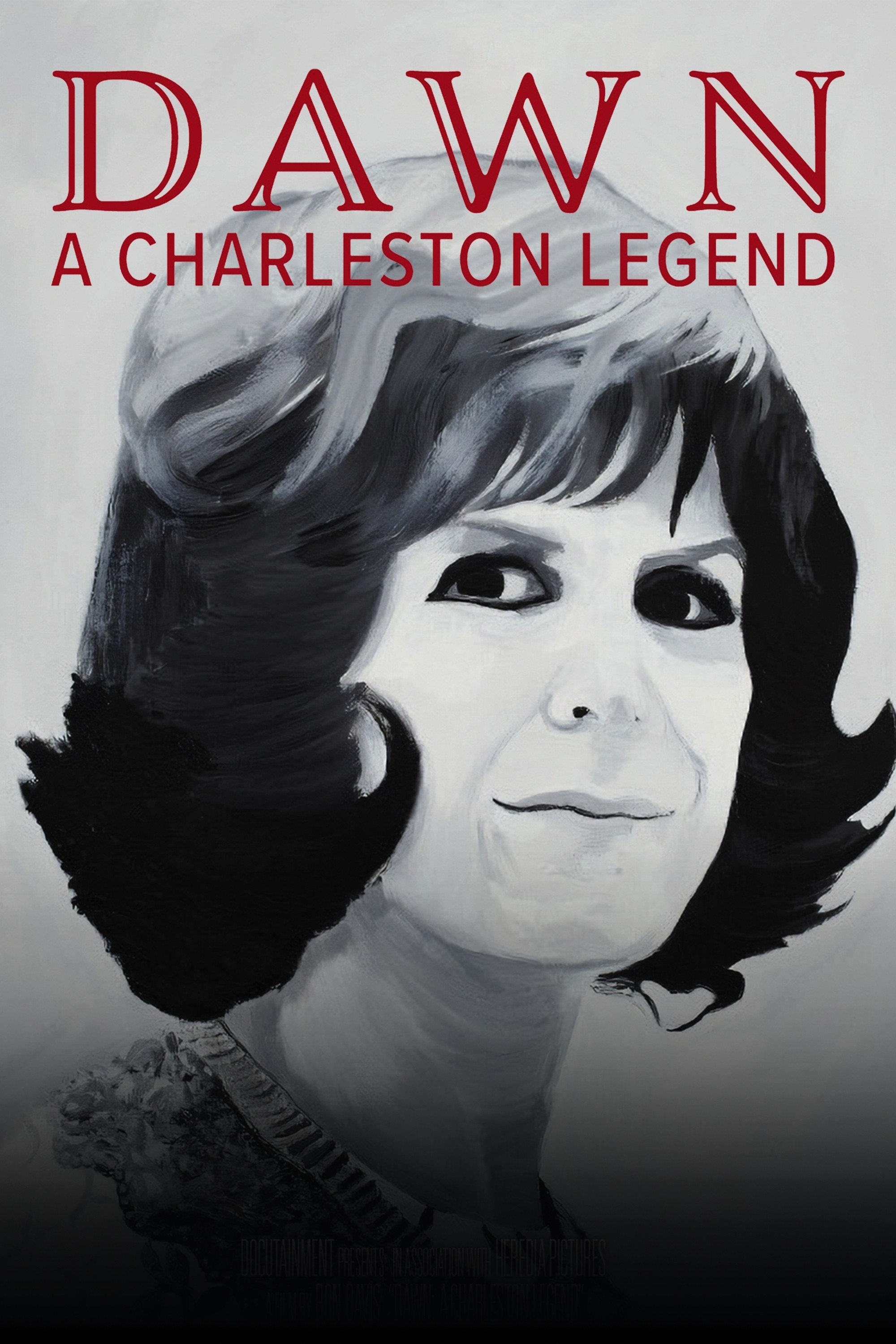
Dawn: A Charleston Legend
Documentary
Overview
In 1968, Gordon Langley Hall claimed he was a woman misdiagnosed as male at birth because of a genital defect. To correct this, Gordon underwent one of the first sex reassignment surgeries in the United States. Her subsequent marriage to a black auto mechanic and the mysterious birth of their daughter Natasha sent Charleston, SC society into a fury and cast serious doubts on the truth behind Dawn’s story.





Dawn Langley Simmons
Dawn Langley Simmons
Self (archive footage)
Dawn Langley Simmons
Self (archive footage)
Alexia Jasmene
Alexia Jasmene
Dawn Langley Simmons (voiceover)
Alexia Jasmene
Dawn Langley Simmons (voiceover)
Mildred Simmons
Mildred Simmons
Self
Mildred Simmons
Self
Natasha Simmons
Natasha Simmons
Self
Natasha Simmons
Self
Stephanie Riggio Bulger
Stephanie Riggio Bulger
Self
Stephanie Riggio Bulger
Self
John-Paul Simmons
John-Paul Simmons
Self (archive footage)
John-Paul Simmons
Self (archive footage)
Christine Jorgensen
Christine Jorgensen
Self (archive footage)
Christine Jorgensen
Self (archive footage)
Pierre Berton
Pierre Berton
Self (archive footage)
Pierre Berton
Self (archive footage)
Similar Movies
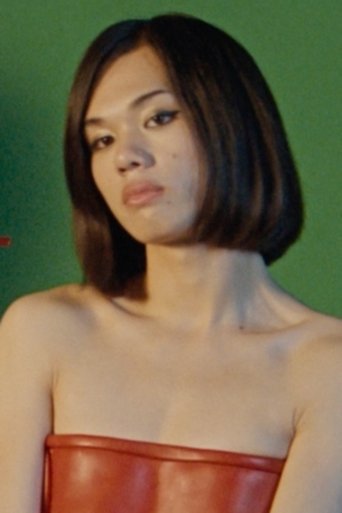
“Are you a man, or a woman?” In a world built on binaries, this is the question every trans soul must learn to answer—again and again. But imagine a future where bodies wither, yet minds ascend—consciousness can be uploaded to the cloud, and we could inhabit mechanised shells. In such a world, would gender still hold weight? Would it matter if you were man, woman, turtle or elephant?
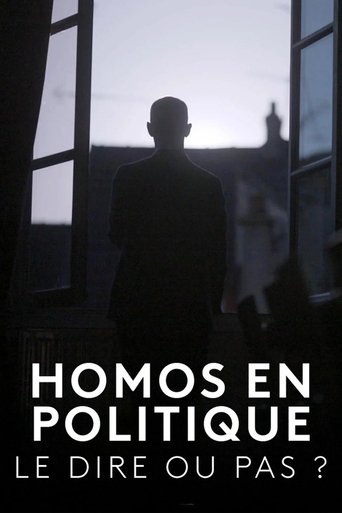
“Being French in 2024 means being able to serve as Prime Minister while openly gay.” With these words closing his policy speech on January 30, 2024, Gabriel Attal made history. The documentary *Homos en politique: le dire ou pas?* uses this milestone — the appointment and visibility of France’s first openly gay Prime Minister — as a springboard for a broader inquiry. Journalists Jean-Baptiste Marteau and Renaud Saint-Cricq travel across France to meet LGBTQ politicians of all generations, from Paris to rural towns. Eleven years after the protests against same-sex marriage, has France really changed? Through interviews with figures like Bertrand Delanoë, Sarah El Haïry, Jean-Philippe Tanguy, Franck Riester, and others, the film explores how coming out intersects with politics, homophobia, and representation — questioning whether saying “I’m gay” in politics is still an act of courage or simply a sign of the times.
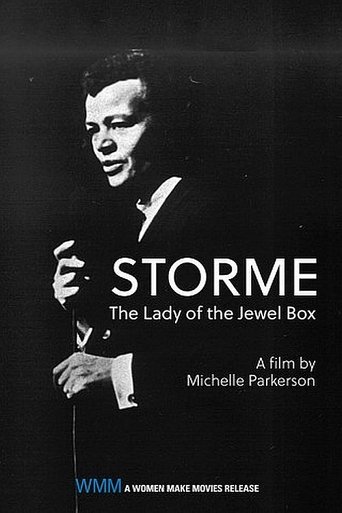
“It ain’t easy…being green” is the favorite expression of Stormé DeLarverie, a woman whose life flouted prescriptions of gender and race. During the 1950s and '60s she toured the black theater circuit as a mistress of ceremonies and the sole male impersonator of the legendary Jewel Box Revue, America’s first integrated female impersonation show and forerunner of La Cage aux Folles.
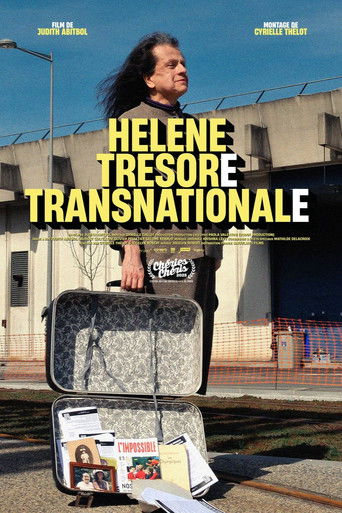
In this intimate portrait addressed directly to Hélène Hazera, filmmaker Judith Abitbol revisits a key figure of France’s countercultures from the late 1960s to the 1990s. A member of the Gazolines and the FHAR (Homosexual Front for Revolutionary Action), Hazera was a tireless LGBTQ activist who founded Act Up’s Trans and AIDS commissions—one of her proudest achievements. Her true victory, however, was becoming the first transgender journalist at a major national newspaper (Libération), and later a producer at Radio France and France TV. Through her story, Abitbol reconnects with the insurrectionary spirit and creative chaos of those decades—an era when French culture was shaken by radical imagination, humor, and defiance. The film celebrates these modern Antigones who dared to live their desires beyond the reach of any law.

Two legends contested their identities as women in the court of public opinion: April Ashley, who was immortalized as a trailblazer by embracing her transgender history; and Amanda Lear, who has consciously denied and obfuscated her history for decades. Their divergent paths reveal disparate but intertwined legacies.
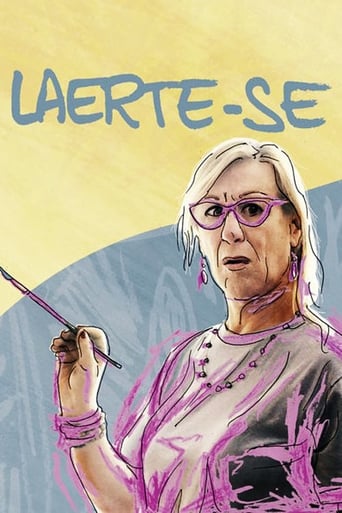
In this film, Laerte conjugates the body in the feminine, and scrutinizes concepts and prejudices. Not in search of an identity, but in search of un-identities. Laerte creates and sends creatures to face reality in the fictional world of comic strips as a vanguard of the self. And, on the streets, the one who becomes the fiction of a real character. Laerte, of all the bodies, and of none, complicates all binaries. In following Laerte, this documentary chooses to clothe the nudity beyond the skin we inhabit.