



TDS, derrière l'écran des Travailleuses Du Sexe
Documentary
Overview
"TDS, derrière l'écran des travailleuses du sexe" is a deep dive into the lives of Betty, Anaïs, Noochka, Manon, and Barty. They have all ventured into the world of selling sexual content online. What pushes someone to take the step of signing up on these platforms? What are their motivations? What are the consequences on their personal lives? Why do some choose to stick with it for years, while others decide to stop for good?






No cast information.
Similar Movies
In the indigenous communities around the town of Juchitán, the world is not divided simply into males and females. The local Zapotec people have made room for a third category, which they call “muxes” - men who consider themselves women and live in a socially sanctioned limbo between the two genders.
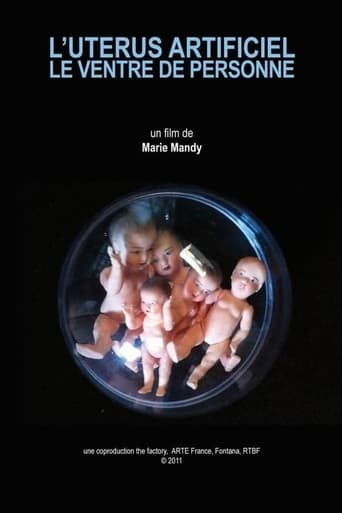
The issue of artificial insemination has biological, medical, psychological, and ethical dimensions. Filmmaker Marie Mandy approaches the topic in her own unique way, involving scientists from various disciplines. The artificial womb—is it a futuristic fairy tale or scientific reality? Filmmaker Marie Mandy uses a very personal visual style to explore the latest research findings in the field of artificial insemination. She highlights the biological, ethical, and psychological issues surrounding this (r)evolution, while also questioning the value of life and the power of science.
With no choice, César faced leaving his family behind, quitting his job and joining the Army. In an unprecedented chain of events he became the first conscientious objector in Galicia (Spain) to be put in prison. Now, nearly thirty years later, Two Years, Four Months, A Day takes a look at what made him do it.
Sex Positive explores the life of Richard Berkowitz, a revolutionary gay S&M hustler turned AIDS activist in the 1980s, whose incomparable contribution to the invention of safe sex has never been aptly credited. Mr. Berkowitz emerged from the epicenter of the epidemic demanding a solution to the problem before the outside world would take heed. Now destitute and alone, Mr. Berkowitz tells his story to a world who never wanted to listen.
In this intimate portrait addressed directly to Hélène Hazera, filmmaker Judith Abitbol revisits a key figure of France’s countercultures from the late 1960s to the 1990s. A member of the Gazolines and the FHAR (Homosexual Front for Revolutionary Action), Hazera was a tireless LGBTQ activist who founded Act Up’s Trans and AIDS commissions—one of her proudest achievements. Her true victory, however, was becoming the first transgender journalist at a major national newspaper (Libération), and later a producer at Radio France and France TV. Through her story, Abitbol reconnects with the insurrectionary spirit and creative chaos of those decades—an era when French culture was shaken by radical imagination, humor, and defiance. The film celebrates these modern Antigones who dared to live their desires beyond the reach of any law.
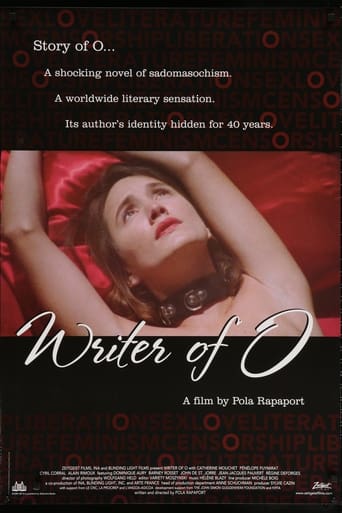
Published in Paris in 1954, Story of O was an immediate bestseller and literary scandal: an elegantly written S&M fantasy that had all the hallmarks of being an autobiographical account by the pseudonymous Pauline Réage. In 1994 Dominique Aury, a mild-mannered, dowdy editor for France’s prestigious Gallimard press, revealed her authorship. Pola Rapaport explores Aury's inspiration, recreating the world of '50s literary Paris and setting it against dramatic sequences that bring the infamous book to life. The author as well as various French intellectuals expound on the thorny relationship between sexuality and power, submission and freedom, liberation and non-being.
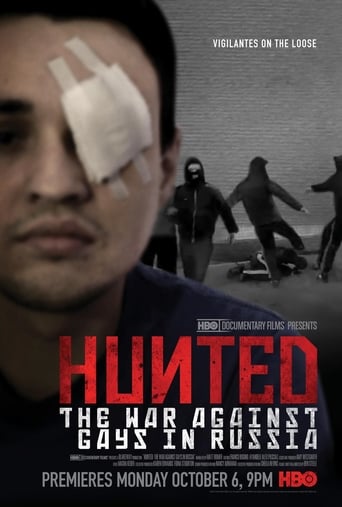
A shocking look at how a recent anti-gay amendment to a Russian propaganda law has led to increased assaults on gay men and women. In modern-day Russia, where it is estimated that just 1% of the LGBT population lives completely openly, a recent anti-gay amendment to a “propaganda” law has been followed by a rising number of assaults on gay men and women by vigilantes who, more often than not, go unpunished for their crimes.
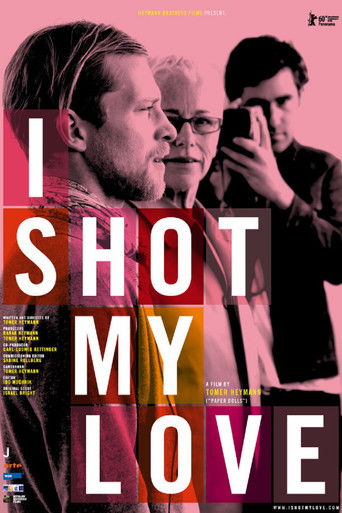
Seventy years after his grandfather escapes from Nazi Germany to Palestine, Israeli documentary director Tomer Heymann returns to the country of his ancestors to present his film "Paper Dolls" at the Berlin International Film Festival, and there meets a man who will change his life. This 48-hour love affair, originating in Berghain Panorama Bar, develops into a significant relationship between Tomer and Andreas Merk, a German dancer.