

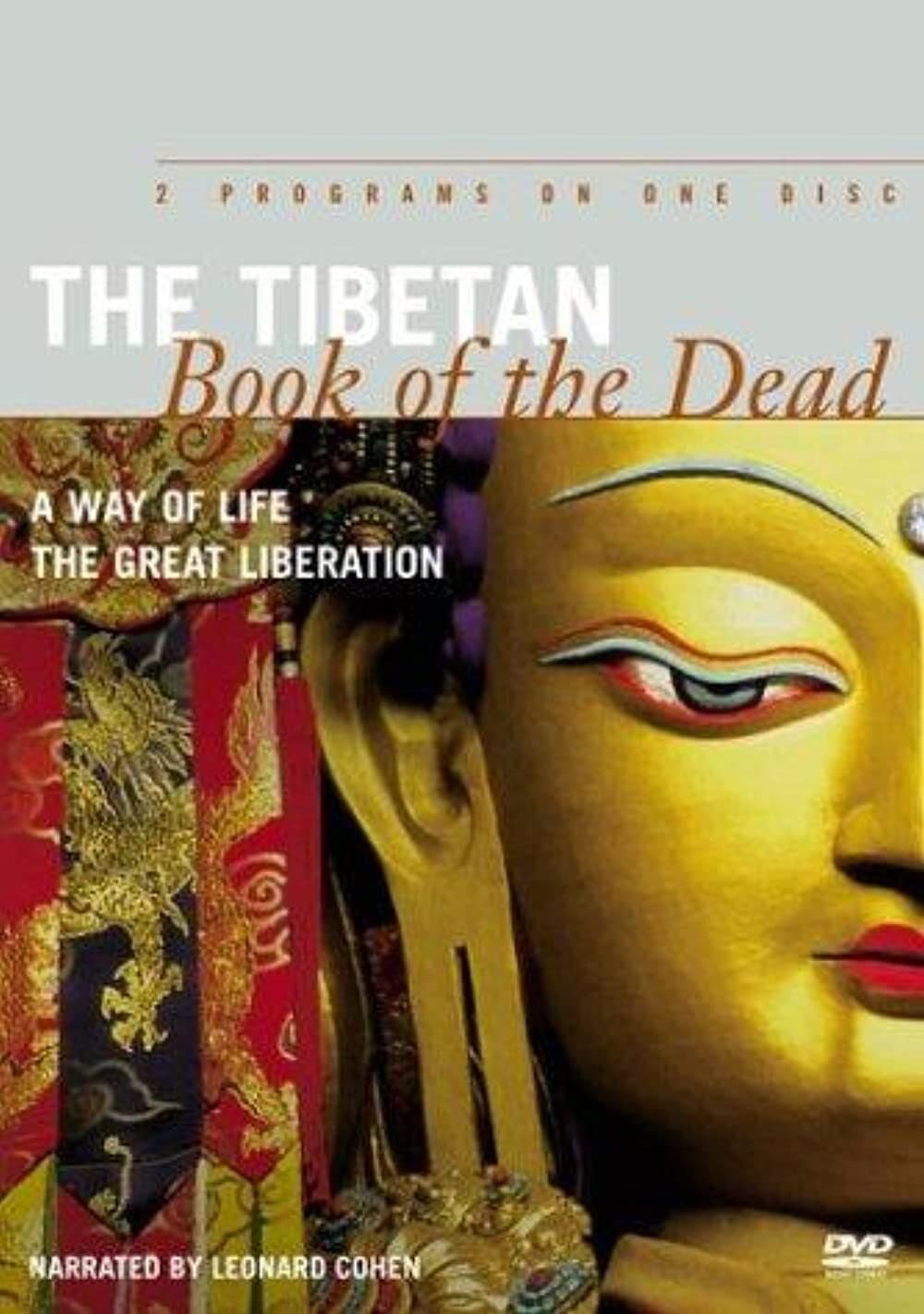
The Tibetan Book of the Dead: A Way of Life
Documentary
Overview
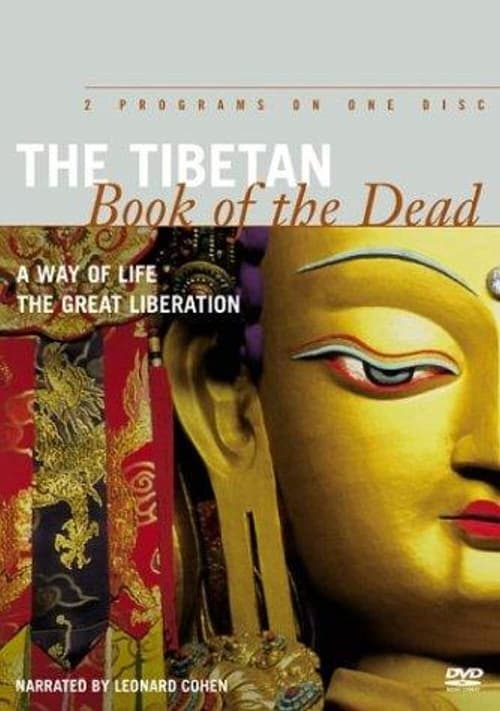
Narrated by Leonard Cohen, this two-part series explores ancient teachings on death and dying and boldly visualises the afterlife according to Tibetan philosophy. Tibetan Buddhists believe that after a person dies, they enter a state of "bardo" for 49 days until a rebirth. Program 1, The Tibetan Book of the Dead: A Way of Life documents the history of The Tibetan Book of the Dead, tracing the book's acceptance and use in Europe and North America. Program 2, The Tibetan Book of the Dead: The Great Liberation observes an old Buddhist lama and a 13-year-old novice monk as they guide a deceased person into the afterlife.

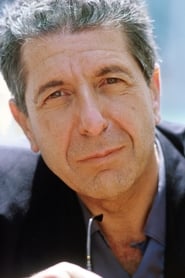
Leonard Cohen
Leonard Cohen
Narrator
Leonard Cohen
Narrator
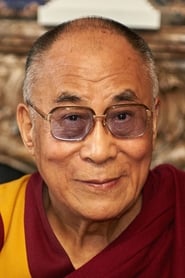
Tenzin Gyatso
Tenzin Gyatso
Self
Tenzin Gyatso
Self
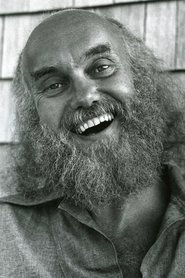
Ram Dass
Ram Dass
Self
Ram Dass
Self
Similar Movies
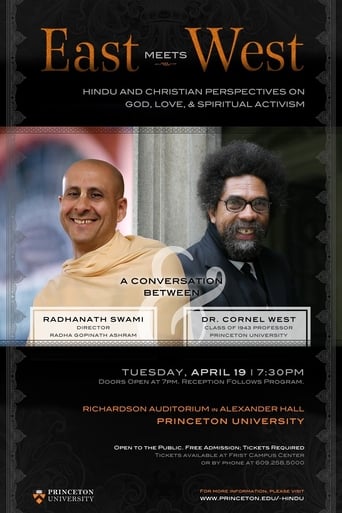
Two worlds beautifully collide as Dr. Cornel West (Class of 1943 Professor at Princeton University and acclaimed author and speaker) and His Holiness Radhanath Swami (Bhakti Yoga master, director of the Radha-Gopinath Ashram, and acclaimed author and speaker) sit down together and share their thoughts on the Divine, the mysteries of love, and the role that spirituality plays in activism.
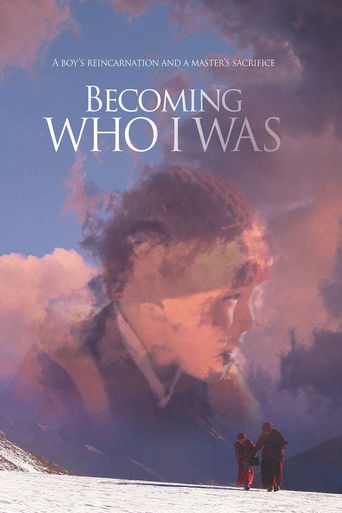
Angdu is no ordinary boy. Indeed, in a past life he was a venerated Buddhist master. His village already treats him like a saint as a result. The village doctor, who has taken the boy under his wing, prepares him to be able to pass on his wisdom. Alas, Tibet, Angdu’s former homeland and the centre of his faith, lies far away from his current home in the highlands of Northern India. On top of that, the conflict between China and Tibet makes the prospect of a trip there even more daunting. Undeterred by these harsh facts, the duo set off for their destination on foot, accompanied by questions of friendship and the nature of life. With its narrative approach steeped in a serene sense of concentration, this documentary film, composed over a period of eight years, stands as a fundamental experience in its own right.
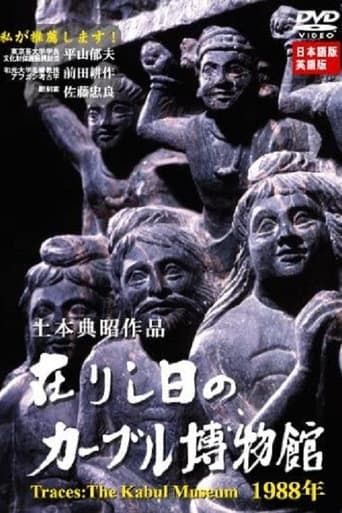
The Kabul National Museum, once known as the "face of Afghanistan," was destroyed in 1993. We filmed the most important cultural treasures of the still-intact museum in 1988: ancient Greco-Roman art and antiquitied of Hellenistic civilization, as well as Buddhist sculpture that was said to have mythology--the art of Gandhara, Bamiyan, and Shotorak among them. After the fall of the Democratic Republic of Afghanistan in 1992, some seventy percent of the contents of the museum was destroyed, stolen, or smuggled overseas to Japan and other countries. The movement to return these items is also touched upon. The footage in this video represents that only film documentation of the Kabul Museum ever made.
Street art, creativity and revolution collide in this beautifully shot film about art’s ability to create change. The story opens on the politically charged Thailand/Burma border at the first school teaching street art as a form of non-violent struggle. The film follows two young girls (Romi & Yi-Yi) who have escaped 50 years of civil war in Burma to pursue an arts education in Thailand. Under the threat of imprisonment and torture, the girls use spray paint and stencils to create images in public spaces to let people know the truth behind Burma's transition toward "artificial democracy." Eighty-two hundred miles away, artist Shepard Fairey is painting a 30’ mural of a Burmese monk for the same reasons and in support of the students' struggle in Burma. As these stories are inter-cut, the film connects these seemingly unrelated characters around the concept of using art as a weapon for change.
Paganism is claimed by some to be the fastest growing religion in Great Britain. Everyman visits a number of Pagans from different paths. Are these Pagans dangerous weirdo's or are they ordinary people with a heart-felt faith. The Pagan Federation have applied to The Charities Commission to gain official recognition as a proper Religion. Everyman follows the progress and reaction to their application.
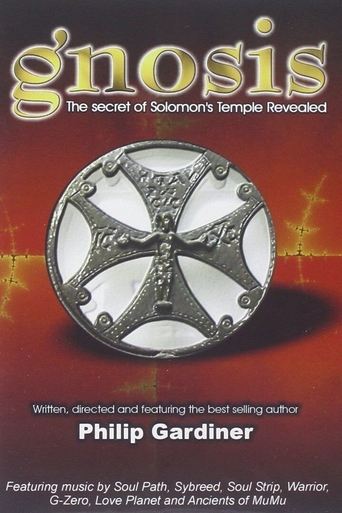
Solomon's Temple in Jerusalem, reputed to be the source of the most esoteric knowledge in human history-has fascinated scholars, seekers and dreamers for centuries. For generations, scholars and researchers have tried in vain to discover the fabled Temple of Solomon, only to be confronted by one problem after another. Gnosis weaves a tale that is both profound and precise.
Documentary examining the medieval myth of the Philosopher's Stone, a Holy Grail-type relic which supposedly held the key to alchemy and immortality. Many noted alchemists and adventurers searched obsessively for the artifact hoping to learn its powerful secrets, a quest which allegedly drove some to madness and others to celestial encounters.