


Julia Don't Get Married
Documentary
Overview
Photos, home videos and especially a series of audios recorded without Julia's consent are the essence of this film that tells the story of a woman who got married despite having many doubts and who never tired of seeking her own happiness.














Julia Azar
Julia Azar
Self
Julia Azar
Self
Negro Levy
Negro Levy
Self
Negro Levy
Self
Ariel Levy
Ariel Levy
Self
Ariel Levy
Self

Diego Levy
Diego Levy
Self
Diego Levy
Self
Clara Azar
Clara Azar
Self
Clara Azar
Self
Javier Levy
Javier Levy
Self
Javier Levy
Self
Raquel Gerber
Raquel Gerber
Self
Raquel Gerber
Self
Luis Gerber
Luis Gerber
Self
Luis Gerber
Self
Lazaro Skandarani
Lazaro Skandarani
Self
Lazaro Skandarani
Self
Raquel Anzarut
Raquel Anzarut
Self
Raquel Anzarut
Self
Similar Movies
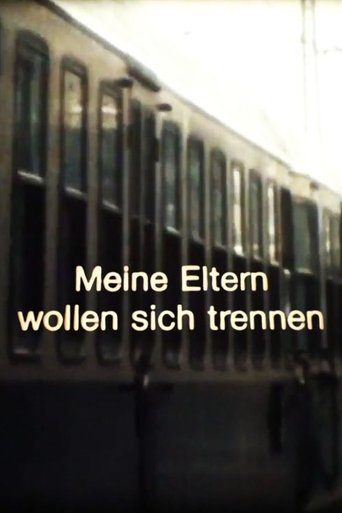
On the morning of her birthday, eight-year-old Katja learns what she has been afraid of for a long time: her parents want to separate. Instead of going to school, she takes the train into town to visit her older sister. Her sister tries to explain to Katja why everything happened and how things might continue.
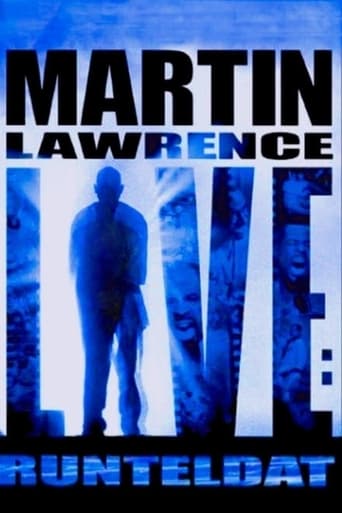
The controversial bad-boy of comedy delivers a piercing look at his life, lifting the metaphorical smokescreen that he feels has clouded the public view, commenting on everything from the dangers of smoking to the trials of relationships, and unleashing a nonstop litany of raucous anecdotes, stinging social commentary and very personal reflections about life.
Black Hole Radio is an installation that consists of taped confessions of callers of the New York City Phone Confession Line and video images. The Phone Confession Line is based on anonymous callers ringing to confess on things they had done or thought like adultery, theft, murder or regrets. Thereafter anybody could call and listen to the confessions. Although making a confession was free, listening to a confession costs money. After Cohen got his hands on the confessions, he used them as an audio heartbeat to accompany video-images of every day life in New York City he had taken over the years. This installation is a portrait of the city with its dark secrets, hushed voices and nocturnal images. In this way Cohen tries to bring across an experience to the viewer that relies on absence, waiting and the effort to hear something in the dark.

Thomas Haemmerli is about to celebrate his fortieth birthday when he learns of his mother's death. A further shock follows when he and his brother Erik discover her apartment, which is filthy and full to bursting with junk. It takes the brothers an entire month to clean out the place. Among the chaos, they find films going back to the 1930s, photos and other memorabilia.