

Kto si bez viny...
Drama


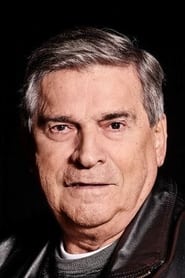
Ján Mistrík
Ján Mistrík
Ján Mistrík
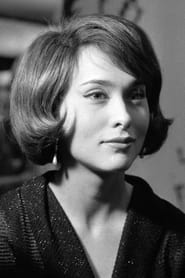
Marie Málková
Marie Málková
Marie Málková
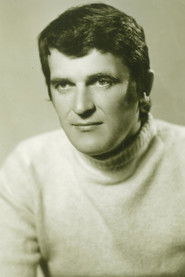
Karol Spišák
Karol Spišák
Karol Spišák
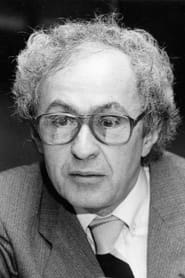
Jaroslav Kepka
Jaroslav Kepka
Jaroslav Kepka
Josef Hajdučík
Josef Hajdučík
Josef Hajdučík
Miroslav Částek
Miroslav Částek
Miroslav Částek
Dušan Skokan
Dušan Skokan
Dušan Skokan
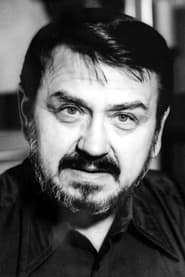
Gustáv Valach
Gustáv Valach
Gustáv Valach
Andrej Vandlík
Andrej Vandlík
Andrej Vandlík
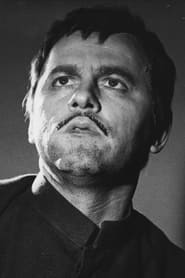
Oldřich Celerýn
Oldřich Celerýn
Oldřich Celerýn
Similar Movies
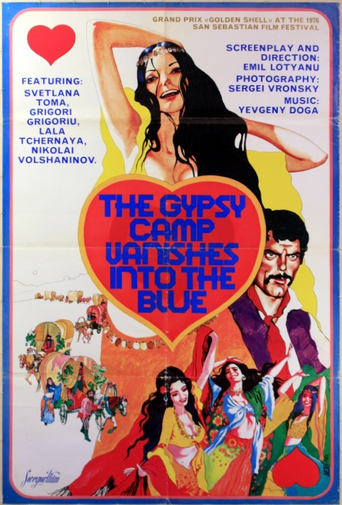
This colourful, music-filled and sensual melodrama based on early stories by Maxim Gorky tells the fatal love story between the beautiful and rebellious girl Rada and the handsome horse thief Zobar. The story is set in early 20th century Bessarabia, now part of Moldova, then belonging to the Austro-Hungarian Empire.
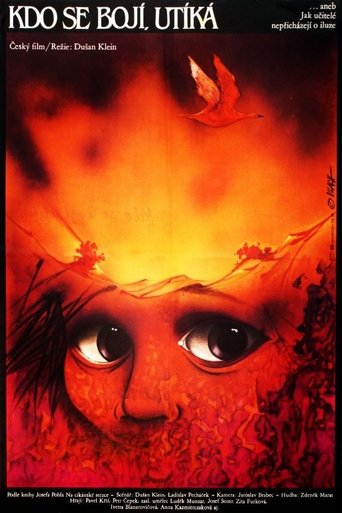
In a school somewhere in the border region, a young teacher is trying to integrate Romani children into the classroom. But their families remain suspicious of education. The filmmakers have chosen a largely romantic view that does not penetrate beneath the surface. They have included numerous folklore examples, acting as the most attractive element. The real problems can thus only be imagined.
Even in Poland today, Gypsies are viewed with profound suspicion — not that things are that much better for them anywhere else in Europe. In this coming-of-age drama, Mala, an ordinary Polish girl who is about thirteen years old, is just beginning to wake up to the world around her. When she hears the adults of the village making disparaging remarks about Gypsies, that's exactly what it takes to motivate her to go out and visit them. She has a rich and rewarding encounter, until the authorities come into their camp to drive them off. No one is harmed, and Mala's life has been changed for the better by her adventures.
The film explores the taboo subject of homosexuality within the Roma community through the personal story of a Roma activist who happens to be gay. Though his job has earned him respect among his peers, by coming out his status is in jeopardy. However, the desire to share his complex story prompted him to write a screenplay based on his life. Partly a documentary about his autobiographical script, the film switches between documentary and narrative storytelling. Owing to its distinctive style, the film offers a glimpse into the protagonist's world as he faces triple discrimination: as a Roma, as a gay man, and as a gay man in the Roma community.
Sabina has traveled from Romania to the small Swedish town Holmsund with her Roma brothers. They work in a garage and Sabina is looking for a job. Elin, born and raised in Holmsund, is in the church singing at the graduation ceremony. A summer is about to start and Sabina will get to know Elin. Together they will revolt against the old ways and find something new in each other. At the same time the society around them collapses in fear and Elin’s dad becomes insane by sorrow. Because there is a madness in the Swedish idyll.
Muzafer Bislim comes up with some of his most insightful songs while sitting on the floor, recording lyrics into a cassette recorder bought at a flea market. A poet and songwriter who collaborates with the biggest names in Romani music, the 54-year old lives a life of modest means with his family in Shutka, Macedonia. Stored in the corner of his one-room house is a tottering, ceiling-high stack of handwritten, 25,000-word, multi-dialect dictionary of the oldest and most obscure words in the Romani language, which he has painstakingly collected over 35 years. When he's invited to the International Biennial of Poets held in Paris, he sees the trip as an opportunity to have his dictionary published. A testament to the endurance of a people who have been scattered across Europe, the dictionary is not only a work of art but also a rare link to a divided past.
A Roma beggar on his knees raises many extreme emotions: guilt, rage, sympathy and frustration. Most people just walk on by, but there is always someone willing to help. In this film, the director follows the confrontations between the Roma beggars from Romania and Finnish people, and is forced to question, over and over again, her own ideas about helping.

Roma are an important part of Ukraine's population. There are quite a large number of them living in the country—between fifty and one hundred thousand. This documentary shows the peculiarities of the Gypsy people's life in modern society. You will see the stories of five Gypsy barons who will talk about the traditions of their people and reveal some secrets that were previously known only to the Roma.
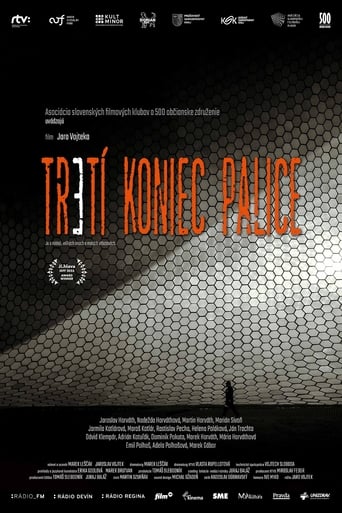
Otherness in otherness. What does it mean to be different in a community that is itself excluded from society? The documentary follows the fate of Roma who have become a minority in a minority society. Roma gays and transvestite search for their living space and dream of working abroad. A legless father of five longs for a wheelchair. A Roma grandmother sacrifices her life for the health of her beloved grandson. Will Emil, a Roma man who has found faith in God, be able to save his son from alcohol? Four stories from the poorest Roma settlements in Slovakia aim to break down prejudices between the Roma community and the white majority.