

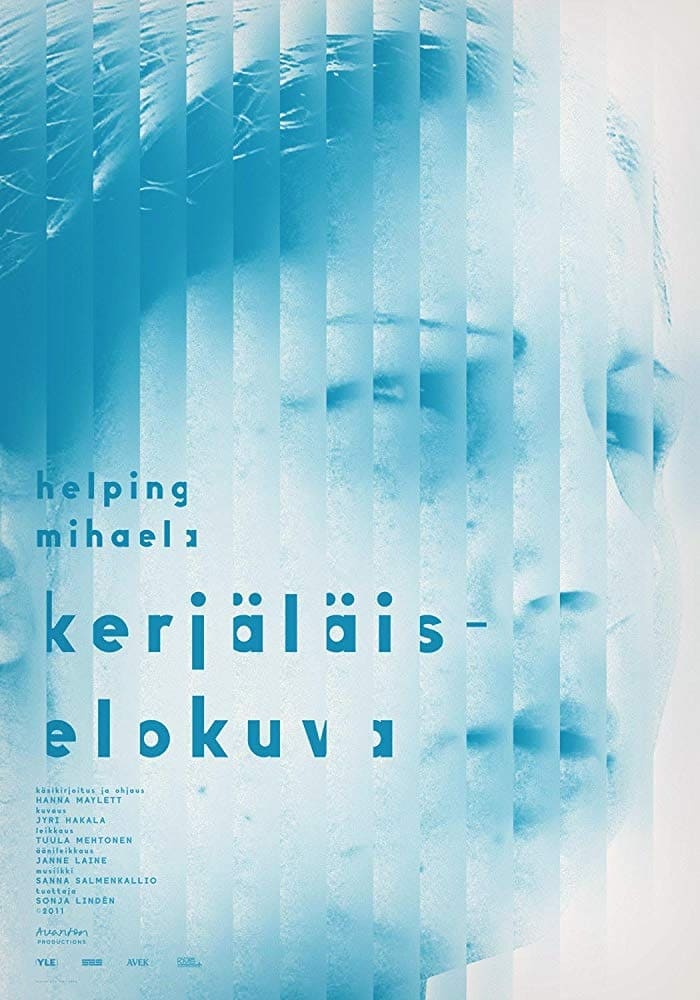
Helping Mihaela
Documentary
Overview
A Roma beggar on his knees raises many extreme emotions: guilt, rage, sympathy and frustration. Most people just walk on by, but there is always someone willing to help. In this film, the director follows the confrontations between the Roma beggars from Romania and Finnish people, and is forced to question, over and over again, her own ideas about helping.
Top Cast





Hanna Maylett
Hanna Maylett
Narrator (voice)
Hanna Maylett
Narrator (voice)
Mihaela Stoica
Mihaela Stoica
Self
Mihaela Stoica
Self
Pirjo Hongisto
Pirjo Hongisto
Self
Pirjo Hongisto
Self
Virginia Moldovan
Virginia Moldovan
Self - Mihaela Stoica's Grandmother
Virginia Moldovan
Self - Mihaela Stoica's Grandmother
Zobar Moldovan
Zobar Moldovan
Self - Virginia Moldovan's Nephew
Zobar Moldovan
Self - Virginia Moldovan's Nephew
Marjatta Vesalainen
Marjatta Vesalainen
Self - Bachelor of Social Services
Marjatta Vesalainen
Self - Bachelor of Social Services
Similar Movies
The concept of machine-made knit was known as early as the 1850s, but it was only during the 1920s that the quality of the material had improved. When the plant known as "Atlas" was introduced in 1931, the shop windows drew a lot of attention, and Aho & Soldan was ordered to make a promotional film. In this well-paced film, we see the jersey production step by step.
Procreation is the social duty of all fertile women, was the political thinking during the 1960s and 1970s in Romania. In 1966, Ceaucescu issued Decree 770, in which he forbade abortion for all women unless they were over forty or were already taking care of four children. All forms of contraception were totally banned. The New Romanian Man was born. By 1969, the country had a million babies more than the previous average. Romanian society was rapidly changing. By using very interesting archival footage and excerpts from old fiction films and by interviewing famous personalities from that time – gynecologists or mothers who were part of the new society - the director revives this period of tremendous oppression of personal freedom. Many deaths were caused by the mere fact that women, including wives of secret Romanian agents, famous TV presenters, and actresses, had to undergo illegal abortions. Many women were jailed for having them.
Otherness in otherness. What does it mean to be different in a community that is itself excluded from society? The documentary follows the fate of Roma who have become a minority in a minority society. Roma gays and transvestite search for their living space and dream of working abroad. A legless father of five longs for a wheelchair. A Roma grandmother sacrifices her life for the health of her beloved grandson. Will Emil, a Roma man who has found faith in God, be able to save his son from alcohol? Four stories from the poorest Roma settlements in Slovakia aim to break down prejudices between the Roma community and the white majority.
Muzafer Bislim comes up with some of his most insightful songs while sitting on the floor, recording lyrics into a cassette recorder bought at a flea market. A poet and songwriter who collaborates with the biggest names in Romani music, the 54-year old lives a life of modest means with his family in Shutka, Macedonia. Stored in the corner of his one-room house is a tottering, ceiling-high stack of handwritten, 25,000-word, multi-dialect dictionary of the oldest and most obscure words in the Romani language, which he has painstakingly collected over 35 years. When he's invited to the International Biennial of Poets held in Paris, he sees the trip as an opportunity to have his dictionary published. A testament to the endurance of a people who have been scattered across Europe, the dictionary is not only a work of art but also a rare link to a divided past.
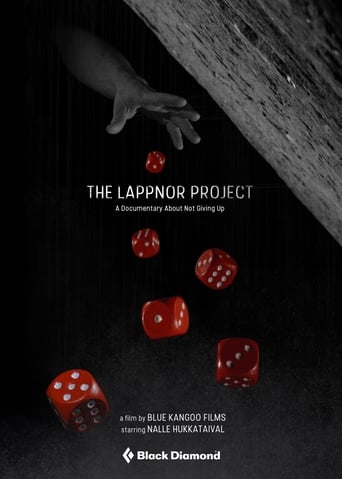
In the Finnish forests was an unclimbed route called the Lappnor project. It was considered to be the hardest climbing route in the world and perhaps impossible for a human. Nalle Hukkataival, a strong Finnish climber took up the challenge. It required almost four years of total commitment and his efforts were followed by hundreds of thousands of climbers around the world. When Nalle finally succeeded, it blew away the whole climbing world like nothing before. The first 9A boulder was climbed! The documentary follows Nalle's journey from the very beginning, all the way to the first ascent almost half a decade later. It captures the incredible dedication that was needed to deal with all the variables and to take that last step to open the next level of climbing.
The film is a controversy on democracy. Is our society really democratic? Can everyone be part of it? Or is the act of being part in democracy dependent to the access on technology, progression or any resources of information, as philosophers like Paul Virilio or Jean Baudrillard already claimed?
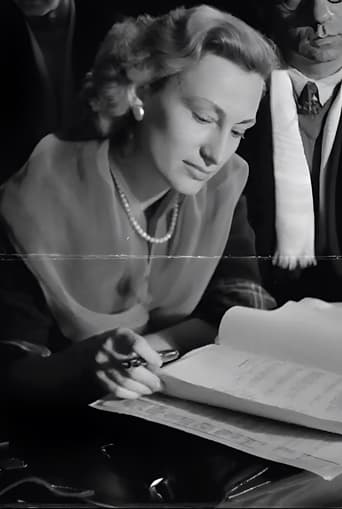
Made on the occasion of March 8, it presents a series of brief portraits of women, from various professional fields, of different ages and even of different ethnicities, pointing out the benefits that the communist organization had brought to their daily lives. A special emphasis is placed on their status as mothers and on the role of nurseries and socialist kindergartens not only in making their lives easier, but also in giving them the time they need to build a career. Another concern of the filmmaker, starting from the concrete case of one of the protagonists, is to highlight the differences between the happy present and the not-too-distant past in which someone with her social status should have dedicated herself exclusively to raising children, in hygienic and extremely difficult lives.