

Dáma v čiernom
Documentary


No cast information.
Similar Movies
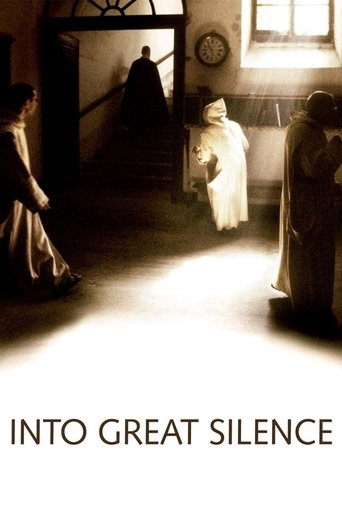
An intimate portrayal of the everyday lives of Carthusian monks of the Grande Chartreuse, high in the French Alps (Chartreuse Mountains). The idea for the film was proposed to the monks in 1984, but the Carthusians said they wanted time to think about it. The Carthusians finally contacted Gröning 16 years later to say they were now willing to permit Gröning to shoot the movie, if he was still interested.
The Sisters of Perpetual Indulgence are an order of gay male 'nuns', founded in San Francisco in the late 1970s with a goal to "expiate all stigmatic guilt and promulgate universal joy". There are now thousands of nuns all over the world including 30 in Britain, some of whom we meet in Tom Stephan's short documentary, which follows the Sisters' work as active campaigners in the LGBT community.
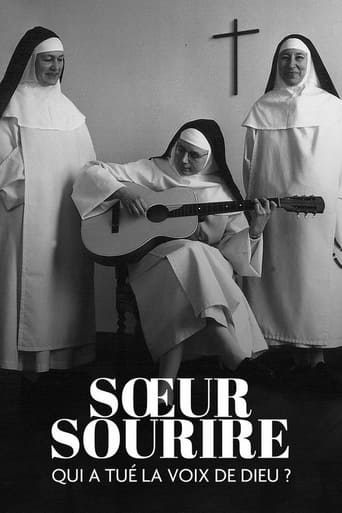
1962. A crystalline voice becomes a planetary tube. A Belgian nun jostles Elvis and the Beatles on the world charts. Her name: Sister Smile. A popstar with the trajectory of a comet who understands her success no more than the double meaning of her words… The harder the fall will be. Even God does not protect sharks' appetites or pretenses of success! Who killed the little voice of God? Here is the tragic story of an innocent voice, of an extraordinary fate, almost of a curse ...
We often have ideas of religious life... either kneeling in a convent or out in the streets assisting the poor. While both of these scenes are essential to the life as a sister, Light of Love takes a deeper look into understanding the call... the "why" of religious life. By interviewing five sisters from five orders across the United States, the film places viewers face to face in intimate conversations with these amazing women. What does it mean to be called? What are the struggles of religious life? How have you seen God move through your ministry? These questions and others are addressed throughout the film. The film itself is very simple: 60 minutes designed for viewers to quiet their surroundings and enter into convent, the food pantry, the hospital, and the chapel. With minimal music and simple visuals, Light of Love gives viewers a look into the lives, suffering, and joys of religious life captured in a way like never before.
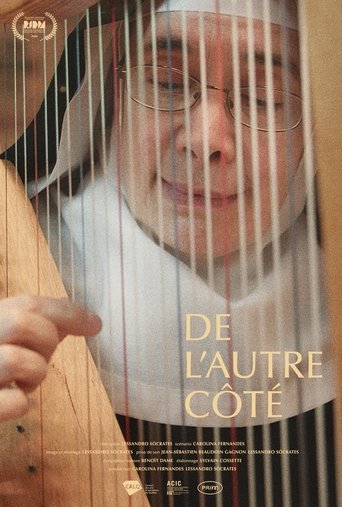
The oldest Quebecois Benedictine convent open its gates to a documentary filmmaker for the first time. Observed up close, life behind its walls is busier than one would expect. About twenty cloistered nuns, most of them over 70, share their daily life with diligence and humor. A contemplative portrait of a community of sisterhood and solidarity emerges, punctuated by prayer, work and games evenings.
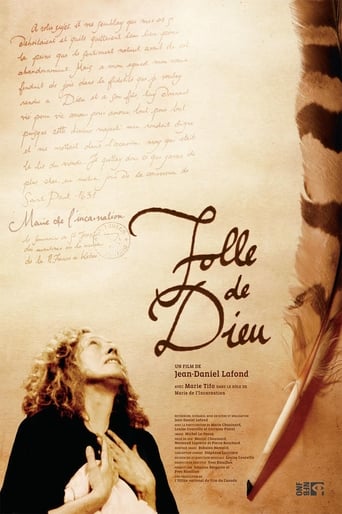
This feature-length film tells the story of the passion between Marie de l’Incarnation, a mid-seventeenth-century nun and God, her "divine spouse." Fusing documentary and acting by Marie Tifo, whom we follow as she rehearses for this demanding role, the film paints an astonishing portrait of this mystic who abandoned her son and left France to build a convent in Canada, where she became the first female writer in New France.
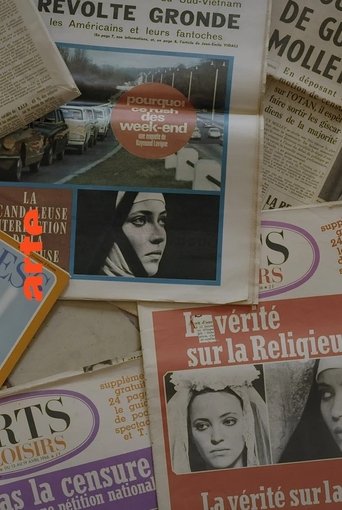
Released in 1796 posthumously, The Nun, a novel that Diderot did not dream of publishing during his lifetime, as he knew it to be revolutionary, caused the same explosion in the 19th century France as in that of the 1960s, when Jacques Rivette decided to adapt it, with Anna Karina in the title role. “This film is banned and it will remain so!” said the General de Gaulle. Exploration of an indictment of incredible modernity which, through the tragedy of the young Suzanne, locked up in the convent against her will, denounces the inequity of a society denying women all moral, political and sexual freedom.

A Mondo documentary focused on the 1960's American lifestyle, consumerism, religion, adversity, and oddity. An outsider's look at a country afflicted by episodes of racism and neo -Nazism. Scenes of a Ghost Town, LSD in NYC, Sunset Strip Los Angeles California, Amish, Klu Klux Klan, African-American Fashion Show, etc.

The movie recalls children who suffered mental and physical harm both during the last century, particularly in religious orphanages, and during the time of early modernperiod witch-hunts. It shows that the mindsets and behavioural patterns of both time periods are more alike than one might think.