

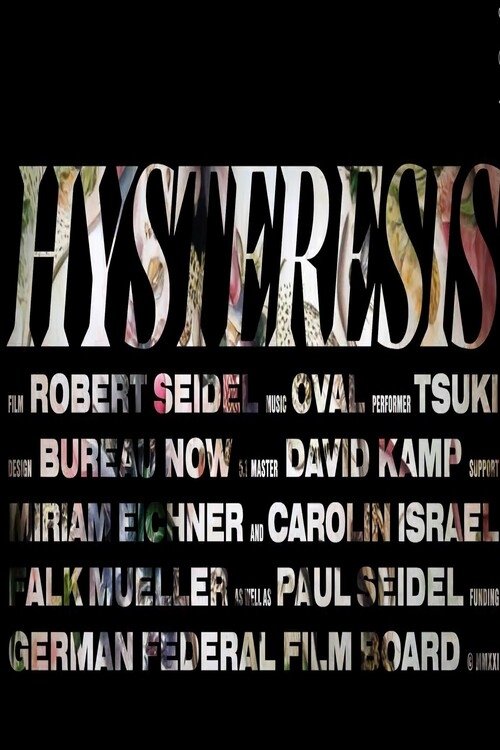
Hysteresis
Animation
Overview
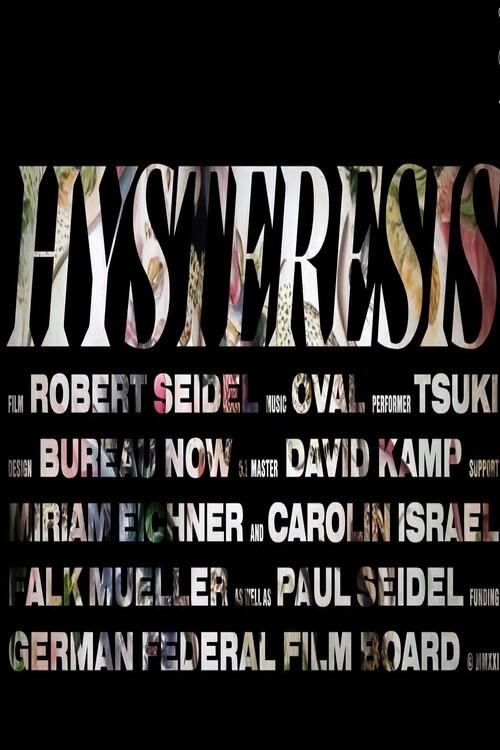
The term hysteresis soberly describes a processual behaviour where the previous history affects the result as much as new changes. Robert Seidel enters analogue drawings, performance footage of the queer dancer Tsuki and pluck sounds and drones by Oval into a feedback system that reorganises time and movement in a multicoloured and sensual organic tableau.
No cast information.
Similar Movies
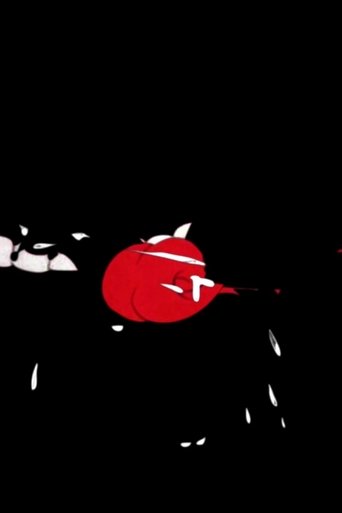
American cartoons are the starting point for Martin Arnold's new work. Sequences of short films form the basis of a process of fragmentation, deconstruction, dismantling and repetition. Arnold uses fun, family entertainment to create films with open-ended possibilities for association. His pieces, such as Hydra (2013), Charon (2013), Nix (2013) and Self Control (2011), feature characters whose anatomy is no longer recognizable as such, but rather resemble puppets, remotely controlled from the outside. Trembling hands, dancing tongues, blinking eyes and snoring mouths move like ghosts against an abyss-like deep black background, in which bodily elements constantly disappear, only to reappear once more.
This is a didactic film in disguise. A progression of brilliant geometric shapes bombard the screen to the insistent beat of drums. The filmmaker programmed a computer to coordinate a highly complex operation involving an electronic beam of light, colour filters and a camera. This animation film, without words, is designed to expose the power of the cinematic medium, and to illustrate the abstract nature of time.
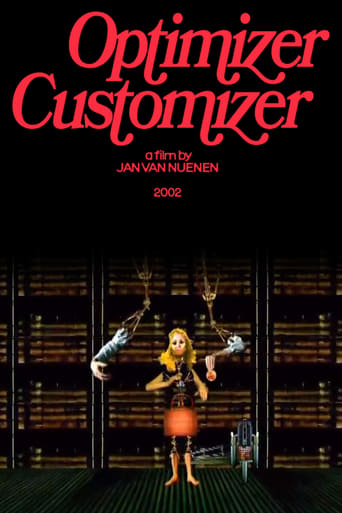
A feminine machine, stuffed with modern nano-technology and useless operations is depicted in this mixed-media 2D animation short, highlighting the consequences of consumerism and the downfall of civilized society. The machine reminiscent of a two-dimensional video game, leads to a destructive chain reaction after a strange malfunction, with people turning into clones and robots.
"In an effort to explore the flexibility of Telidon, Canada's videotex system, Pierre Moretti, animation artist from the National Film Board, used, in the graphic mode, the geometric figures which form the basis for Telidon's picture description instructions. Thus he created this short animated film."
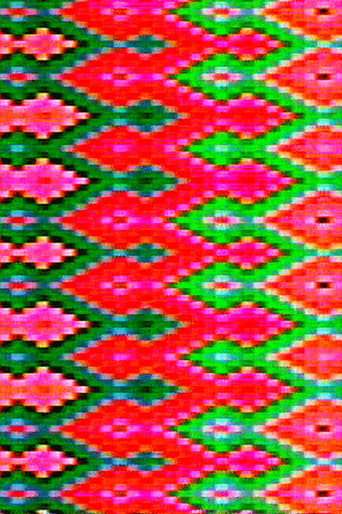
Video Weavings is a link between the modern (video) and the ancient (weaving) technologies. Video Weavings are based on poetic mathematical rhymes, or algorithms, visualized in real time on the warp and weft of video's horizontal and vertical scanning electron beams, color phosphors, plasma cells, and LCD pixels.
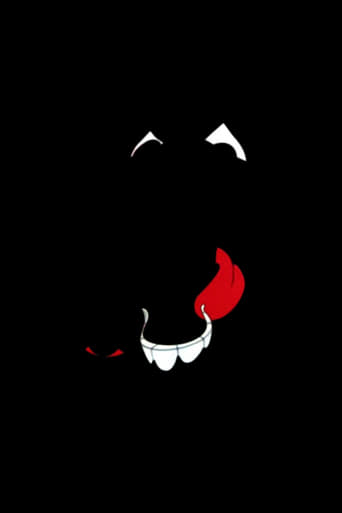
American cartoons are the starting point for Martin Arnold's new work. Sequences of short films form the basis of a process of fragmentation, deconstruction, dismantling and repetition. Arnold uses fun, family entertainment to create films with open-ended possibilities for association. His pieces, such as Hydra (2013), Charon (2013), Nix (2013) and Self Control (2011), feature characters whose anatomy is no longer recognizable as such, but rather resemble puppets, remotely controlled from the outside. Trembling hands, dancing tongues, blinking eyes and snoring mouths move like ghosts against an abyss-like deep black background, in which bodily elements constantly disappear, only to reappear once more.